
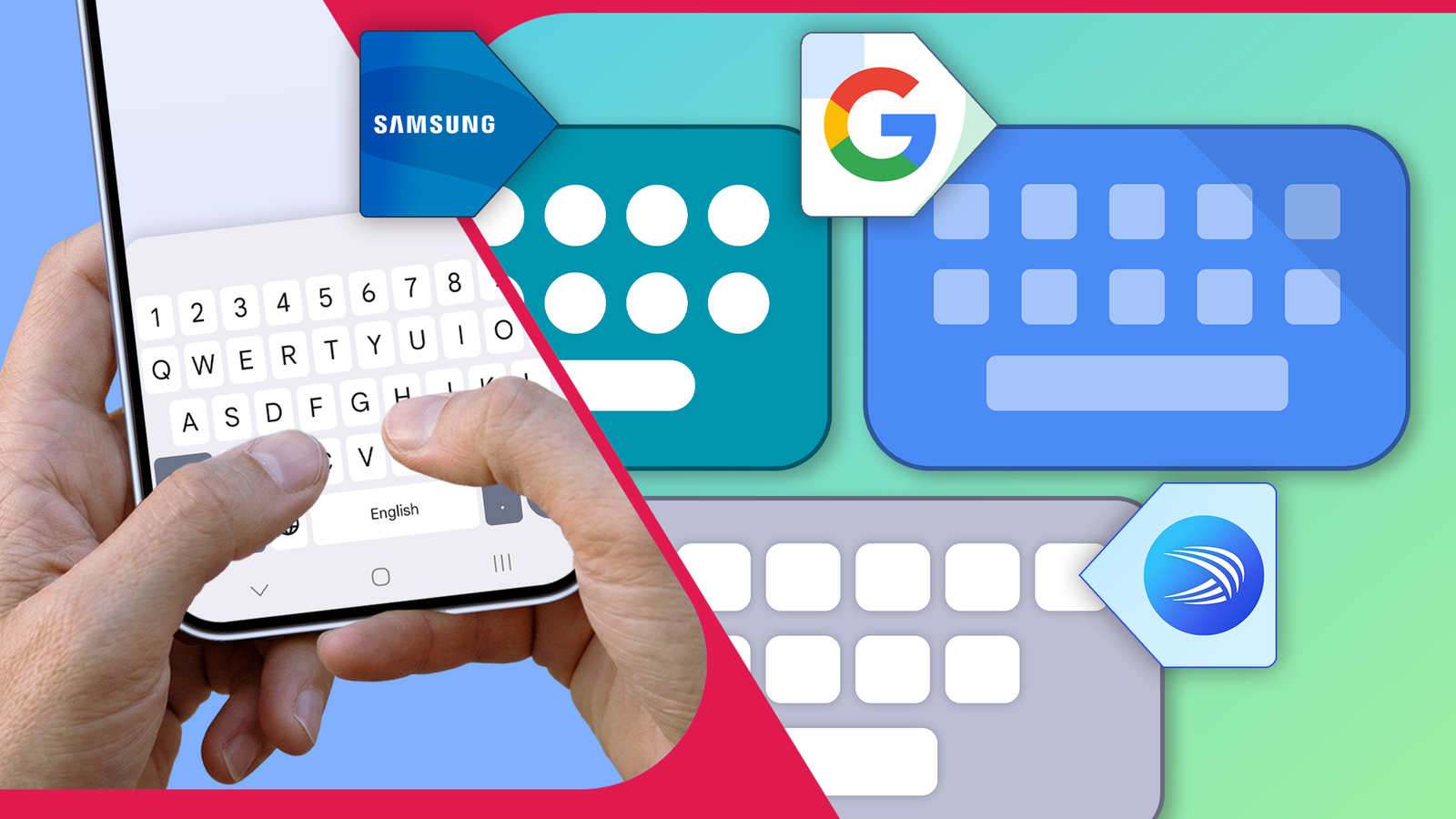
Published Sep 3, 2026, 11:15 AM EDT Parth is a technology analyst and writer specializing in the comprehensive review and feature exploration of the Android ecosystem. His work focus on productivity apps and flagship devices, particularly Google Pixel and Samsung mobile hardware and software. He provides expert guidance on productivity software, system optimization, and the advanced functionalities that allow users to maximize their device's potential. His analyses are crucial resources for readers seeking to master complex operating system features and streamline their digital workflows. When he is not busy with technical analysis and software evaluation, Parth dedicates his time to watching K-dramas, studying mobile technology trends and the role of artificial intelligence. When it comes to Android keyboards, most of us settle for whatever ships out of the box or install a third-party one out of habit. To find out which option actually delivers the best typing experience, I spent a full month putting Gboard, Microsoft SwiftKey, and Samsung Keyboard through their paces across emails, X threads, and casual chats. While all three cover the basics, the gap in everyday reliability was impossible to ignore, and one option clearly took the crown. Samsung Keyboard Silky visual polish, sluggish AI tricks Samsung Keyboard quickly proved that it's one of the smoothest, most fluid input experiences on Android right now. The UI polish is noticeable. Pay attention to that subtle, buttery-smooth animation gliding across the top row whenever the next-word suggestions arrive. Beyond standard typing, Samsung's built-in Galaxy AI toolset seemed promising at first. Tools like Writing Assist are neat, but after a couple of weeks, the novelty wore off. Sometimes it takes too long to fix grammar or suggest a new sentence, and I found myself going back to Gemini for those tasks. When you are firing off rapid replies, a multi-tap AI workflow affects the natural flow of typing. If you strictly type in formal English, it handles itself fine, but it is a total hit-and-miss when juggling mixed languages like Hinglish and Gujlish. It struggled to catch regional slang, mixed-script phrases, or localized spellings, forcing me to backtrack and manually edit more than I would like. On the lighter side, features like Creative Studio, where you can type a quick prompt or combine emojis to spin up custom stickers on the fly, are a fun party trick during casual chats. The native Samsung Pass integration is well thought out, too. However, in my case, I didn't use it much since it's not a cross-platform solution. It's one of the features that SwiftKey and Gboard should copy into their keyboards in the future. Overall, Samsung Keyboard gets the visual aesthetics and native integration right, but its uneven multi-language smarts and slow AI keep it from running away with the crown. Microsoft SwiftKey Telepathic typing engine, hopelessly dated look When it comes down to pure typing performance, Microsoft SwiftKey easily delivers the best experience among the three. It nails the fundamentals of what a mobile keyboard should do. The next-word prediction engine feels almost telepathic after a few days of learning my habits, and its swipe-to-type accuracy is in a league of its own. Even when I haphazardly dragged my thumb across the glass, it consistently caught the exact words I intended to write and required fewer backspaces than either Gboard or Samsung Keyboard. I also appreciate the built-in Incognito mode. It lets me jump into private browsing or sensitive typing without saving those words. The sticker library is another neat touch for casual messaging, and Microsoft's integration of Copilot-powered AI tools feels far more practical and easy to use than Samsung's Galaxy AI. Instead of feeling clunky and buried under multiple taps, the AI tone adjustments and quick rewriting tools are snappy, responsive, and mix naturally into the typing flow. However, SwiftKey's biggest con is impossible to ignore the moment it pops up on my screen: it is the worst-looking keyboard of the bunch. The theme store feels trapped in the mid-2010s. The default designs, fonts, and styling look dated, clunky, and out of place on modern Android. Another issue is clipboard sync between Android and Windows. It's a hit-and-miss solution. If it weren't for the dated aesthetic and cloud sync hiccups, SwiftKey would have walked away with the victory here. Google Gboard Material You beauty meets voice perfection Gboard is easily the best-looking keyboard on Android, period. Google's Material You theming integrates seamlessly with the rest of the OS. The layout is clean, the spacing feels natural, and the visual polish puts SwiftKey's outdated themes to shame. For everyday performance, the typing experience is right up there with SwiftKey. But where Gboard truly pulls away from the competition is its voice typing. It is shockingly accurate and even understands my Indian English without breaking a sweat. Gboard doesn't try to wow you with a suite of AI tools, and that's precisely why it worked so well. Google focuses entirely on nailing the core fundamentals: unmatched responsiveness, aesthetics, and reliable typing. However, I would love to see Gboard copy Samsung's password manager trick in the future. Gboard can integrate Google Password Manager for flawless authentication. Aside from that small wishlist item, Gboard strikes the ideal balance between performance and looks, and that makes it the winner among the three. Only one nailed my daily workflow After a month of constant switching, the verdict is clear. Samsung Keyboard offers slick One UI animations and fun party tricks, but lags with multilingual predictions. SwiftKey still wins on next-word smarts, but its dated interface and spotty clipboard sync hold it back. That leaves Gboard as the clear winner. If you are new to Gboard, check out this hidden setting to unlock its true potential.
I used Gboard, SwiftKey, and Samsung Keyboard for a month; one clearly dominated
Full Article
Original Source
Read the full article at Androidpolice →KhanList aggregates and links to publicly available news content. We do not host full articles from third-party sources. Always verify important information with original sources.