
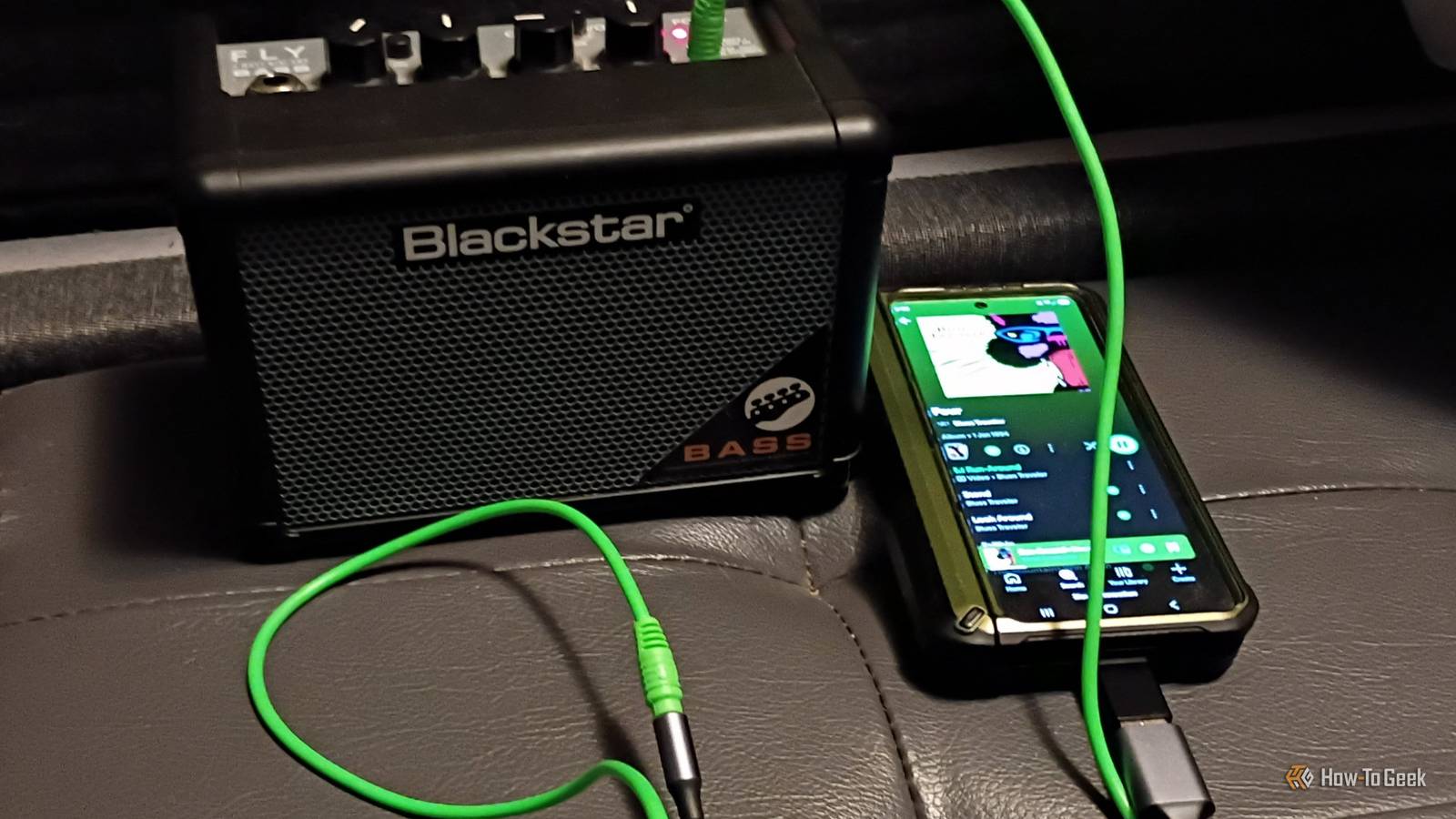
Published Oct 31, 2026, 9:00 AM EDT Former radio and TV guy (I Heart Radio and PBS). Now a writer, researcher, and musician who writes about the absurdity of our modern world and other offbeat topics. Specializes in weird music, the old web, retro video games and tech, and researching strange, yet interesting things. His work has appeared in Vice, Tedium, Star Trek.com, Today I Found Out, Typebar, SyFy Wire, and How To Geek. Currently working on a variety of music, web, and writing projects. Visit him on the web at https://djbuckfreelance.neocities.org/. Several years ago, I was really into playing the bass. The playing styles of Les Claypool, Geddy Lee, Arthur Barrow, and Victor Wooten inspired the heck out of me. So I bought a few basses and a couple of amps. One amp in particular, a Blackstar 3W practice amp, ended up being one of my most used amplifiers (with both bass and guitar). Last year, the input jack stopped working entirely, and I thought the device was completely dead. I turned out to be wrong about that, so I repurposed it into something new. The best amp I've ever owned was a practice amp And I'm delighted to give it new life Sometimes you come across a piece of equipment you just love. I've had the same Leatherman for over 15 years. The same acoustic guitar for 20. The same Nintendo 3DS XL (albeit modded) since it came out. And my NES goes all the way back to my childhood. The Blackstar 3W bass amp (it's called the Fly 3) is one of the finest pieces of practice equipment I've ever owned. I've run bass, harmonica, acoustic, and electric guitars through it. And it sounded phenomenal every time. The amp had clean settings, overdrive, built-in EQ, a compressor, and just worked well. It was also around $60 when I bought it. The input jack stopped working a while ago. I've used headphones with the practice amp in the past, but they just didn't sound as good to my ears as I thought they should. When I ended up getting a USB-C-to-USB adapter, however, I realized I could repurpose the amp into a dedicated speaker. I could use my phone and, with a few accessories, (hopefully) take the sound to the next level. Getting the speaker ready The groundwork involves a few accessories When I decided to repurpose my broken amp into a speaker, I had a few options. I simply could have plugged an auxiliary cable from one end of a phone, Discman, Philips Go Gear, or CD player and gotten some audio output. But it kind of sounds like listening to a concert through a glass held up to a wall. It kind of sucks. Remember that USB-C to USB adapter I mentioned? I've been experimenting with connecting various USB things to Android devices. So I figured getting a cheap USB DAC with a headphone output would sound pretty good when connected to my phone. My instinct was right on that, because it made a world of difference. The DAC (digital-to-analog converter) I used for this repurposed device doesn't seem like much on the surface, but it's shockingly good. I bought an inexpensive (I think it was less than $9) USB-to-3.5 mm Jack Audio Adapter with a built-in DAC. Now, the DAC is only a 24-bit, 96kHz DAC. The speaker/headphone jack supports high-quality audio, but, weirdly enough, a microphone input doesn't. It made no difference to my project either way. 24/96 is more than good enough quality for some casual listening, considering a common standard for high-resolution audio. I tried out a few different services: Spotify for streaming in high-quality, a few FLAC and MP3 files I was storing locally. Making sure it would work properly Taking impedance into consideration I should also note that this DAC works with standard headphones, but doesn't support high-impedance headphones. So how does that affect using it as a line-in for the amp? It doesn't. The line-in jack is low impedance, so it isn't an issue. I mean, it's a line-in jack. I tied everything together by setting up my equalizer settings. EQ can be highly subjective, but in VLC media player, I tested it with the "rock" setting. It sounded good to my ears. I also tested streaming on Spotify using my custom V-shaped EQ settings and got pretty strong results. Those results didn't extend very well to audiobooks or spoken-word comedy. I listened to a Jim Gaffigan album, and it sounded a bit off. One of my audiobooks via Audible sounded okay (it was a Ken Jennings book), but not nearly as good as the music. So, I'll absolutely use this speaker for listening to my tunes. But for books, podcasts, and comedy albums, I'll continue to listen with headphones. A powerful speaker in a small package It didn't cost much and only took a few minutes, but I now have a wired speaker that, honestly, sounds better than half of the speakers I've ever owned. Obviously, it has some limitations. But for a small space like my office? It's killer. The coolest thing about this project is that, technically, I can expand it by grabbing the stereo add-on for the Fly 3 (it's called the "Fly 3 Extension Cab"), which will take it up to 6W. You can't beat that for a tiny amp/speaker. I think I'm going to it. And perhaps I'll buy another amp as well.
I turned a broken practice amp into a killer speaker with my phone and a $10 DAC
Full Article
Original Source
Read the full article at Howtogeek →KhanList aggregates and links to publicly available news content. We do not host full articles from third-party sources. Always verify important information with original sources.