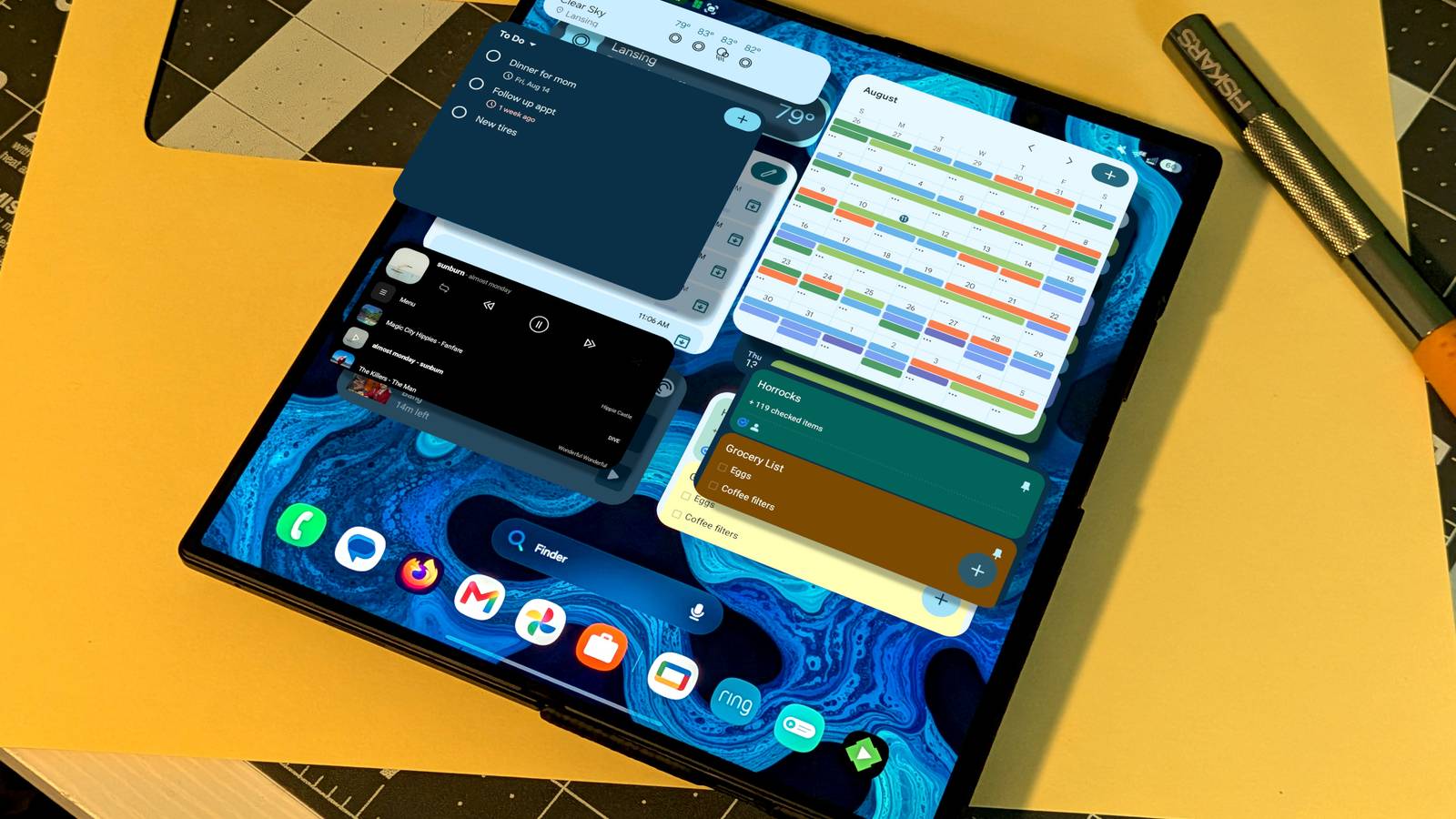
Published Aug 13, 2026, 8:00 AM EDT Joe Fedewa has been writing about technology for over a decade. Android and the rest of the Google ecosystem have been a focus for years, as well as reviewing devices, hosting podcasts, filming videos, and writing tutorials. Joe loves all things technology and is also an avid DIYer and food blogger. He has written thousands of articles, hundreds of tutorials, and dozens of reviews. Before joining How-To Geek, Joe worked at XDA-Developers as Managing Editor and covered news from the Google ecosystem. He got his start in the industry covering Windows Phone on a small blog, and later moved to Phandroid where he covered Android news, reviewed devices, wrote tutorials, created YouTube videos, and hosted a podcast. From smartphones to Bluetooth earbuds to Z-Wave switches, Joe is interested in all kinds of technology. After several years of jailbreaking and heavily modifying an iPod Touch, he moved on to his first smartphone, the HTC DROID Eris. He's been hooked ever since. Widgets have been a core part of the Android experience for nearly two decades, but I must admit I’ve never fully taken advantage of them. At most, I usually have a couple of widgets on my home screen, but that’s it. I decided to finally and truly use Android widgets to their full potential. Prior to this experiment, I typically would only have a weather widget or to-do list app on my main home screen panel, then maybe a calendar widget on a second panel. Not much. However, I realized most of the apps I use on a daily basis have widgets, which means I’m probably opening them a lot more than I need to. Not enough room for activities Credit: Justin Duino / How-To Geek First, I want to talk about why, as much as I appreciate Android widgets, I’ve never really used them super often. For me, it comes down to the limiting factor of screen real estate. I only have so much room on my home screen, and the most useful widgets are big widgets. Let’s say a typical Android home screen panel has a 4x6 grid. The most common sizes of widgets are 4x1, 4x2, and 2x2. At most, I can fit six of the smaller widgets, but only three if I’m using big widgets. Alternatively, that same area holds 24 app icons and folders. Personally, I don’t like to have a bunch of home screens to scroll through, so it’s hard to justify dedicating all that space to only a few apps. Thankfully, I recently discovered a handy feature on my new Samsung Galaxy phone that solves this problem. Quietly copying a good iPhone feature I’ve been using the new Galaxy Z Fold 8 Ultra for a review, and I decided to take a break from my custom webOS home screen launcher. While setting up the One UI launcher, I was resizing one of the few widgets I use, and I noticed an option to “Create stack.” Interesting. As you probably guessed, this feature allows you to put multiple widgets in the same spot. It’s essentially Samsung’s take on the iPhone’s “widget stacks” feature. Other than tiny pagination dots that appear when you swipe between home screen panels, there’s no visual indicator that multiple widgets are “stacked.” It’s subtle, but powerful. If you don’t have a Samsung phone, but you’re interested in stacking widgets, there are a few third-party launchers to check out. Action Launcher and Octopi Launcher include the feature for free, while Smart Launcher 6 has it under a Premium subscription. To create a stack, you first add a widget to the home screen like you normally would. Next, resize it to the size that you want the stack to be—don’t skip this. Now, long-press the widget and select “Create stack” from the menu. You’re limited to only widgets that can fit in the size of the original limit; that’s why it’s important to resize it first. Select a widget and tap “Add.” Easy peasy. Each stack can hold up to seven widgets. Long-press the stack and tap "Edit stack" to add or remove widgets. You can scroll through them in an infinite horizontal carousel, and the home screen remembers which widget you left on “top.” Windows instead of doors Everyone uses their phone differently, but I’ll share how I’ve been using widget stacks on mine. First, I simply thought about the apps that I open most often. This sounds pretty obvious, but I genuinely was not using widgets for most of these apps. Case in point: the Gmail widget—it has never been on my home screen. Next is where the stacking comes in. I grouped similar widgets into stacks, sometimes with multiple widgets from the same app. For example, I have the Google Calendar “Schedule” and “Month View” widgets in the same stack. I also have a stack for Pocket Casts and my music player, one for Gmail and Google Tasks, one for various weather widgets, and one for multiple Google Keep lists. I didn’t realize how much I was avoiding widgets simply because I couldn’t make a decision on which ones to use. Google Keep is a perfect illustration of that. It has widgets for single lists and a “Note Collection” widget that allows you to scroll through all of them. However, you can only interact with the single list widgets from the home screen—tapping a list in the collection widget opens the full app. The widget stack allows me to get the best of both worlds. My home screen is now full of windows into my favorite apps, rather than doors I have to open first. And I’m not spreading widgets across several home screen panels, then having to remember which one is where. They’re all compact and neatly organized. It feels good. Samsung Galaxy Z Fold 8 Display Dynamic AMOLED 2X RAM 12GB
I tried widget-maxxing my Android home screen, and it's surprisingly useful
Full Article
Original Source
Read the full article at Howtogeek →KhanList aggregates and links to publicly available news content. We do not host full articles from third-party sources. Always verify important information with original sources.