
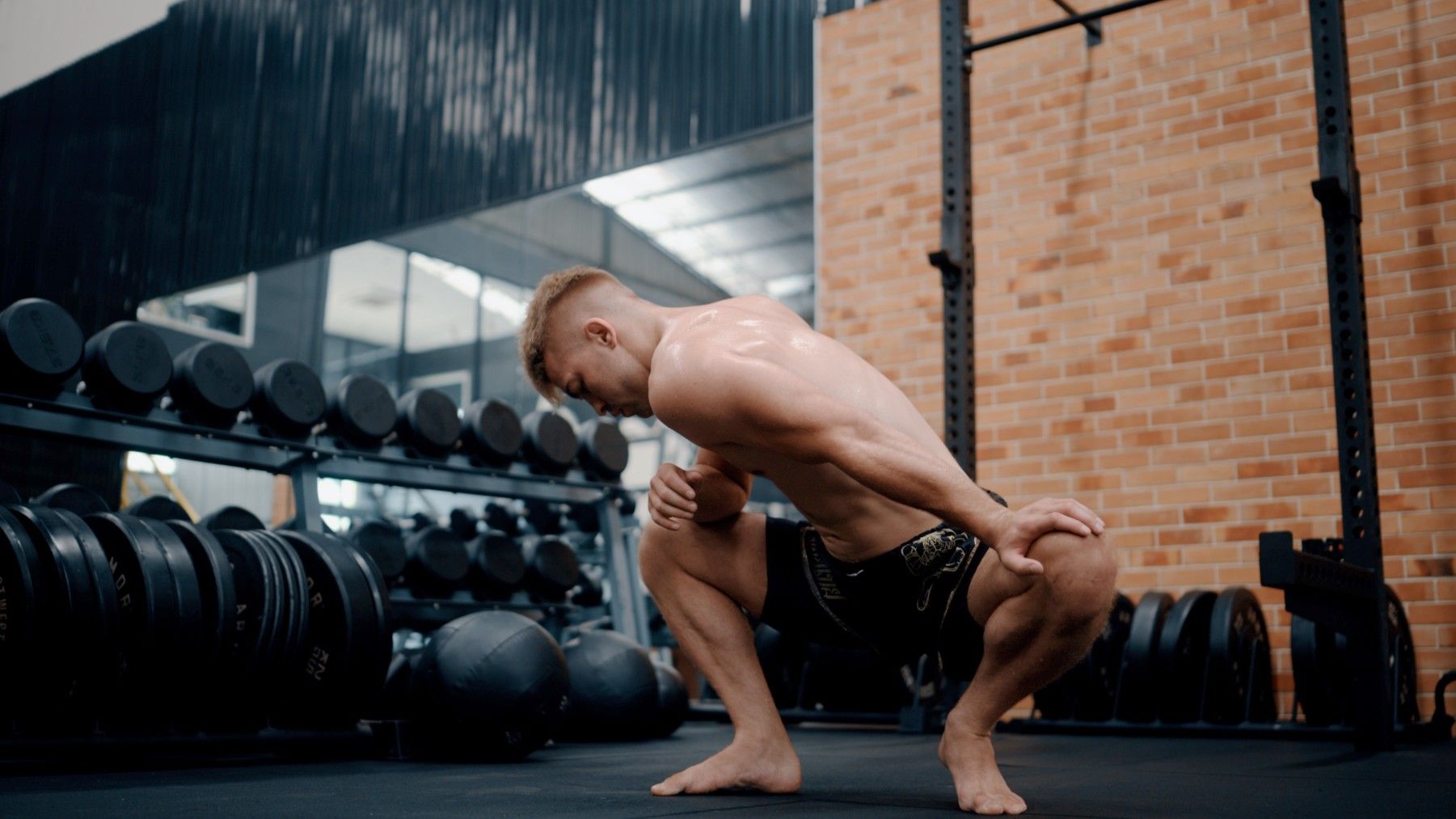
(Image credit: Getty Images) As a trainer and fitness editor, I like experimenting in the gym, and what better way to do that than trying out some trending TikTok fitness challenges? I'm a bit of a mobility nerd, so I wanted to focus on the current viral mobility challenges I'm seeing everywhere right now.There are five I want to share with you, but I really recommend two of them if you have limited mobility or particularly tight hips. I decided to use one of the best yoga mats and nothing else, which makes these mobility tests accessible for most people.Ready? Me too; let's get stuck in.Watch: 5 TikTok mobility drills for tight hips and anklesMobility and flexibility are becoming increasingly popular within fitness routines, so how well do you know yours? Your ability to stay agile, strong and mobile as you age can help prevent the natural decline in strength and muscle mass that occurs over time; this can impact overall mobility, joint health and balance, which are crucial for keeping you independent.I've noticed a lot of mobility challenges going viral on TikTok at the moment, so I've put together five of my favorites, and I focus on two in particular that I think are worth your time, especially if you have tight hips or ankles. Check them out below.If you experience pain at any time, stop and rest. If you're working with an injury or health condition, I recommend seeking advice before starting these exercises.Sit-up-to-stand: Lie on your back with your feet planted and knees bent, engage your core, then perform a sit-up without using your hands for support. As you sit upright, keep the momentum up as you drive forward through your feet and legs to a standing position, keeping your heels planted. Why? Core strength, leg power and ankle mobility.Stand-sit-stand: Stand with your feet shoulder-width apart, squat down, then lower your knees to the ground, close together, without using your hands. Extend one leg, then the other. Cross your legs by drawing your heels in, then roll into an upright kneeling position. Roll back onto your heels to the bottom of a squat position, then drive up to stand. Why? Functional lower-body strength and internal hip rotation.Shrimp squat: Lower into a half-kneeling position, then reach back and grip your back foot with one hand. Slightly lean forward, then push through your leg to stand. Why? Lower-body flexibility, single-leg strength and balance.Single-leg stand: Stand with your feet hip-width apart. Shift your weight into one leg, then come onto the ball of the other foot and bend the knee. Bend down, sending your hips back, then wrap your arms through and under the bent leg. With control, stand up with your leg still gripped with both arms. Release, then repeat on the other side. Why? Tests lower-body flexibility, single-leg balance, strength and hip mobility.Overhead wall squat: Face a wall with your toes close to the bottom of the wall and feet hip-width apart. Extend your arms overhead, then squat down, sending your hips back and pressing your weight through your feet. Lower as far as you can without your chest or arms touching the wall. Drive up to stand. Why? Tests thoracic mobility, upper-body tightness, poor squat mechanics and tight lower-body joints and hip flexors.Which exercises should you focus on?Of course, there's an element of personal preference, but the two mobility challenges I would focus on, from the perspective of a trainer, are the overhead wall squat and the sit-up-to-stand exercise, given their focus on core strength, functional strength and ankle and thoracic mobility.Get instant access to breaking news, the hottest reviews, great deals and helpful tips.The two mobility challenges I would focus on, from the perspective of a trainer, are the overhead wall squat and the sit-up-to-stand exercise, given their focus on core strength, functional strength and ankle and thoracic mobility.The sit-up-to-stand exercise is a great way to test your ability to use your core when getting off the ground, which is a very functional movement. If you can do this unaided, it's a great sign. Coupled with this is your ability to stand once you've sat up, testing lower-body strength and ankle mobility, which are both crucial as you get older for walking, climbing, running and general daily tasks.Next up, I would test the overhead squat while facing the wall. Many people assume their inability to perform an overhead squat well is down to shoulder mobility, but actually, much of overhead squat mechanics comes from thoracic mobility and upper-back tightness. That's as well as potential imbalances in the hips, knees, or ankles. It can be a combination of any of these factors, but testing your mobility will quickly help you assess which are relevant to you.Notice if your chest and arms fall forward; if your heels lift away from the ground; whether your knees cave in or track forward over your toes; if your back begins to round or hunch. Also note how low you can sit into the squat and whether you can press your weight evenly between your big and little toes and heels.I recommend testing these mobility challenges every few weeks while improving your mobility.Once you've identified whether you can do the challenges and which parts of each exercise you found most difficult (or impossible), the next focus is to build the strength, flexibility, or mobility required to get better at them.Try to move your joints through their range of motion in a variety of patterns, which is known as planes of motion, while loading muscles using any form of resistance, even if it's just your body weight. Keep your body moving in ways that feel natural to help improve functional strength and overall mobility.The more you move throughout the day, the better you can balance and stabilize; the more you load your bones and muscles, the stronger they get. This might include Pilates or yoga once or twice per week or adding in strength exercises like squats, step-ups, or lunges. I also recommend focusing on the fullest range of motion possible when you perform exercise.I've included some ideas below to get you started.Follow Tom's Guide fitness on Instagram for more workouts, routines, tips, and tricks. Follow Tom's Guide on Google News and add us as a preferred source to get our up-to-date news, analysis, and reviews in your feeds. Alternatively, you can read our content on the Tom's Guide app available now for iOS and Android. Subscribe to Tom's Guide on YouTube and follow us on TikTok. More from Tom's GuideI teach people how to be more mobile: 3 low-impact back and shoulder moves that build stability and strength after 40According to a personal trainer, this exercise is 100 times more effective than crunches. I tried it and was humbledI teach people over 50 to be mobile: 3 low-impact moves that build more stability than a 30-minute walk Sam Hopes is a level 3 qualified trainer, a level 2 Reiki practitioner and fitness editor at Tom's Guide. She is also currently undertaking her Yoga For Athletes training course. Sam has written for various fitness brands and websites over the years and has experience across brands at Future, such as Live Science, Fit&Well, Coach, and T3. Having coached at fitness studios like F45 and Virgin Active and taken on both 1:1 and group, Sam now primarily teaches outdoor bootcamps, bodyweight, and kettlebells. She also coaches mobility and flexibility classes several times a week. Sam has completed two mixed doubles Hyrox competitions in London and the Netherlands and finished her first doubles attempt in 1:11.
I tried 5 viral TikTok mobility drills for tight hips after sitting all day — these 2 are worth your time
Full Article
Original Source
Read the full article at Tomsguide →KhanList aggregates and links to publicly available news content. We do not host full articles from third-party sources. Always verify important information with original sources.