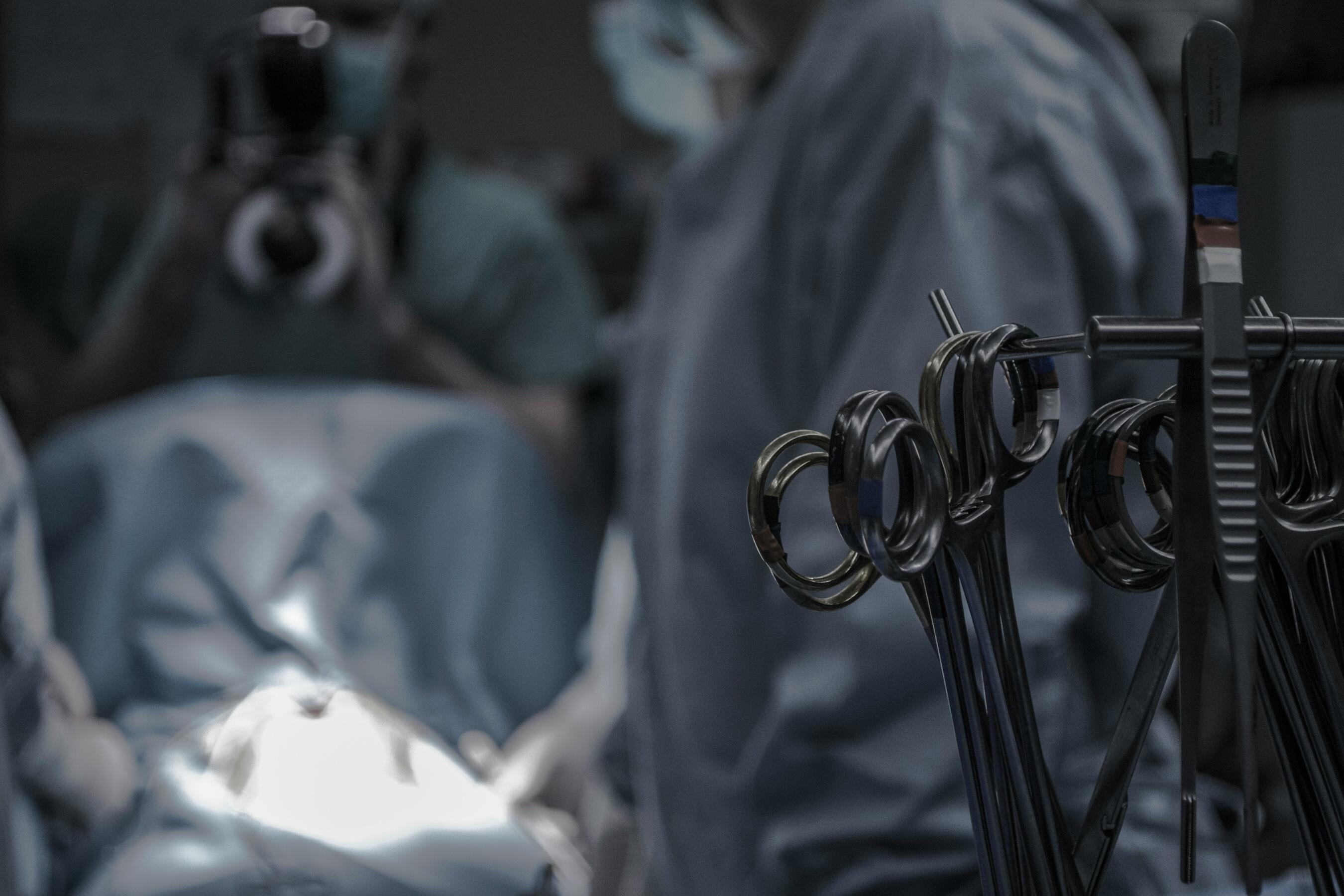
In this month’s "Dear Fodor's," we ask experts how to help a reader whose friend wants to get plastic surgery abroad.Dear Fodor’s, My best friend recently told me she’s looking into getting plastic surgery abroad. Apparently, it’s much cheaper in other countries, but the idea of her doing this makes me nervous! I’ll attempt to put aside judgments about whether she actually needs any of the procedures she’s contemplating (she doesn’t, in my opinion), but what if the surgeon botches it? What about the language barrier? What if something goes wrong medically during the operation or recovery? Should I try to persuade her not to move forward with this plan, or support her choice as best I can—it’s her body, after all. Although your letter is infused with genuine concern for your friend, I sense a judgmental undertone. You might want to explore it further before you attempt to dissuade her. With major plastic surgery like facelifts becoming commonplace among relatively young and preternaturally gorgeous celebrities, our expectations for our own beauty and aging have become increasingly distorted (New Yorker critic Jia Tolentino wrote eloquently about this topic in her recent story Our Plastic-Surgery Nightmare). The impact of exposure to surgically altered faces and bodies can be even more pronounced when they belong to somebody we know and love. Continue Reading Article After Our Video Recommended Fodor’s Video I might be way off base here, but is there a part of you that’s concerned about how your friend’s plastic surgery might change the way you feel about your own looks or perhaps even alter the dynamic between you? Would you be equally worried about her if she was seeking an affordable health-related procedure abroad rather than an aesthetic one? If any of these questions holds a kernel of truth, you might consider having an open conversation with your friend about how the beauty industry and how the cultural quest for eternal youth impact each of you. What qualities or actions underpin your self-worth, and does conforming to beauty standards via any means necessary really move the needle on self-esteem? This is a gentle way of encouraging your friend to examine her motivations while also confronting your own discomfort about her desire to dramatically change her appearance. If she’s still determined to move ahead with the surgery, your role is simply to support her in making smart, safe choices. It is, as you say, her body after all. The Risks of Getting Plastic Surgery AbroadThere’s an alarming amount of fakery online, including false reviews and misattributed before-and-after photos. The repercussions of making a bad decision based on these things can be risky, not to mention expensive—a 2023 study found that people who opted to get plastic surgery abroad experienced higher rates of complications like infections, which resulted in unexpected additional medical costs. “Unfortunately, there is very limited legal recourse if you get a botched plastic surgery procedure in another country,” says Dr. Robert Schwarcz, a double board-certified oculofacial plastic surgeon and facial aesthetics specialist based in New York City. “The language barrier and aesthetic cultural differences in a situation like this definitely create an added complication that may put you in a high-risk situation that compromises your legal recourse and, more importantly, your safety.”Dr. Schwarcz, who has personal experience fixing botched surgeries, adds that “health insurance companies in the U.S. generally don’t cover the costs of revising elective cosmetic surgeries or treating complications from procedures done overseas.” In other words, patients who went abroad to save money sometimes find themselves paying twice—once for the botched surgery and again to rectify it.How to Get Plastic Surgery Abroad SafelyIt might put your mind at rest to know that getting plastic surgery abroad isn’t inherently reckless; many countries have skilled surgeons and great hospitals. However, due diligence is critical. Before she signs any paperwork, encourage your friend to independently verify the surgeon’s qualifications and experience. According to Gemma Moreno, communications consultant for ISAPS (International Society of Aesthetic Plastic Surgery), “She should choose a board-certified plastic surgeon with extensive experience performing the specific procedure she’s considering and make sure the surgery will take place in a fully accredited hospital or surgical facility.”Communication is also incredibly important. “If there is a language barrier that prevents clear communication, informed consent and safe care become much more difficult,” says Moreno. “She should feel completely comfortable asking questions and receiving answers she fully understands.”And, of course, surgery doesn’t end once the procedure itself is over; aftercare often entails some follow-up appointments, monitoring for possible complications, and access to the operating surgeon if concerns arise. “Many complications, such as infection, wound healing problems, or blood clots, may not become apparent until days after surgery—sometimes after a patient has already flown home,” explains Moreno. Additionally, air travel itself can also increase certain risks—venous thromboembolism, for example, is something to watch out for after major procedures. “Patients should understand the recommended waiting period before flying and have a clear plan for follow-up care both abroad and once they return home,” Moreno says.If your friend has the money, she could hire Melinda A. Farina, a.k.a. The Beauty Broker, a plastic surgery matchmaker with a Rolodex of vetted doctors worldwide. Farina and her team will make suggestions based on the client’s budget and advocate for them throughout the entire process. Ultimately, while cost is inevitably going to be a factor (the celebrity procedure du jour, the deep plane facelift, costs between $25,000 – $30,000 in the U.S. and just $5,000 – $12,000 in Turkey), your friend’s safety should drive her decision. Just encourage her to properly research options—there’s no rush to book. And, hey, if you really want to be supportive, you could offer to go with her and make a trip of it.
I Think My Best Friend Is Nuts for Wanting Plastic Surgery Abroad. How Can I Stop Her?
Full Article
Original Source
Read the full article at Fodors →KhanList aggregates and links to publicly available news content. We do not host full articles from third-party sources. Always verify important information with original sources.