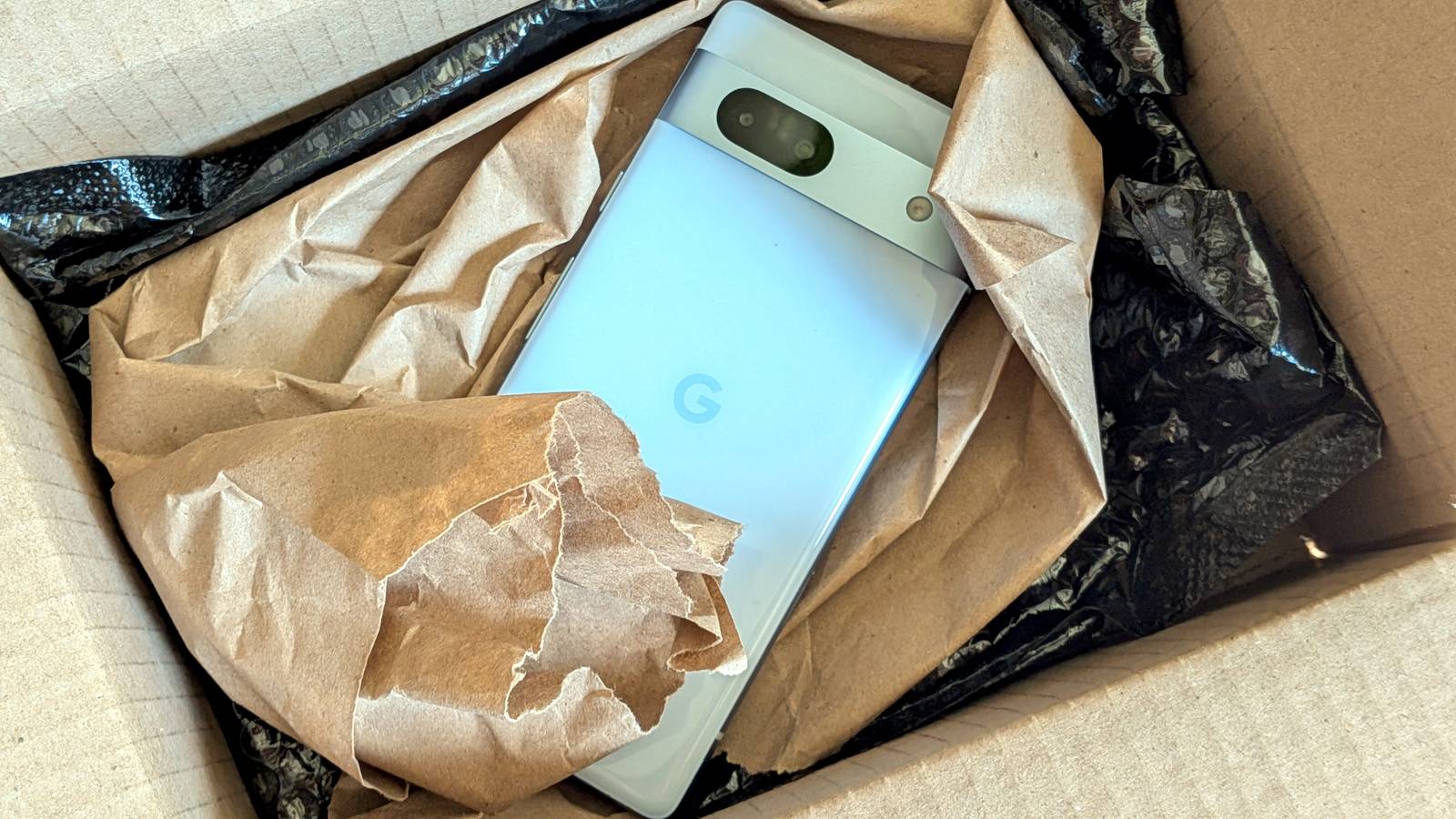
Published Jul 29, 2026, 2:30 PM EDT Joe Fedewa has been writing about technology for over a decade. Android and the rest of the Google ecosystem have been a focus for years, as well as reviewing devices, hosting podcasts, filming videos, and writing tutorials. Joe loves all things technology and is also an avid DIYer and food blogger. He has written thousands of articles, hundreds of tutorials, and dozens of reviews. Before joining How-To Geek, Joe worked at XDA-Developers as Managing Editor and covered news from the Google ecosystem. He got his start in the industry covering Windows Phone on a small blog, and later moved to Phandroid where he covered Android news, reviewed devices, wrote tutorials, created YouTube videos, and hosted a podcast. From smartphones to Bluetooth earbuds to Z-Wave switches, Joe is interested in all kinds of technology. After several years of jailbreaking and heavily modifying an iPod Touch, he moved on to his first smartphone, the HTC DROID Eris. He's been hooked ever since. I could bore you with yet another “everything costs more these days” rant, but for those of us who love technology, high prices are nothing new. It’s always been hard for me to justify the full retail price of a brand new smartphone or laptop—so I don’t pay it. I’ve been buying used tech for years, and it’s never let me down. Maybe it’s just me, but tech often falls under “want but don’t need.” I want a new phone, but I don’t need a new phone. I want to try smart rings, but I don’t need a smart ring. Foldables look cool, but I don’t need a folding screen. Buying second-hand tech is a way to save money and justify my purchase. You should try it. Lower stakes to try something new Get your foot in the door for cheap Credit: Joe Fedewa / How-To Geek The very first used tech product that I purchased was a Motorola DROID 2 in 2011. I had convinced my mom to let me buy an HTC DROID Eris the year before, but I was already itching for a new phone. So, I scoured Swappa.com for Android phones and settled on a DROID 2 simply because it was a good price (I didn’t even like keyboards). My Eris had already stopped receiving updates at that point. The DROID 2 allowed me to get the latest and greatest Android features without shelling out for a brand new phone. That’s is the same strategy I’ve followed numerous times over the years, but it’s usually been for new product categories, not software features. For example, back in 2021, the Galaxy Z Flip series got a big Cover Screen, and I was finally ready to give foldables a try. However, there was no way I was paying $1K for a brand new Galaxy Z Flip 3. Instead, I waited literally one month and bought a used model for $700. Last year, I decided to dip my toes into smart rings for the first time. The Oura Ring Gen 4 was the current model at the time, but I was prepared to buy the older Gen 3. After a couple of days of hunting, I found a used Gen 4 in near mint condition for only $145—full retail price was $350. When I got sick of Oura’s subscription, I did the same thing and bought a used RingConn Gen 2 for $150 ($300 full price). My first Android tablet (Samsung Galaxy Tab 10.1), first Windows Phone (HTC Trophy), first smartwatch (Pebble Steel), first Wear OS watch (Galaxy Watch 4), first Chromebook (Asus Flip C302), first smart thermostat (Ecobee Smart Thermostat), first eReader (Kobo Aura HD), and first iPad (Air 4th Gen) were all used. Every single one of these devices served me well. RingConn Gen 2 Saving devices that would otherwise rot in a drawer I don’t do it for the environment, but it’s a nice side effect Credit: junpinzon/Shutterstock.com I’m going to be perfectly honest with you, my motive for buying used tech is pretty much entirely about saving money. However, it comes with the added benefit of giving a second life to products that aren’t ready to be retired yet. Sadly, our yearly upgrade cycle for smartphones, smartwatches, tablets, and laptops brings tons of e-waste into the world. In 2022, it was reported that 62 million tons of e-waste—about 17 lbs per person—was generated. That was an 82% increase from 2010. Less than ¼ of that e-waste was collected and recycled. The reality is that it’s difficult to recycle electronics. Most people have no idea how to do it, which is why so many of us simply keep our old devices forever. They sit in drawers and closets collecting dust when they could be in the hands of a new owner. Many Android phones, iPhones, tablets, and laptops receive updates for over five years—easily long enough for multiple owners. Refurbished might as well be brand new A person touched this once, now it’s cheaper Credit: Joe Fedewa / How-To Geek Now, if genuinely second-hand products feel risky, there’s another option. Many of the tech products I’ve purchased over the years have been categorized as “refurbished” or “renewed.” I’m not including these items when I talk about buying “used” tech. A refurbished product is essentially in pristine, mint condition—there’s nothing to worry about. 10 times out of 10, if there is a refurbished or “Open Box” option available for a product, that’s the one I’m buying. I don’t care if shipping is slightly slower; the savings are worth it to me. For example, in 2024, I bought a refurbished 13-inch MacBook Air M2 for $712—full price at the time was $750. I could have gotten it the very next day if I purchased it brand new, but I chose to save $38 and wait 7 days. Many manufacturers, like Apple and Samsung, offer their own officially refurbished products. The savings aren’t as big as the real “used” stuff, but that’s a trade-off for being able to trust that you’re getting a slight discount on what’s essentially a brand-new item. This is a safer route to take, but it still has the benefits of used products from other people. MacBook Air M2
I stopped paying full price for tech years ago—here's why you should too
Full Article
Original Source
Read the full article at Howtogeek →KhanList aggregates and links to publicly available news content. We do not host full articles from third-party sources. Always verify important information with original sources.