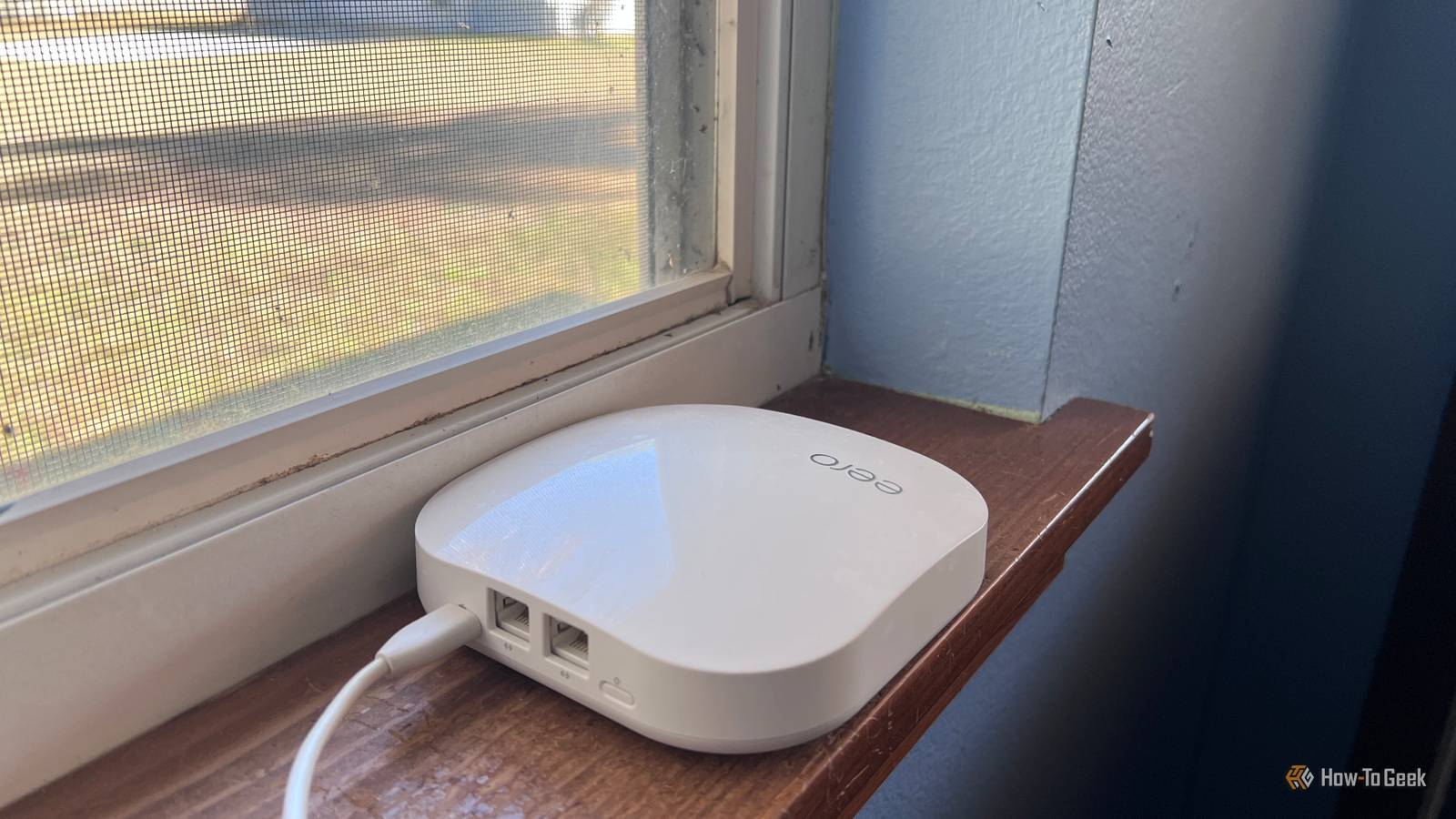
Published Jul 17, 2026, 12:30 PM EDT Sydney Butler is a technology writer with over 20 years of experience as a freelance PC technician and system builder and over a decade as a professional writer. He's worked for more than a decade in user education. On How-To Geek, he writes commerce content, guides, opinions, and specializes in editing hardware and cutting edge technology articles. Sydney started working as a freelance computer technician around the age of 13, before which he was in charge of running the computer center for his school. (He also ran LAN gaming tournaments when the teachers weren't looking!) His interests include VR, PC, Mac, gaming, 3D printing, consumer electronics, the web, and privacy. He holds a Master of Arts degree in Research Psychology with a minor in media and technology studies. His masters dissertation examined the potential for social media to spread misinformation. Outside of How-To Geek, he hosts the Online Tech Tips YouTube Channel, and writes for Online Tech Tips, Switching to Mac, and Helpdesk Geek. Sydney also writes for Expert Reviews UK. He also has bylines at 9to5Mac, 9to5Google, 9to5Toys, Tom's Hardware, MakeTechEasier, and Laptop Mag. There are a lot of different mesh router brands, models, and designs. So much so, that it can be daunting to step into the world of mesh routers for the first time. But in some ways that's only the illusion of choice. When you peel back the plastic shells of these routers, what you'll find inside is usually one of just a small handful of chipset brands and models. The real question is what this means for you and the next router upgrade on your shopping list. The router brands look different, but their brains often don’t It's what you have on the inside that counts So what exactly is a "chipset" in this context? It really is just as the name implies. It's the set of microchips that do the processing and provide the logic for a given router. You may see routers from Eero, TP-Link, ASUS, and so forth on the shelf in a store, but these companies don't actually make the hardware inside these machines. They do some of the design work, and specify things they want or need for a given model, but just like the Android smartphone industry, the SoC (System-on-a-Chip) is bought off the shelf and integrated into the router. Three companies quietly power most of the consumer Wi-Fi industry For most consumer mesh systems, the brains come from one of three vendors Credit: Corbin Davenport / How-To Geek So who is actually making these chipsets? For the most part, the chipset inside your router was made by Qualcomm, Broadcom, or MediaTek. Intel and Realtek are also in there somewhere, but minor actors in comparison. Qualcomm is the most dominant player here, and it sells more than just chips. You can buy entire networking platforms and pre-made designs from them if you're an enterprise customer. Smartphone fans already know this name, because in the Android world Qualcomm's Snapdragon series of SoCs are the performance kings of each generation. Broadcom is another titan of the networking world, and you'll find its SoCs in high-end or flagship routers, but the company is a major supplier of networking silicon across the board. MediaTek was mainly known for making SoCs for tablets and smartphones, particularly in the budget segment, but it's been getting much more competitive in the networking space too. If you're looking at one of the more affordable Wi-Fi 6 or Wi-Fi 7 systems, chances are it's based on MediaTek's platform. UniFi Dream Router 7 9/10 Brand Unifi Range 1,750 square feet The Unifi Dream Router 7 is a full-fledged network appliance offering NVR capabilities, fully managed switching,a built-in firewall, VLANs, and more. With four 2.5G Ethernet ports (one with PoE+) and a 10G SFP+ port, the Unifi Dream Router 7 also features dual WAN capabilities should you have two ISP connections. It includes a 64GB microSD card for IP camera storage, but can be upgraded for more storage if needed. With Wi-Fi 7, you'll be able to reach up to a theoretical 5.7 Gbps network speed when using the 10G SFP+ port, or 2.5 Gbps when using Ethernet. Wi-Fi Bands 2.4/5/6GHz Ethernet Ports 4 2.5G USB Ports None MU-MIMO 2x2 MU-MIMO Mesh Network Compatible Yes Supported standards 802.11a/b/g/n/ac/ax/be Speeds 5.7 Gbps Security Fully managed Chipset/memory Quad-core ARM Cortex-A53 at 1.5 GHz, 3GB Dimensions 110 x 184.1 mm Price 279.99 Many “different” routers start life as the same reference design The similarities don't stop at the chipset Credit: Wallys Companies like Qualcomm and Broadcom also produce complete reference platforms that include circuit board layouts, firmware development kits, antenna guidance, and software. Manufacturers can take these designs, customize them, and bring a finished product to market much faster than starting from scratch. This is why two mesh systems from completely different companies can have nearly identical specs on paper. There's a good chance they're based on the same reference design. This is no different from a company like NVIDIA, a GPU manufacturer, providing a reference design to its board partners, who can then use it as a jumping off point for the final product. Manufacturers can add more RAM or flash storage, improve cooling, redesign the antennas, or tweak the industrial design. They can also choose higher-quality components or cut costs to hit a lower price point. The core of each router from a hardware perspective is, however, pretty much identical. The software matters more than the Silicon Coding your way to greatness If the hardware is often similar, why do some mesh systems earn glowing reviews while others frustrate their owners? The answer is, of course, software, or perhaps to be more accurate I should say "firmware." Either way, this is where individual manufacturers can really set themselves apart. After all, your computer can be awesome to use or terrible, depending on whether you like the operating system or the apps you have on it. All without changing the hardware in any way. Likewise, the software experience using a TP-Link mesh router is going to be pretty different from an Eero no matter what's under the hood. Apart from the UX (User Experience) side of things, there are advantages on the engineering side as well. Perhaps you find that one company does a much better job at QoS (Quality of Service) than another, or that how VPN support is handled varies greatly. Don’t buy a logo—buy the implementation Knowing that many mesh systems share common hardware shouldn't discourage you from buying one. If anything, it helps explain why reading reviews is so important. It breaks the illusion that what sets these systems apart has anything to do with the core hardware. They're all shopping from the same limited set of options in a catalog somewhere. Instead, firmware quality, long-term software support, update frequency, feature set, and real-world performance are what really matter. If two companies both start on an equal footing, it's what they do differently after the chips are down that ultimately matters.
I stopped comparing mesh router specs after learning they all use the same hardware
Full Article
Original Source
Read the full article at Howtogeek →KhanList aggregates and links to publicly available news content. We do not host full articles from third-party sources. Always verify important information with original sources.