
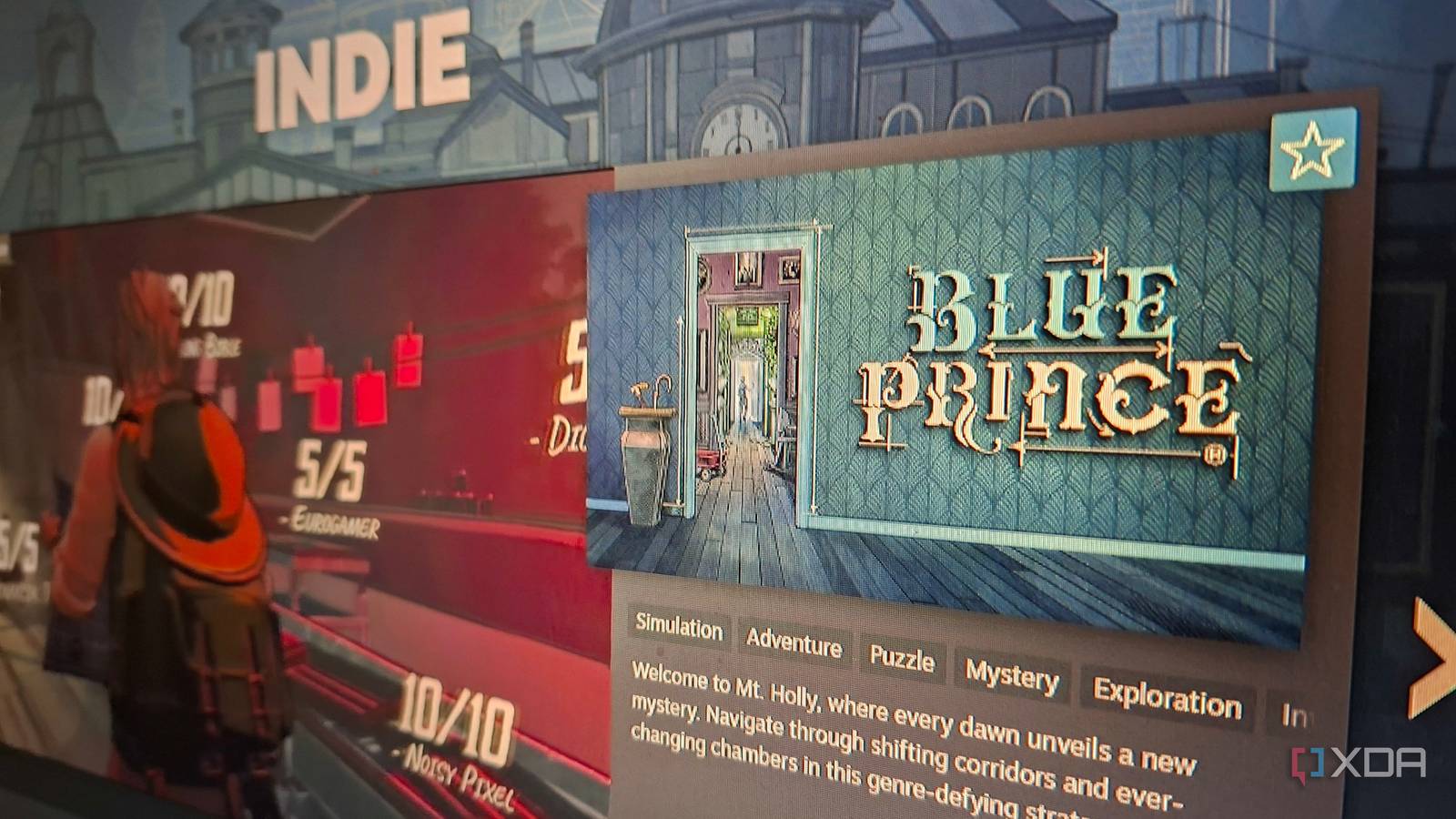
Published Sep 1, 2026, 6:00 PM EDT Simon is a Computer Science BSc graduate who has been writing about technology since 2014, and using Windows machines since 3.1. After working for an indie game studio and acting as the family's go-to technician for all computer issues, he found his passion for writing and decided to use his skill set to write about all things tech. Since beginning his writing career, he has written for many different publications such as WorldStart, Listverse, and MakeTechEasier. However, after finding his home at MakeUseOf in February 2019, he would eventually move on to its sister site, XDA, to bring the latest and greatest in Windows, Linux, and DIY electronics. It's not a great time to be a gamer of any capacity. PC hardware prices are on the rise, console prices are slowly increasing, and GTA 6 has proven that people are willing to shell out $100 for a game. Fortunately, despite everything going up in price, I'm still happily gaming. Not only that, but I've also been purchasing brand-new games on release day without breaking my bank account, and the games run perfectly fine on GPUs that aren't RTX 5000 series. If you haven't guessed it yet, I'm talking about the rich, exciting world of weird indie games that live on Steam, which have ensured I never have to pay triple-A prices ever again. New, cheap, and excellent indie games are releasing every month Keeping on top of them all is a lot of fun Valve has introduced two excellent tools to Steam: the Next Fest and the release calendar. The former serves up a smorgasbord of free demos to try, while the latter keeps you up to date on what's on the horizon. The calendar is fantastic for seeing when your wishlisted games are releasing, but it'll also sneak in a few titles it thinks you'd enjoy. These two tools have made it easier than ever to find the cool new titles that indie devs are working on. I recently picked up IRON NEST: Heavy Turret Simulator, The Message from Deep Space, and Cat Mail Co., entirely because I enjoyed their Next Fest demos, wishlisted them, and then spotted them approaching on my release calendar. And because they're indie titles, they come at a fraction of the price you'd pay for a triple-A game. Some indie games are a regularly maintained labor of love Their update schedule beats that of triple-A titles Another cool element of Steam is that it lets you peek at a game's update history before you purchase it. This is especially useful for Early Access titles, so you can gauge whether a game is still in active development. In fact, Valve added a warning to Early Access titles that hadn't received a substantial update in a few months to address this problem. If you look deep enough, you'll find some games that will give you a huge amount of progressive entertainment for your money's worth. Personally, I think Devil Spire Falls is at the top of the list of indie games that just grow and grow over time. Every week, the developer adds a new patch to the game. The patch is usually more than just bug fixes; it'll often add new in-world elements, spells, or races for you to play. It's not unusual to leave the game alone for a month, then come back and see that the developer has added a ton more content for you to explore. I honestly use that term lovingly In case you haven't heard, there's a new genre of game that's been making the rounds lately. It's called "friendslop," and it's a weird case where you can use it either as a slur or as praise. The genre essentially boils down to a cheap online multiplayer game that uses simple graphics and mechanics to produce something quickly, and whether you find that delightful will likely define how you view the term "friendslop." Personally, I love these kinds of games, and my friends do, too. That's why we hoard games that cost around $5-10 (but we can go as high as $20 if we really like a game) and then play them on a rota. We beat one, put it aside, and then find something else to do. When the game receives an update, or there's a cool mod we want to try, or we just miss the game itself, we'll dig it back up and play it again. This means my friend group has a very deep pool of titles we can draw on at any time. A game we haven't played in a year got a huge content update? Time to fire it up. A friend expressed interest in playing it for the first time? Make a new save file. Do you just find the game a blast to play and your 'replay cooldown' has expired? Now you have your weekend plans sorted. My group has replayed Escape the Backrooms so many times because it has matched all three of those conditions at different times, meaning we got a ton of playtime for a very good price point. It's not something I can say for triple-A games, which are usually a 'one-and-done' affair.
I stopped buying $70 games after discovering Steam's indie goldmine
Full Article
Original Source
Read the full article at Xda-developers →KhanList aggregates and links to publicly available news content. We do not host full articles from third-party sources. Always verify important information with original sources.