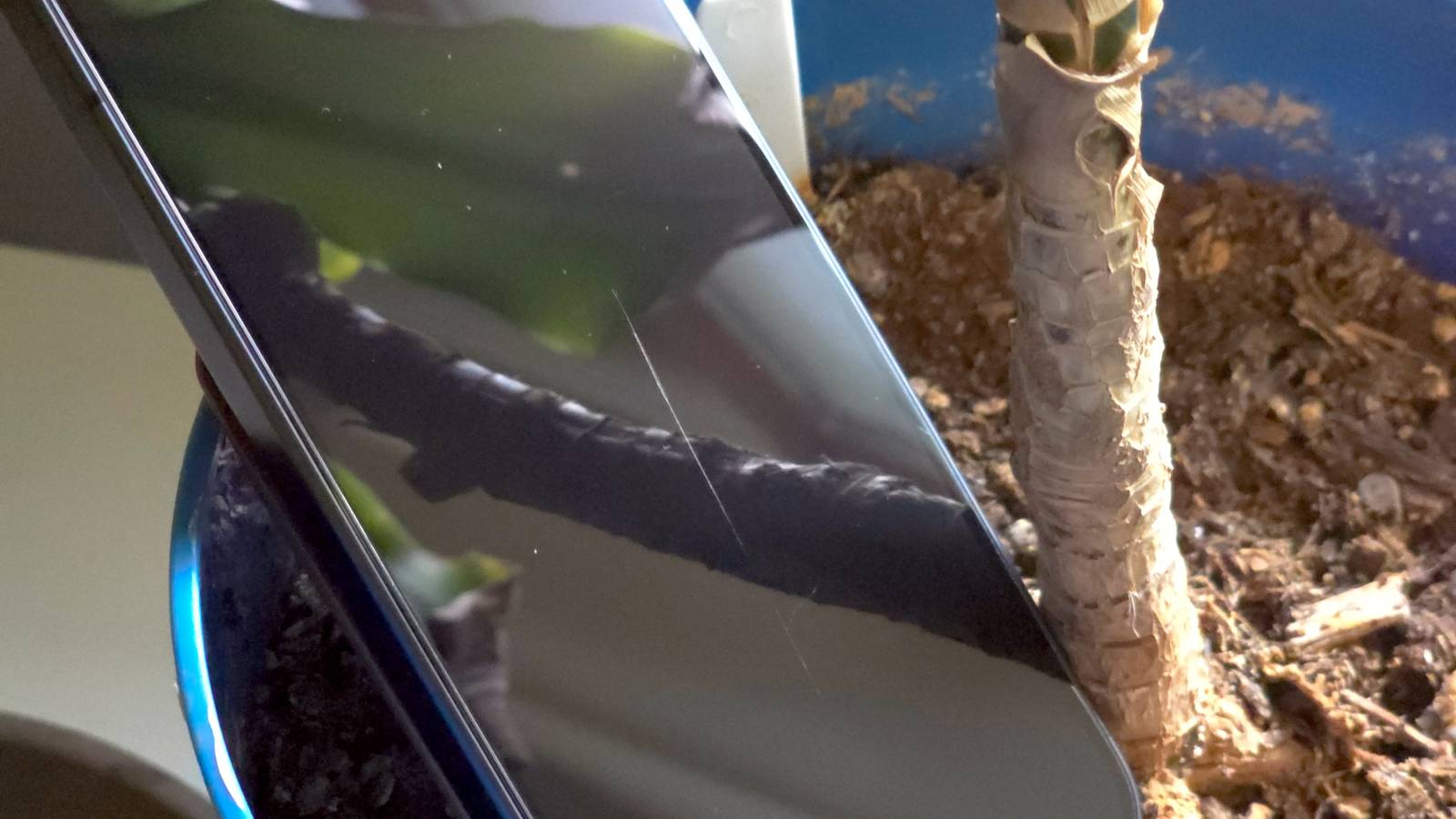
Published Jul 22, 2026, 1:30 PM EDT Joe Fedewa has been writing about technology for over a decade. Android and the rest of the Google ecosystem have been a focus for years, as well as reviewing devices, hosting podcasts, filming videos, and writing tutorials. Joe loves all things technology and is also an avid DIYer and food blogger. He has written thousands of articles, hundreds of tutorials, and dozens of reviews. Before joining How-To Geek, Joe worked at XDA-Developers as Managing Editor and covered news from the Google ecosystem. He got his start in the industry covering Windows Phone on a small blog, and later moved to Phandroid where he covered Android news, reviewed devices, wrote tutorials, created YouTube videos, and hosted a podcast. From smartphones to Bluetooth earbuds to Z-Wave switches, Joe is interested in all kinds of technology. After several years of jailbreaking and heavily modifying an iPod Touch, he moved on to his first smartphone, the HTC DROID Eris. He's been hooked ever since. I have been using smartphones for just about as long as Android has existed. Countless phones have lived in my pockets, and I begrudgingly put cases on many of them. However, screen protectors are where I’ve always drawn the line—until disaster finally struck. That’s not to say my track record with phones has been completely damage-free up until this point. No, I’ve busted my fair share of phones over the years. But I never thought a screen protector would have helped much in any of those situations, so I continued on without. This most recent mishap has finally changed my mind, though. Why I’ve been anti-screen protector Modern smartphone displays are pretty amazing Credit: Joe Fedewa / How-To Geek Back in the early days of smartphones, glass screens weren’t nearly as tough as they are today. Scratching your phone’s display was as easy as putting it in a pocket with some coins and keys. You might even pick up some scratches from simply setting it face down on concrete. This is why screen protectors became so common. Corning Gorilla Glass quickly became the top choice for smartphone screens, and it’s continued to improve since it debuted on the first iPhone in 2007. Typically, Gorilla Glass versions score between 6 and 8 on the Mohs scale (10 being the hardest). The iPhone’s Ceramic Shield—also made by Corning—scores 7/10. Most everyday objects are unable to leave a scratch. Numbers on a scale are just numbers on a scale, but my real-world phone usage seems to back them up. Scratches just haven’t been a problem for me. If my phone’s screen is tough enough to resist being scratched by a piece of Quartz, what’s a thin film of plastic going to do? My other reason was that screen protectors don’t offer protection for the situations that actually break displays. Sure, a scratch is annoying, but it’s nothing compared to dropping your phone on its corner and seeing cracks spread across the glass. Again, what’s a thin film of plastic going to do? I simply felt like glass had gotten to a point where screen protectors were unnecessary. I even told people to stop buying them. Eventually, I would eat my words. Glass isn’t as strong as I thought And screen protectors have gotten a lot better Credit: Joe Fedewa / How-To Geek I’d love to share the story of how I scratched the display on my Pixel 10. Unfortunately, I have no idea how it happened. One moment, I was at a restaurant with some friends, and my screen was fine. Then, I went home and was about to listen to a podcast while I took a shower, when I noticed a horrendous scratch on my phone’s screen. Yikes. I truly don’t know what could have happened between the restaurant and my house. Regardless, it happened. I’ve dropped my Pixel 10 countless times—without a case, too—and the screen has always come up unphased. But something finally got it, and I was forced to defeatly type “pixel 10 screen protector” in the Amazon search bar. Admittedly, I did not originally buy the screen protector for its screen-protection abilities. I had hoped it would make the scratch less visible (it didn’t). However, in the process, I realized that screen protectors are actually really good now. Far more than impossible to align plastic film. The product I purchased was the TOCOL tempered glass screen protector for the Pixel 10. It boasts a “9H” hardness rating, which is actually higher than the Gorilla Glass Victus 2 screen on the Pixel 10 itself—though I’m somewhat skeptical of that. The two-pack came with a plastic frame that aligns the screen protector perfectly and enables bubble-free installation by simply pulling a tab. I was impressed. Once installed, it felt just like the normal phone screen. I’ve completely forgotten it’s there. This is a huge improvement over the screen protectors I used in the past. If something should happen to mysteriously scratch my screen again, I can just rip it off and apply a new one in the exact same way. I was wrong That’s the moral of this story: I was wrong. When you can get a two-pack of tempered glass screen protectors along with a device for easy installation for around $10, it’s honestly reckless not to do it. I will no longer be going through life with naked phone screens. It’s too cheap and easy to get extra protection that’s far less cumbersome than a case. TOCOL Tempered Glass Screen Protector for Pixel 10
I spent years refusing screen protectors until one mysterious scratch changed everything
Full Article
Original Source
Read the full article at Howtogeek →KhanList aggregates and links to publicly available news content. We do not host full articles from third-party sources. Always verify important information with original sources.