Anne, 73, from Plymouth, thought she had worked it out. She had bought a one-bedroom flat in an over-55s development, downsizing from a three-bedroom Victorian house whose stairs had become difficult to manage. The development had a guest suite, a spare room shared by all the flats in the block, bookable for £20 a night. That seemed to solve the problem of her grandchildren coming to stay. Except it didn’t, not quite. Because the suite belonged to everyone, it had to be booked in advance, and it wasn’t always available, particularly in the school holidays, exactly when her daughter Kate was most likely to ask if the children could come. “It breaks my heart that I now have to say, ‘Let me see if the guest room is free,’ instead of simply saying, ‘Come and stay,'” Anne told me. She could no longer say, “Of course, send them down Friday, Kate.” She had to check first. And because of that, she says, she sees her grandchildren less than she used to. There was another loss, too. In the old house, the children had had a room that was theirs, with their own toys left out and their own drawings still on the wall. In the flat, they stay in a room that belongs to no one in particular, comfortable, but not theirs. Guest suites like this are common in retirement and over-55s developments, and they can be a real advantage. But a grandchild’s visit does not always operate several weeks in advance. Grandparents Vicky and Sam, both 66, kept a second bedroom when they moved from their country cottage in Sidmouth to a smaller home in the same town. They had been thinking about money, but also about health scares and what would happen as they got older. They did not want to wait until they were forced to move. A two-bedroom home seemed sensible: room for grandchildren to stay, and for adult children or friends. But the room also had to take Vicky’s electric keyboard, another wardrobe, and all the things that had once been spread through a larger house. A double bed would have left no space for any of it, so they put in bunk beds, fine for the grandchildren while they were young, less useful once an adult child or older friend wanted to stay. “The second bedroom exists on the floor plan, but it can’t do everything we hoped it would,” Vicky told me. “We see the grandchildren, but they don’t stay as often, and that changes the relationship.” The room was technically a bedroom, but it also had to hold the rest of their life. “We didn’t lose a bedroom,” Sam said. “We lost some of the spontaneity of family life.” Hugh from Gloucester is still torn about his decision to downsize. He is in his early seventies and lives alone in a four-bedroom house. He worries about money and whether his pension will last. He also knows moving is unlikely to become easier if he leaves it for another 10 years. From the outside, it looks obvious. One person. Four bedrooms. Too much house. But he does use the rooms. One is his bedroom, another has twin beds for visitors, one is his office, the fourth has his model railway in it. That railway has taken years to build, and it is no longer only his. His grandchildren know it almost as well as he does. Each has an engine they think of as theirs, and his eldest granddaughter helped him build the shed for the freight wagons one summer. Visits tend to start the same way, with someone heading straight upstairs to switch it on. “That’s what I can’t get past,” Hugh tells me. “It’s not just my hobby room. It’s the reason they still want to come and see their grandad.” It is not something that could simply be packed into a couple of boxes and put in the corner of a smaller home. He has looked at smaller properties, but then he starts working out where the desk would go, where visitors would sleep, what would happen to the railway. He understands the financial case for moving. What he cannot yet picture is what the visits of his grandchildren – Tom, eight, and Lucy, 11 – would look like without it. This is one of the problems with the language of “under-occupying”. It can make rooms sound empty and pointless when they may be where somebody paints, sews, exercises, works or keeps the things that make daily life feel like their own. That doesn’t mean everyone should stay in a large house forever, only that the question isn’t simply how many bedrooms you need. Allison, 78, thought the garden would be the thing she missed most when she moved to a flat. She had spent years looking after it, but it had become hard work. The mowing, the repairs and the constant list of jobs were beginning to feel like a burden. She knew she would miss sitting outside with her cat. What she had not fully taken into account was how much else happened there. It was where the grandchildren played, running about while the adults talked, or setting up whatever game they’d brought that week. In the flat, everything felt more contained. There was nowhere for them to run, and they became restless far more quickly, cooped up in one room with nowhere to let off steam. “Watching the children trying not to make too much noise in the flat made me realise what we’d left behind,” Allison told me. “In the house they could simply be children.” “I don’t regret leaving the maintenance. But, if I’m honest, I do regret how much less the grandchildren come, and how different it feels when they do”. There are good reasons to downsize. A smaller home may cost less to heat. It may be safer, easier to clean and better suited to changing health. Selling can release money and remove a great deal of worry. There is also something to be said for sorting through possessions earlier, rather than leaving it until a crisis. But it helps to think not just about what you are ready to give up, but what the space currently allows you to do. Who comes to stay? Is there room for a cot, or space for a child to spread their toys out? Can grandchildren feel, even briefly, that the room is theirs? Would there be somewhere for them to be as noisy as they like? Could a communal guest suite really replace having them to stay under your own roof? Perhaps the better question is not, “How small can I go?” but, “What kind of life do I still want to live in it?” Dr Denise Taylor is a Chartered Psychologist and author who writes about later life and exploring meaning beyond full-time work. Her latest book, ‘ThriveSpan: Walking Gently Into What Matters Now’ is out now
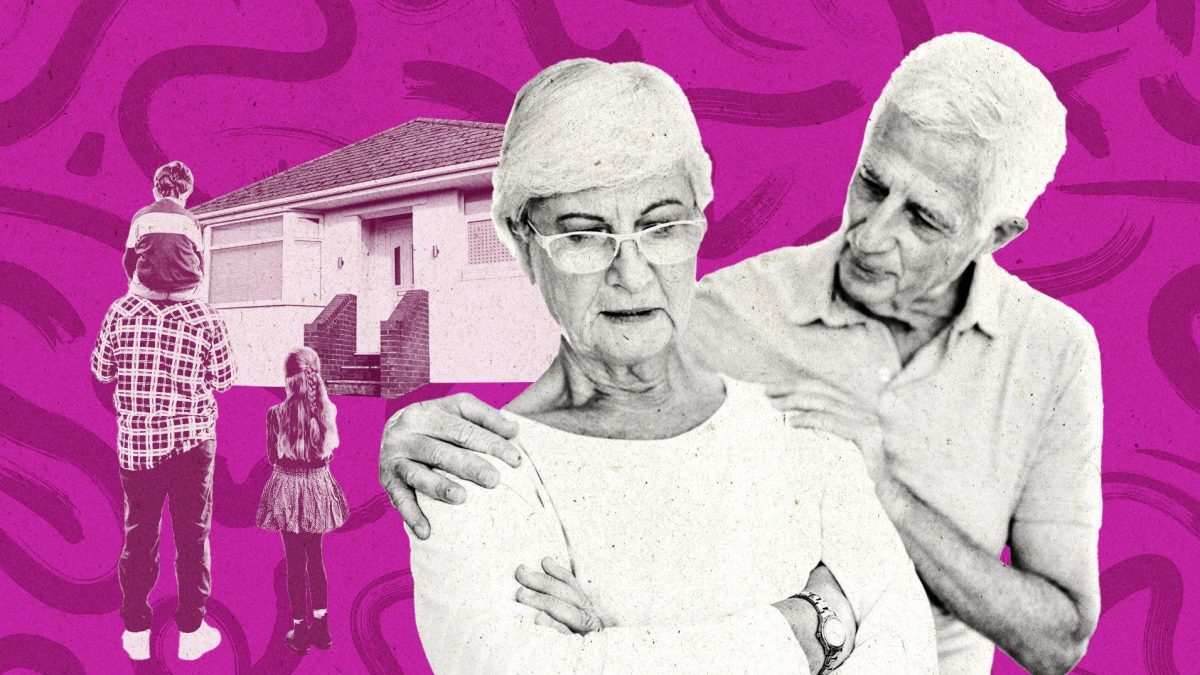
I regret downsizing – my grandkids can’t stay over anymore
Full Article
Original Source
Read the full article at Inews →KhanList aggregates and links to publicly available news content. We do not host full articles from third-party sources. Always verify important information with original sources.