
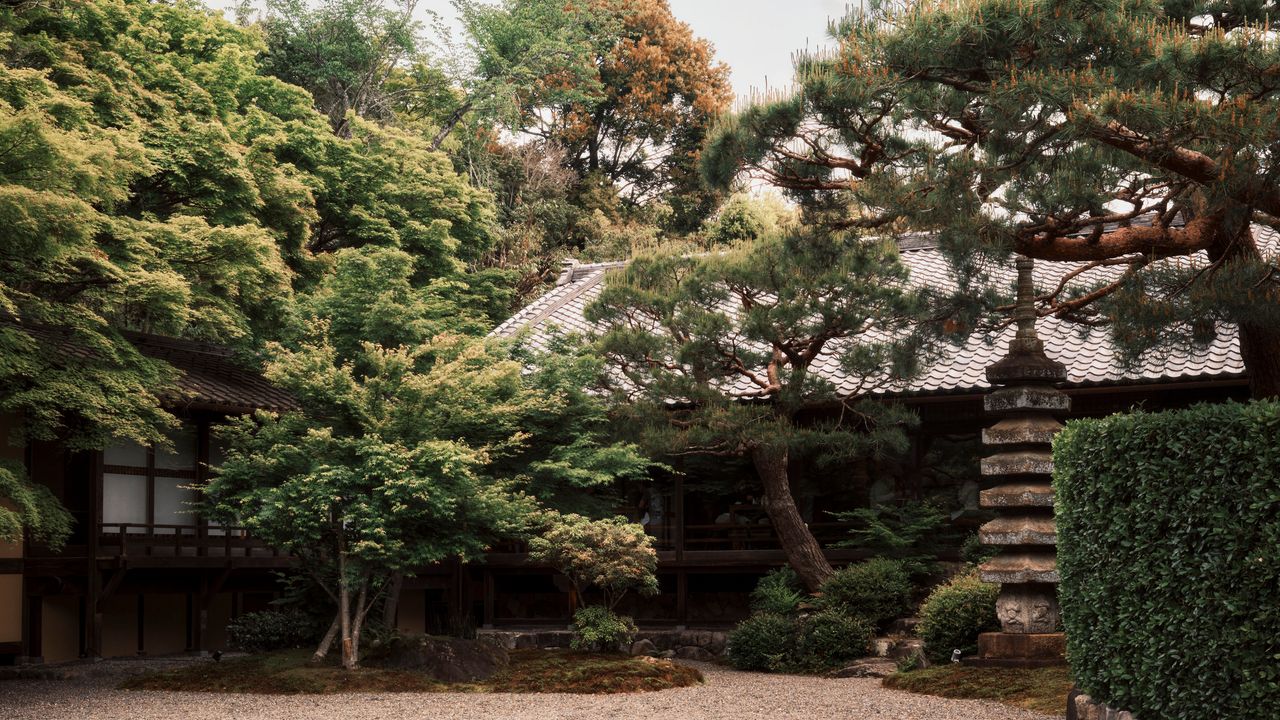
In Hotels With Great Taste, we’re pulling back the curtain for a peek at the “special sauce” that hotels use to create memorable, meaningful culinary experiences for their guests.It’s not hard to find a spectacular bite in Japan. Everywhere you turn, a new culinary wonder. Here's a sip of sweet amazake, a fermented rice drink; there’s a dot of black garlic sauce upon the lightest pickled daikon I’ve eaten.At Suiran, a 39-room boutique hotel tucked along the banks of the Hozu river, I got the chance to be a part in creating one of those spectacular bites.The hotel itself is perched on the edge of the mountainous Arashiyama forest, a verdant expanse with a profound, serene quiet that seems to wrap around the entire property. Suiran serves as a peaceful home base from which to explore the dynamic food and restaurant scene in Kyoto. Plus, in a series of curated expeditions from the Luxury Collection of hotels like Suiran, you can take part in immersive multi-day itineraries around the world that go deep on a region’s history, culture, and, in my case, some of the finer points of its food.The property and roomsThe hotel, built more than a century ago, has a way of pulling you out of a moment in time. The first thing to greet visitors is the property’s Meiji-era gate, made from wood that looks somehow both restored and weathered. Paths wind through a pebbled courtyard and stunning garden, first leading you past the hotel’s cafe, then snaking its way to the main building’s lobby.In my room, the low slung furniture and soft light made the space feel cozy and intimate as the late afternoon sunlight peeking in over the bamboo framing the attached outdoor space. As an added bonus, 17 of the 39 rooms at the hotel feature a patio onsen (a traditional Japanese mineral bath), fed by the nearby Arashiyama hot springs. The entire property is bathed in an otherworldly quiet—it’s the final building before this part of Kyoto gives way to parks, forests, and mountains.The restaurants and dining experiencesCafe Hassui is in the oldest building in the complex and sits just on the other side of the front entrance. It's the stop for afternoon tea, which you can enjoy outdoors, overlooking an expansive view of the calm river and the verdant mountains, or inside, where light pours through large, floor-to-ceiling windows. The tea service includes savory courses as well as sweets by Kyoto-based confectioner Kameya Yoshinaga.Suiran’s main restaurant, Kyo Suiran, serves a mix of elegant French techniques and fresh Japanese ingredients; think grilled cod in a light cream sauce or a decadent slice of Wagyu with soy-braised mushrooms. Slip through a curtain towards the back of Kyo Suiran, and you’ll find an intimate four seat teppanyaki, a chef’s counter with a flat top grill, where the real magic happens.Photograph by Drew EscrivaThe inside scoopFor the culinarily adventurous, Suiran has launched a one-day fermentation expedition as part of the Luxury Collection’s itinerary that takes guests from Tokyo, to Kyoto, to Nara.I dropped into the Kyoto leg of the itinerary, where my day started on a small 1.5 acre farm owned by the Mori family, long time Kyoto pickle makers, to get my hands dirty planting eggplant destined for a fermented future. From there, it was on to Kyo-Tsukemono Mori, a factory that has been pickling vegetables for more than half a century. A third-generation tsukemono-maker from the Mori family guided me through the process, which is almost certainly nothing like any pickling you might have done at home. Instead of soaking vegetables in a pickling solution, I buried vegetables in a sandlike mix of nuka (rice bran), salt, and water where naturally occurring bacteria and yeast work their fermentation magic, a process that starts to show results after a day, but can last for months.After a quick pickle sampling—some delicately sour, others with a pleasant nudge of bitterness—it was back to Suiran. There, in the hidden away back room teppanyaki, chef Tsubasa Yamaguchi built a menu of seven thoughtful courses, each revolving around the potent, fermented flavors of different kojis, misos, and natto.Yamaguchi prepared each course live, skinning a pike conger or breaking down live lobsters from his perch behind the grill. His dishes played on well-calibrated textures and robustly flavored ingredients. Rich abalone shared a bowl with crisp, fresh asparagus and a sauce of miso, koji, and black garlic. A coconut milk and clam juice foam topped sweet lobster meat bathed in a funky natto black pepper sauce. He leaned on particularly local ingredients throughout: sweet mangani peppers first bred in the area around the same time the Suiran buildings were constructed, puckeringly acid suguki pickles made from Kyoto turnip greens tucked into a spicy madras curry, and kamo eggplant (the same type I planted that morning on the farm) accompanied a Wagyu tenderloin.The sun had long since set when we finally finished our dinner. I crossed through the now-still courtyard and opened the sliding door to my room, to find my own tub of tsukemono—a potent souvenir to take back home—sitting atop the minibar.Suiran, a Luxury Collection Hotel, KyotoPhotograph by Drew Escriva
I Pickled Like I'd Never Pickled Before with this Kyoto Hotel
Full Article
Original Source
Read the full article at Bonappetit →KhanList aggregates and links to publicly available news content. We do not host full articles from third-party sources. Always verify important information with original sources.