
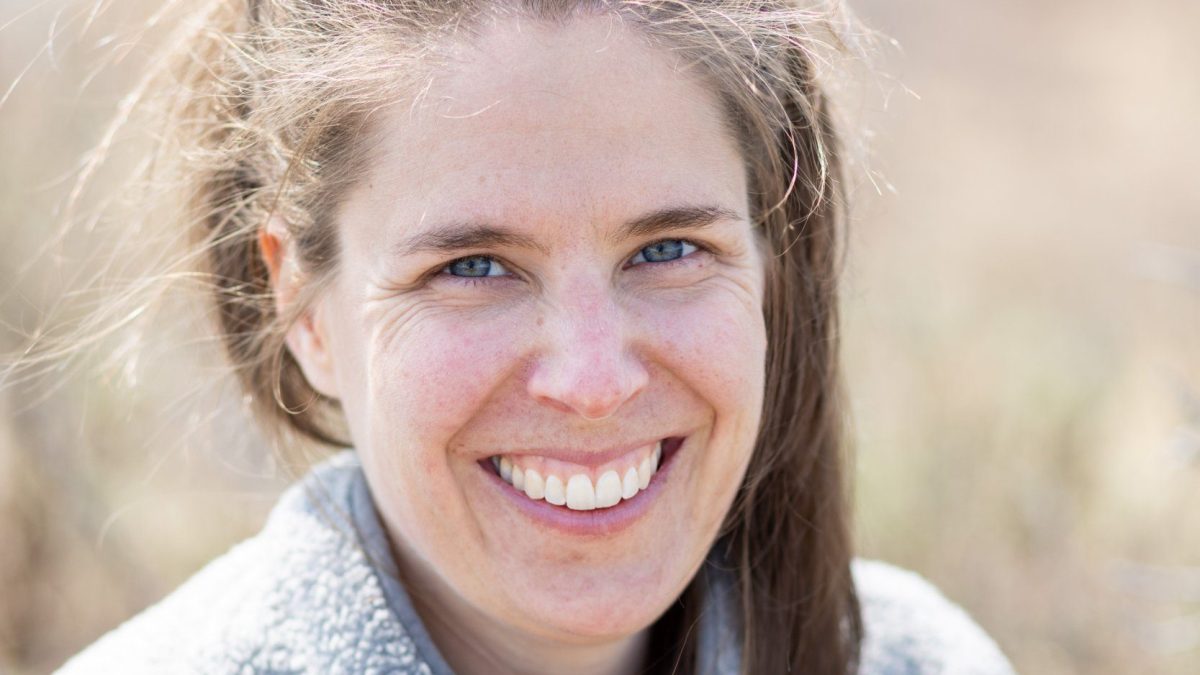
We hadn’t been on a holiday since our first child was a baby. An impromptu weekend trip to the mountains, three hours away from where we lived in Calgary, Canada, with our three-month-old baby was the last real holiday our family had gone on since we started having children. Nine years later, we were standing on Scottish ground at Edinburgh Airport. Sweaty, stinky, hungry, and tired, our family of four started our first vacation in nearly a decade driving through the Scottish countryside on our way to Alnwick, Northumberland. The summer sun was setting as we drove to our first Airbnb. The fields of sheep and quaint cottages were caught up in the evening glow of the sunset. I had spent the last two months planning it all, and I was relieved to finally be where I’d fantasised about. The landscape was stunning. I was so happy. Stopping at Morrison’s for groceries, it felt surreal being in a new supermarket when only eleven hours before, we’d boarded our flight from Calgary. The shopping, we put on the credit card. The rest of the trip, we did just the same. Shorts One year earlier, my husband – who is from Lancashire – and I had been watching an episode of Clarkson’s Farm. Seventies-era rock’n’roll played over images of Jeremy driving his tractor over golden fields, birds swooping in and out of the frame. Hedgerows and stone walls, wildflowers and wildlife, the bucolic scenes of the British countryside mesmerised me. The beautiful countryside of England looked so beautiful compared to the dried-up, wildfire smoke-filled Canada outside my window. I longed to be where he was. 15 years ago, early in our marriage, my husband and I spent nine months living in Lancashire awaiting his Canadian visa. Living in a new country, leaving behind my friends and family, I disliked England and felt that I didn’t belong. I didn’t enjoy its beauty; I just wanted to go home. This time around, I wanted to see it with fresh eyes. My husband’s parents were thrilled at the prospect of their son and his family being near them for a month. They generously offered to give us £3,500 towards the trip, which is what they would have spent had they come to Canada. So, we booked our flights and accommodation totaling £5,800 and paid for the rest with our credit cards. There was no discussion between my husband and I as to how we would actually afford the trip. It was just assumed that we would use debt, just like we did for everything else. Planning ahead for any purchase or lifestyle choice was not something my husband and I did. We made decisions, paid for them using our credit cards and lines of credit, and then spent months and years mildly regretting the financial decisions we made – only to do it all over again. This trip to England was justified. My husband hadn’t spent more than a week or so with his family since he moved to Canada as a teenager, so we splurged. From high-end grocery store deliveries, endless stately home and castle tours and eating out whenever we felt like it, to souvenirs, gifts and entertainment for the kids, we spent just over £7,700. At the time, the cost felt worth it. We had no plan for how much or how little to spend on our holiday, and we didn’t care. Figuring we would pay for it later, we spent our way through our holiday and arrived home already planning the following year’s trip. ‘I had spent the last two months planning it all, and I was relieved to finally be where I’d fantasised about. The landscape was stunning. I was so happy,’ says Cara Howlett One year later, I was feeling slightly guilty at the thought of visiting the UK for another month. We hadn’t paid off our debt from the first holiday, but I suppressed my concerns and focused on planning our vacation – instead of planning our way out of an ever-growing amount of debt of £15,000. At this time, our household income was around £45,000. The previous year, we had only made £30,000. Ignoring our increasingly precarious financial situation, we spent another month in England the following summer spending £4,200 this time. We pretended we were rich while we drowned in debt. Our spending on these vacations reflected deeper problems we were having in our lives. As a stay-at-home parent for the last decade, I felt purposeless and lost. Planning our trips to England gave me a job, it gave me a purpose and a sense of accomplishment. I spent hours researching places to go, things to do and where to eat. I hunted for hiking gear, suitcases and travel activities. I made Amazon lists of toiletries, sundries and necessities. I had a job to do, and I did it well, simultaneously spending a down payment’s worth of money on two holidays we couldn’t truly afford. Back home after our second trip, I worried about the debt, but not enough to stop overspending in all areas of our life. Meanwhile, my husband stressed and worried about how long it would take to get us out of the mess we had made. It wasn’t until we reached the limit on each of our lines of credit and both of our credit cards did I really start to feel the shame of how much money we spent. “What have we done?” I asked myself and I started to panic. We had spent so much money that wasn’t ours on trips we should never have taken. As it stands today, we currently have £26,000 of debt that we are sacrificing much to pay off. We’re living in a small apartment while our friends live in five-bedroom houses to cut housing costs. We won’t be going on holiday until our debt is paid in full, which is likely to take nearly two years at minimum. We’re focused on ridding ourselves of this debt; in three months we’ve paid off £10,000. While it feels amazing to see our debt decreasing, the financial decisions I made in the past keep me up at night. Our debt affects each purchase, each decision, every day. When I used to look at photos from our vacations, I saw gorgeous blue-green lakes, stunning scenery, the beautiful British countryside and fish and chips by the sea. I now see two parents struggling to come to grips with their spending habits and financial beliefs.
I got addicted to holidays – I racked up £15,000 of debt in two years
Full Article
Original Source
Read the full article at Inews →KhanList aggregates and links to publicly available news content. We do not host full articles from third-party sources. Always verify important information with original sources.