
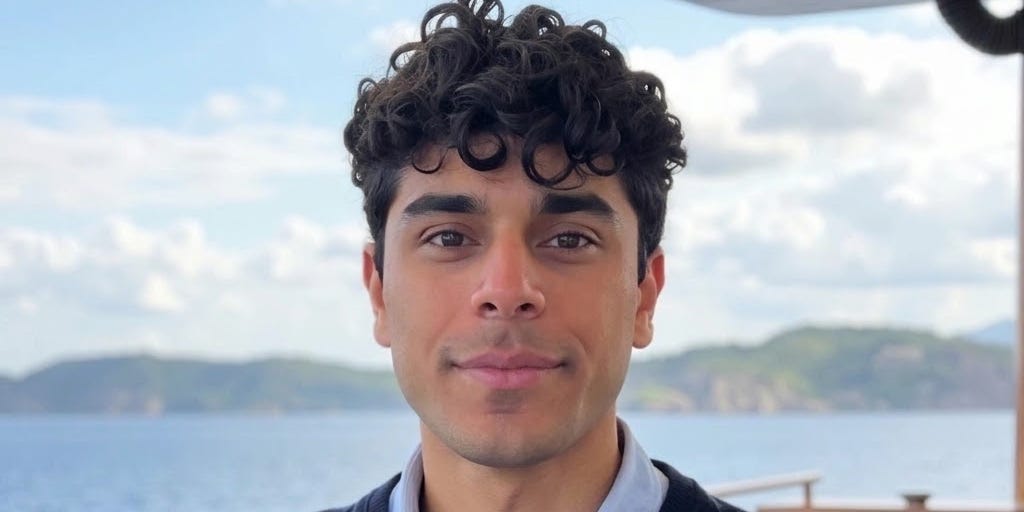
I got a tech VC job at 20 without waiting for a job opening using these tips Noon shared how he broke into venture capital without previous experience in the industry. Ibrahim Noon This as-told-to essay is based on a conversation with Ibrahim Noon, 20, a San Francisco-based associate at venture capital firm Forerunner. The following has been edited for length and clarity.I was raised on a small farm in Pakistan. My father is a farmer, but a historian at heart, so I grew up reading about Alexander, Napoleon, Hannibal, and, later, Silicon Valley figures like Steve Jobs. I was always fascinated by how a few people end up shaping what comes next.My first exposure to the US was a two-month remote research program with Stanford’s Graduate School of Education. I worked on augmented- and virtual-reality simulations designed to teach students environmental science. I came to the University of California, Berkeley, at 17 to study economics and data science.During university, I interned at KPMG in carbon markets, then at a brokerage firm in Miami, and then did sales for Morgan Stanley in New York. I had been this tech-savvy person who was not very social or open, and the Wall Street experience helped me become more comfortable talking to people.I left the internship early to work on two startups back-to-back. I didn't end up pursuing them long-term, but I learned so much from doing discovery calls with customers and building both products from scratch.I wanted to be on the other side of the tableWith the startups wrapped, I felt clueless about what I wanted to do.I had a very broad interest toward venture capital. This was initially noticed by one of my professors at the entrepreneurship and technology center, and I was nicknamed "VC Noon" in my class, after my last name. A lot of my friends who were pitching to VCs would come to me for feedback and advice before going to them.Throughout college, I had been building relationships with investors, just informally and without any incentive. While working on my first startup, I met people at Afore Capital and began sending them founders I met through clubs and classes. I liked being the bridge between ambitious people and the firms that could help them. Noon graduated from UC Berkeley earlier this summer. Ibrahim Noon After graduating in May, I had a return offer from Morgan Stanley and was supposed to start this August. In mid-July, I saw that a tech VC firm called Forerunner had been hiring an associate, but the application had already been paused for more than two months. I was frustrated that I had found it late because it seemed like a great fit for me. But I thought: I need to get in front of them regardless. I spent a full day on a thoughtful email, my résumé, and a one-page investment thesis on consumer AI, and wrote all of it without using any AI. I read Forerunner’s website and all of its published prospectuses and developed my own investment thesis.The interview process made my network tangibleMy first call with a Forerunner partner felt natural because I was mindful not to just list my accolades but to have a real person-to-person conversation. I met more of the investment team in person over the next few days and reached an interview round, which involved a case study walkthrough.For that case study, I had to map my network: who I knew, what they were building, and how Forerunner could benefit from those relationships. My thesis was simple: the next generation of founders is increasingly young, and it helps to build a real relationship with them before they have a company or even a solid idea. Networking and keeping those connections warm is what helped Noon through his job search. Ibrahim Noon “I want to find people before they find themselves” was the way I put it. They may work at OpenAI, Anthropic, Cognition, or another ambitious company before starting their own company. The goal is to stay in touch so that, when they begin building, we are already among the first people they call.I learned that it matters less to have thousands of LinkedIn connections than to keep the right relationships warm. I have about 6,000 connections, but that does not mean I can ask every person for a favor.Looking back, what worked for me is being in the right spaces, trying to be genuinely useful to others, and following up. I'd suggest anyone else looking to get into the industry young go to events, hackathons, and big conferences and introduce yourself. One small thing I do is keep my LinkedIn QR code as my phone lockscreen because people are always in a hurry at events.I've also learned not to be afraid of outreach. At my Wall Street internship, I sent 250 outbound messages a day, with most people not getting back, and I applied that to my life too.I tell myself: "Worst-case scenario, they just won't text back — and that's totally fine." Read next Business Insider tells the innovative stories you want to know Business Insider tells the innovative stories you want to know Business Insider tells the innovative stories you want to know Business Insider tells the innovative stories you want to know Shuby is a senior reporter at Business Insider's Singapore bureau, where she writes about tech, with a focus on AI training and vibe-coding startups.She previously interned for Bloomberg News and CNBC. She studied communications and business at the National University of Singapore. In 2026, she won the Singapore Press Club Tech Journalism Award for her work on the hidden human cost of Meta's chatbot training program and an exposé on the black market for AI gig-work accounts.Have a tip? Contact her via email at sgoel@insider.com or on secure messaging app Signal at @shuby.85. We can keep sources anonymous. Venture Capital Startups as told to More
I got a tech VC job at 20 without waiting for a job opening using these tips
Full Article
Original Source
Read the full article at Businessinsider →KhanList aggregates and links to publicly available news content. We do not host full articles from third-party sources. Always verify important information with original sources.