
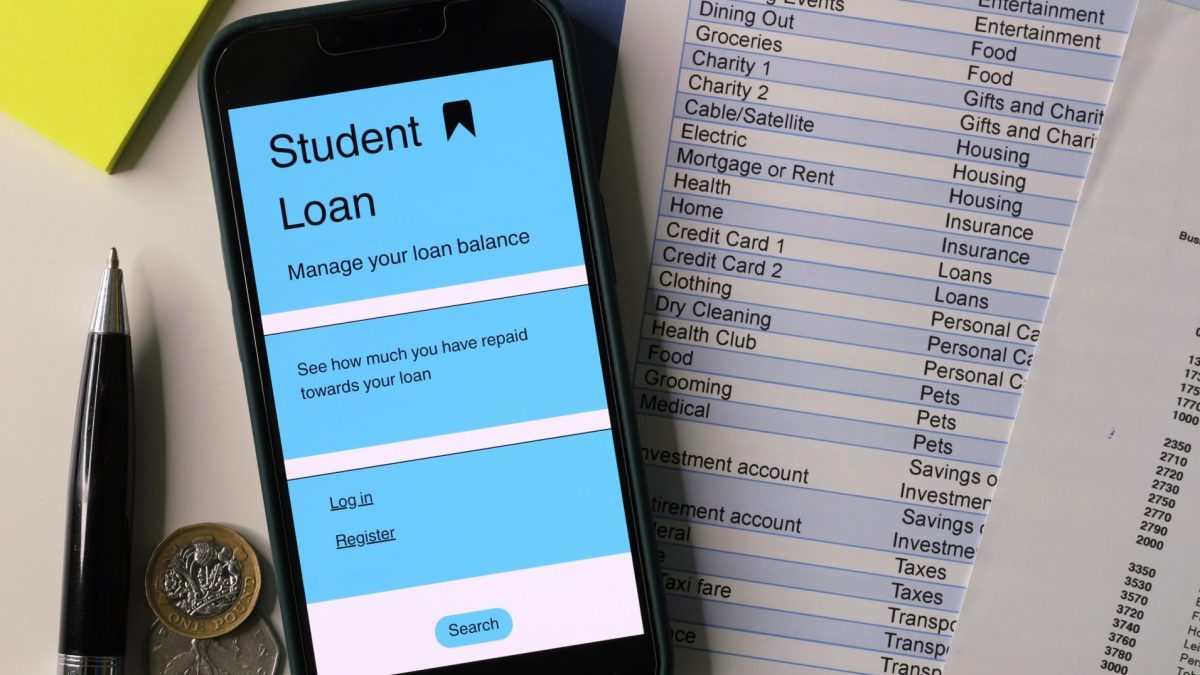
Young people need better careers guidance and more flexibility over their study choices, campaigners have said, after new figures revealed tens of thousands of former students are still repaying loans for courses they never finished. The data, shared exclusively with The i Paper, reveals that 191,500 people are repaying student loans despite never having finished a degree. The data covers those who took out a loan after 2021 in England, Wales and Northern Ireland. Between them, they owe more than £5.9bn, and that figure is set to grow as interest on their loans bites, the data obtained under the Freedom of Information Act by Teneo International School shows. First-year dropouts from 2020-21 now owe an average of around £30,000, compared with about £26,100 for those who left in 2024-25. While the Department for Education argues it’s “only fair” that courses are paid for whether they’re completed or not, others say the figures point to a “rigidity” in the system, poor options for students, and the unfairness of interest rates that mean debt keeps growing “despite” regular repayments. Shorts James dropped out of his architecture degree in Manchester partway through his third year, after falling into what he describes as a “sunk cost fallacy” – ploughing on with something because of what’s already been invested in it, rather than because it’s still the right choice. The 32-year-old left owing around £47,000. Years on, with interest continuing to accrue, that balance has climbed to £62,000. “I feel pretty angry at the system,” said James, who now works as an SEO and content editor. “I kind of gambled and lost.” He said he would never take out a student loan again, “knowing what I now know about interest and how much you’ll end up paying back over time”. James’s experience reflects that of thousands of dropouts still repaying loans for degrees they never finished, new data seen by The i Paper shows. These figures only include students who did not subsequently re-enrol in a course. Separate figures obtained by The i Paper earlier this year show that all students who dropped out at some point in their higher education journey owe a total of £12bn, though many ultimately re-enrolled on a different course. The Government says it’s “only fair” that dropouts should repay their loans, but Andy Burnham has made overhauling education a defining project of his early premiership – pledging to end “dead ends” for young people and unveiling plans to expand technical routes as an alternative to university. MPs call for ‘urgent review’ of the system The findings come as pressure grows on Labour to act on what new Education Secretary Lucy Powell has called an “egregious” student loans system. More than 120 MPs and peers, co-ordinated by the campaign group Rethink Repayment, have written to Chancellor John Healey calling for an “urgent review” and warning that the current setup places an “unsustainable burden” on graduates. Lewis Wilson, vice president for higher education at the National Union of Students, pointed out that the £5.9bn owed “pales in comparison” to the £305bn total national student debt, and accused the Treasury of “making a profit out of debt”. Rather than a case against university, he said, the figures were a case for “wholescale student loan reform”. Powell has said she wants to look at the interest rates on Plan 2 loans – taken out by English students who started university between 2012 and 2023, and still used in Wales – currently capped at 6 per cent, under which graduates repay 9 per cent of earnings above the threshold Much of the recent scrutiny began after Rachel Reeves, in her last Budget as chancellor, froze that threshold at £29,385, dragging more graduates into repayment as wages rise. The backlash has also focused on how loans were sold to prospective students. A recent Treasury Committee report pointed to a BBC investigation which found the government had compared Plan 2 loan repayments to £30-a-month phone contracts in presentations to teenagers a decade ago – a comparison the report found “amounted to mis-selling.” That is a view shared by Penelope, 28, who dropped out of her biomedical science degree at the University of Sheffield at the start of her third year after struggling with her mental health. She still owes around £30,000 – a figure that hasn’t come down despite making significant repayments, due to interest. “I think generally I feel like I was probably mis-sold that loan, as a lot of people feel,” said Penelope, who now works as a customer success manager for a tech company. She recalls being told by teachers that “you’re only going to pay this back if you end up in a really great job, and then you’ll be in a great job, so you won’t care” – a framing she said “hasn’t ended up being the case for most people”. Young people need ‘real choice’ at 18 For both James and Penelope, much of the issue around the university system is the lack of choice on offer. James doesn’t remember “ever sitting down and discussing my options”. He said: “It was always just kind of the assumption of my teachers and my parents that [going to university] is what I would do.” Penelope also felt like university was her only option. “I’m from an area where there’s not very many prospects, and that was just the likely path for anyone who was fairly academically gifted, which I was,” she said. “It just felt like a given that I kind of had to do that.” Taryn Jankes, chief marketing officer at Teneo International School – an online school for students aged 11 to 19 – said the data showed “how much rides on a single decision made at 18, and how little room there is to change course once it’s made”. She said the system needed to offer more flexibility so people could change course before the debt was already locked in, arguing that “education works best when it can flex around people’s lives”. But Nick Hillman, chief executive of the Higher Education Policy Institute, said the data shouldn’t be read as a sign the system is failing. “It can be a tragedy when someone drops out of a course they were originally excited about, but equally we should not expect people to persist with courses they are not enjoying or not thriving on,” he said, pointing out that the UK still has “one of the lowest drop-out rates in the developed world.” The Government, too, pushed back on the idea that the system is broken – while acknowledging the wider point about choice that runs through James and Penelope’s accounts. A Department for Education spokesperson said “around 9 in 10 undergraduates complete their course” and that it is “only fair” for those who take out a loan to repay it. But the spokesperson added: “It is clear that young people need to be given real choices from the start, so they can make informed decisions about their future and avoid ending up on a course that is not the best match for their goals.” A Student Loans Company spokesperson added that students agree to loan terms and conditions when they apply for finance, and that if they withdraw from study, they will enter repayment the following April “in accordance with those terms”. Expansion of technical education routes The data may also add strength to the new Prime Minister’s argument for greater technical education routes, so youngsters don’t feel funnelled into higher education. Kate Ambrosi, chief executive of the Baker Dearing Educational Trust – which oversees a network of technical colleges – said the figures showed the need for a “fundamental shift” in how young people are prepared for their futures. She said this needed to include “meaningful careers guidance in schools, alongside access to high-quality technical education and employer engagement” before they turn 18. Last week, the Burnham unveiled plans to give 14-year-olds early access to technical education and work experience, combining core subjects with vocational routes linked to local jobs. Announcing the changes, the Prime Minister said he wanted an education system built on “parity between academic and technical”, adding: “Britain will value the hard hat every bit as much as the graduation cap.” But the earliest any 14-year-old could benefit from the new pathways is 2028 – doing nothing for the thousands who, like James and Penelope, say they never felt they had a real alternative to university in the first place.
‘I gambled and lost’: University dropouts now owe £6bn in student loans
Full Article
Original Source
Read the full article at Inews →KhanList aggregates and links to publicly available news content. We do not host full articles from third-party sources. Always verify important information with original sources.