
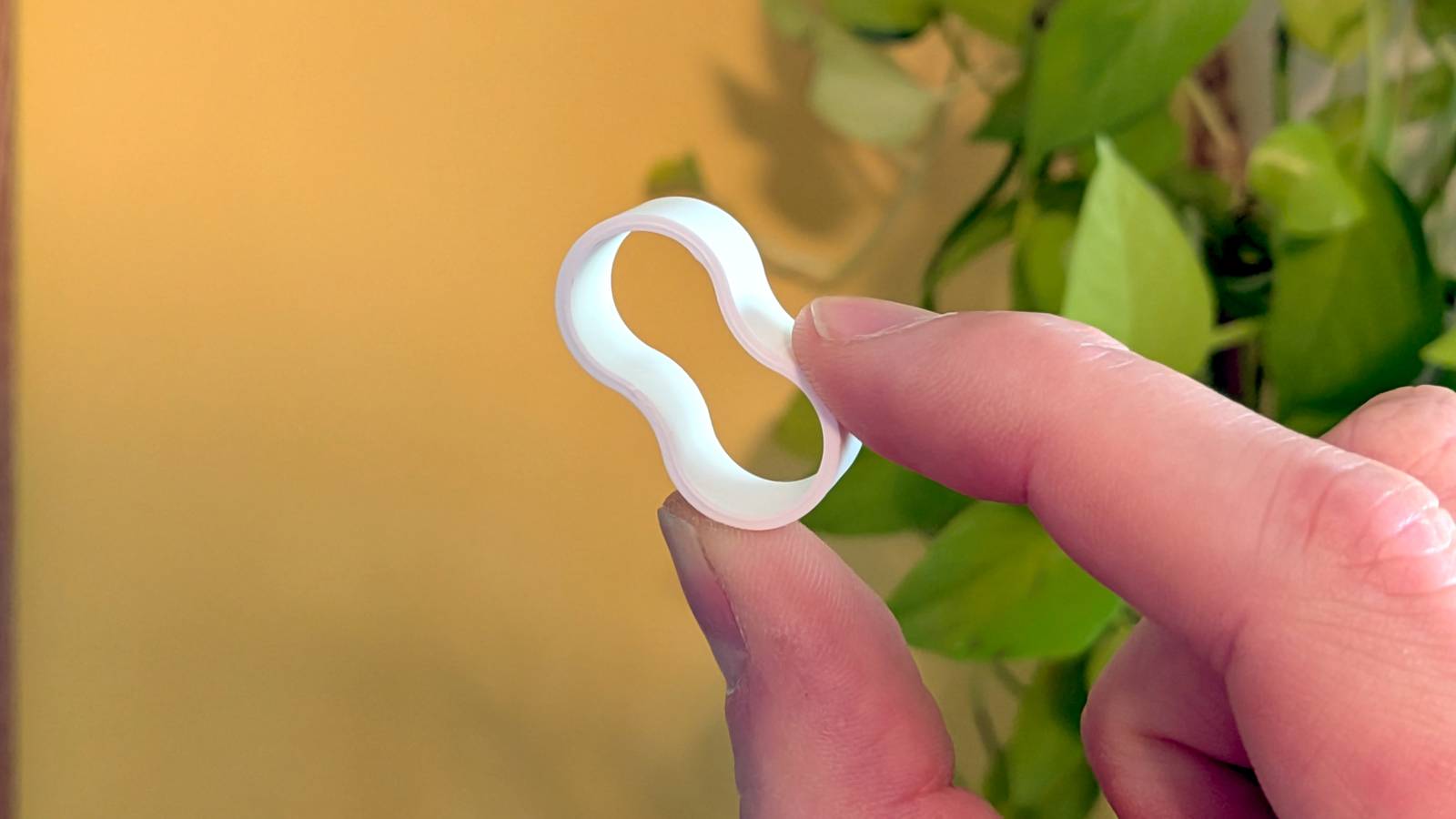
Published Aug 26, 2026, 7:00 AM EDT Joe Fedewa has been writing about technology for over a decade. Android and the rest of the Google ecosystem have been a focus for years, as well as reviewing devices, hosting podcasts, filming videos, and writing tutorials. Joe loves all things technology and is also an avid DIYer and food blogger. He has written thousands of articles, hundreds of tutorials, and dozens of reviews. Before joining How-To Geek, Joe worked at XDA-Developers as Managing Editor and covered news from the Google ecosystem. He got his start in the industry covering Windows Phone on a small blog, and later moved to Phandroid where he covered Android news, reviewed devices, wrote tutorials, created YouTube videos, and hosted a podcast. From smartphones to Bluetooth earbuds to Z-Wave switches, Joe is interested in all kinds of technology. After several years of jailbreaking and heavily modifying an iPod Touch, he moved on to his first smartphone, the HTC DROID Eris. He's been hooked ever since. Cable management is not a fun task. I’m not talking about routing cables under your desk in a satisfying way; I mean literally organizing a box of loose cables. Rubber bands? Velcro straps? I’ve tried them both, but the best method I’ve found is an incredibly simple 3D print. My box of cables is probably very similar to a box of cables that you have. Despite getting my first Android phone with USB-C nearly 10 years ago, my collection of microUSB cables still vastly outnumbers them. Of course, it’s not only phone cables—I have HDMI cords, laptop chargers, and a bunch of weird, proprietary cables as well. It was time for a reset. The problem with rubber bands and Velcro straps They’re fine...but not for me Prior to my most recent organization attempt, I used rubber bands and a few velcro straps to wrangle my box of cables. At first, this system seemed to work well enough. The rubber bands were cheap, it didn’t take much time to do, and the result looked neat and tidy. It didn’t stay that way for long, though. My box of cables is not for deep storage—I regularly open it up and pull one out to use it. This is when I get annoyed with rubber bands and Velcro straps. First, rubber bands love to get tangled when wrapped around something with multiple loops. They either come off tangled in a knot or snap entirely, making it difficult to use the same rubber band again. Credit: Patrick Campanale / How-To Geek Velcro straps are easily removed, but not easily put back on—the latter goes for rubber bands, too. It’s one thing to sit down and make an evening of organizing an entire box; it’s another to do it when you’re in the middle of something. Wrapping a cable multiple times in a rubber band or velcro strap is not a smooth operation. Before anyone says it—yes, I know this will come off as “lazy” or an extreme “first world problem.” But these are the minuscule friction points that can be the difference between an organized office and a messy office. I didn’t like putting the bands and straps back on when I would return a cable to the box, so it became a jungle. Pulling out one cable would bring the entire box with it. Thankfully, I have a 3D printer. Finding a simpler than simple solution How do you improve upon something that’s already so basic? I can’t deny that rubber bands and Velcro straps are an extremely simple solution. My issues are so small that there wasn’t a ton of room for improvement. I started by browsing Maker World to see what other people had come up with. Come along with me. One common concept I saw was a flexible clip with a clasp. You wrap up the cable up into a loop, slide the clip around it, and squeeze it closed. I liked this idea, but I had concerns about flexibility over time and the clasp mechanism wearing out. The second concept I saw a few times was a two-part ratcheting clip. Two U-shapes—one smaller than the other—nest into each other. Ridges along the mating faces allow for the smaller U to be pushed in and stay tightly in place. Again, I thought this was a neat idea, but having two pieces is just begging to lose one. The last concept I saw is very common. It’s essentially an elongated S or C shape. You wrap the cable up, then slide each half of the loop into one side of the S or C. The design is very simple, but effective. I liked this idea enough to print out a few of this particular model. However, in reality, it was actually more cumbersome than a rubber band. The last design gave me an idea of my own, though. I took some measurements and quickly modeled a peanut-shaped cable “strap.” The great thing about these straps is that they go on in one smooth motion. There’s no stretching of a rubber band, wrapping a velcro strap, closing a clasp, latching two pieces, or tucking cables into two halves. I simply bunch up the cable in my hand and slide on the strap. Of course, taking it off is just as easy. Admittedly, I’m not the first person to have this idea—I found similar concepts on Maker World. However, I optimized mine to use very little filament and print quickly. It fits my needs perfectly, and that's what matters when it comes to 3D printing.
I finally solved my box of tangled cables with a $0.05 3D print
Full Article
Original Source
Read the full article at Howtogeek →KhanList aggregates and links to publicly available news content. We do not host full articles from third-party sources. Always verify important information with original sources.