
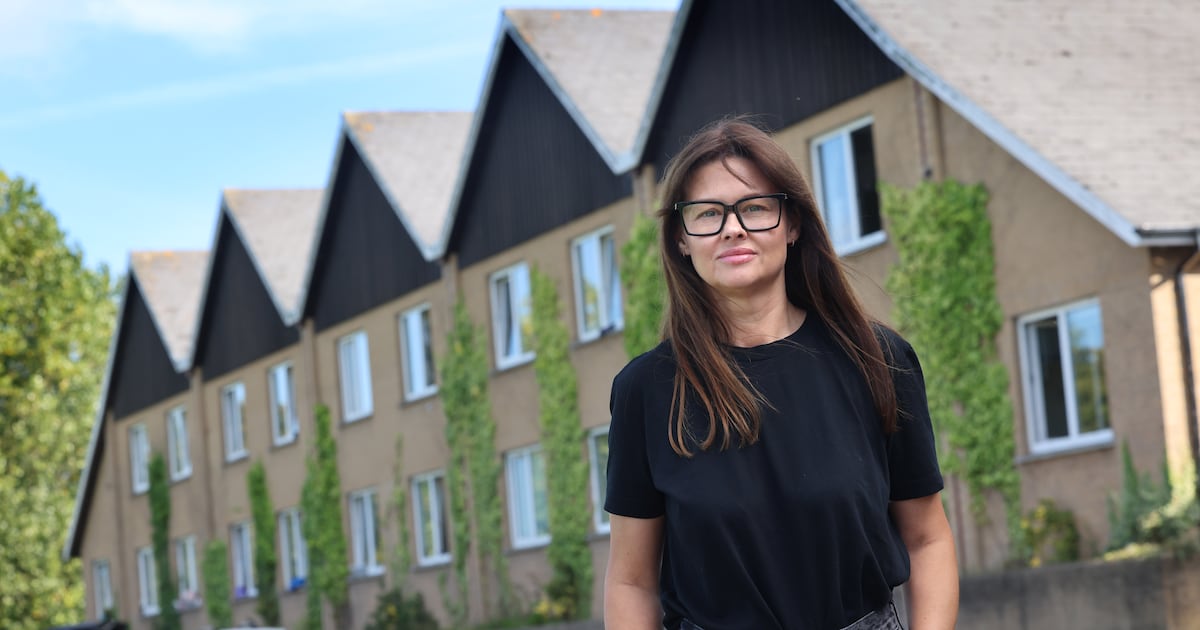
Hanna Skachydub (49), from northeast Ukraine, says she is “completely broken” by a choice she now faces: moving to Kilkenny with her children from the life they have built over four years in north Co Dublin, possible homelessness, or a return to their war-torn homeland.The Department of Justice is ending its contract with the Howth hotel where they have lived and paid rent, offering the family just 30 days’ accommodation 150km away. They have not been told what will happen after that.Like thousands of Ukrainians in State-supported accommodation, they face “really unpalatable choices”, says Brian Killoran, co-ordinator of the Ukraine Civil Society Forum.Contracts with 158 private hotels housing more than 4,000 Ukrainians end between now and November 30th, while the accommodation recognition payment (ARP) for private hosts accommodating 40,000 Ukrainians ends at the end of March 2027.READ MOREMeanwhile, as the community’s temporary protection status comes to an end next year or in 2028, the vast majority will be ineligible to apply for the new temporary protection transition scheme (TPTS). It opened for applications on September 30th and closes at the end of March.To qualify, Ukrainians must not live in State-supported housing, must earn a minimum of €29,432 a year and have lived in Ireland for at least a year.Hanna Skachydub, her daughter Katya (24) and son Ivan (12) have lived in a single room in the Deerpark Hotel, Howth, since arriving. They pay €800 per month towards their accommodation. “It is not free,” says Skachydub.She works in a local cookery school, her daughter works in a nursing home and Ivan has just started secondary school.In July, they and the 200 or so other residents received Department of Justice letters informing them that “the accommodation you are currently receiving will come to an end on 18 October 2026. People currently living at this centre can: Apply for accommodation at a State-supported accommodation centre if they have specific needs. Or source independent accommodation.”Since then, Skachydub has applied for scores of advertised rentals and has had two viewings. She and her daughter could afford a rent of up to €2,000 a month.Hanna Skachydub. Photograph: Dara Mac Dónaill/The Irish Times She believes some landlords will not let to Ukrainians. “People don’t give any chance for us. People understand we [are] Ukrainian, you know, don’t answer, don’t give any chance [to] rent.“It’s very difficult for us, because we do everything right, everything legal. I learn English. I work, my daughter works, my son studies. We are good people.”Returning home to the frontline city of Sumy, on the Russian border, would be “impossible”, she says. Elsewhere in the country is “too dangerous”, she adds. “If anything happens to my children if we go home, I would never forgive myself.“I count every day, how many days to October 18th?”She says her sleep and eating have been affected. Her son asks every day: “Have you found somewhere to live?” “I feel completely broken,” she says.She applied for State-supported accommodation, asking to stay in the Dublin area.On Friday, she received her answer – they will be provided with “accommodation in a short-term designated accommodation centre at Wallslough, Co Kilkenny, for 30 days”.She and her daughter will lose their jobs, Ivan his school community, and they will be entitled to €107.40 plus a €175 food voucher per week.She cannot apply for the TPTS, she says. “It’s really complicated.”She says she would need to earn more than €29,000 and not live in social housing, “and it’s only [open] for half a year. It’s impossible for us. It’s terrible, really. I say to myself: ‘I’m strong, I’m strong’, but sometimes I am very soft. I cry,” she says, becoming upset.“I need someone to give us a chance, give us a chance to rent, not break our life again.”Thousands like Skachydub are making “huge strides” towards integration, says Killoran, co-ordinator of the Ukraine Civil Society Forum. “But the rug is being pulled from under them.”[ Russian attacks continue during German chancellor’s solidarity visit to KyivOpens in new window ]Ukrainians will not be eligible for homelessness accommodation, though “many will try to access it”, he explains. Others may apply for asylum, putting “more pressure on an already overloaded system”. Many will feel they have “no option” but to return to Ukraine.“I heard Ukrainian parents have been asking how they can leave their children here in Ireland, how to contact Tusla, if they are forced to return to Ukraine. These are the desperate choices people feel they face,” he says.“What we’re seeing in 2026 in particular is what I call an aggressive form of compassion fatigue among policymakers and Government.”While thousands are now self-sufficient, many like Skachydub and her family are “well on their way to self-sufficiency, but it takes time”, he says.A spokesman for the County and City Management Association, representing councils that provide homelessness accommodation, said it would “continue to work collaboratively with the Department of Housing and the Department of Justice, and partner organisations to support ... arrangements to assist individuals in accessing available supports”.A Department of Justice spokesman said: “Ireland is progressing a phased withdrawal of State-supported accommodation. People who want to remain in State-supported accommodation were asked to apply.“Following the termination of the ARP scheme, hosts can continue to have private arrangements with individuals.” Those seeking private rented accommodation may be eligible for a rent supplement.
‘I feel broken’: Ukrainians in Ireland face an uncertain future
Full Article
Original Source
Read the full article at Irishtimes →KhanList aggregates and links to publicly available news content. We do not host full articles from third-party sources. Always verify important information with original sources.