
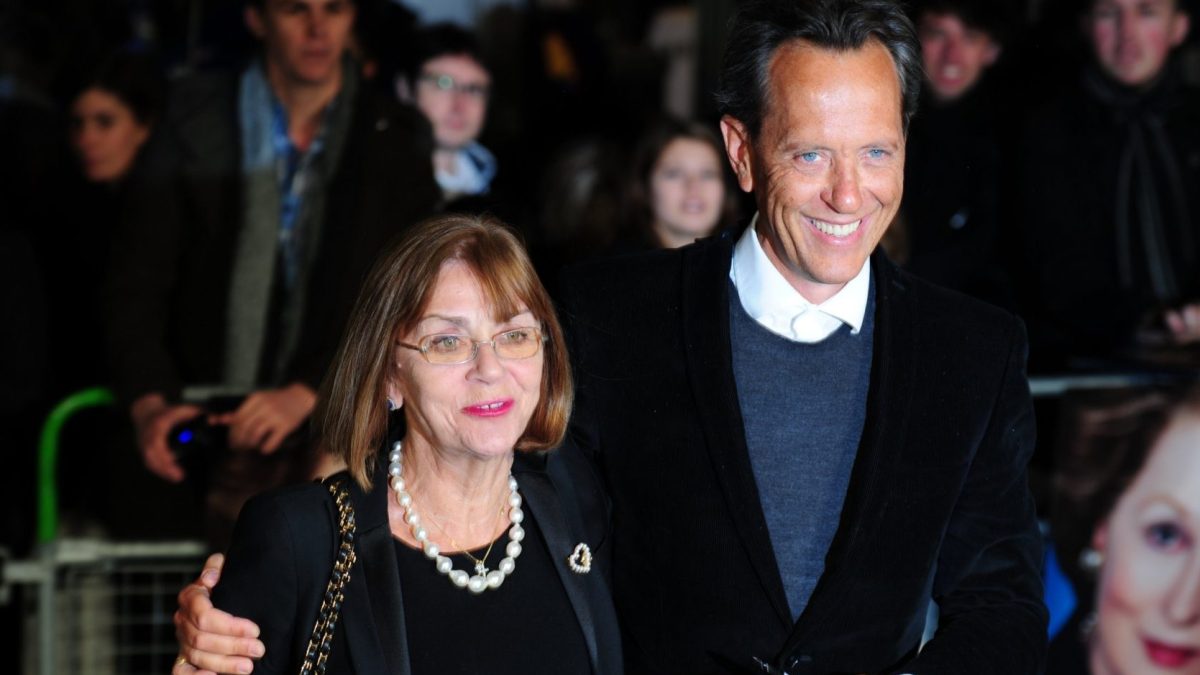
“There are people that have been edited out of my life and I will never see them again,” actorRichard E Grant said in a recent interview, explaining how some of his friends would cross thestreet to avoid him after his wife Joan Washington’s death in 2021. “If I had done that to them, Iwouldn’t be able to look them in the face.” It’s an odd thing, when a loved one dies. Although it is you who has suffered monumental lossand is left dealing with the incapacitating reality of never seeing them again, it is oftentimes thepeople around you who behave as if they are most impacted by the event. I know this, because, like Grant, I lost lifelong friends when my dad passed away in 2016.Seemingly unable to deal with it – or me – they pulled away, migrated to different group chatsand would make decisions for me about whether I was up to socialising or not. “We didn’t thinkyou’d want to come,” they would say, after posting pictures of nights without me out onInstagram. On the occasions they did speak to me, the conversation was stunted and they wouldawkwardly avert their eyes if I dared mention The Thing. It was like we didn’t even know eachother. Meanwhile, I would dutifully listen to them rant about their boss or the latest guy fromHinge who had just ghosted them. As a result, I soon learned not to bring it up – not to speak of Dad or even how I was doing. Ifnothing else, I was tired of the endless “I’m sorrys” or all the “at leasts…”. There was no reasonfor them to be sorry, and I certainly didn’t want to hear their creative ways of minimising my griefin an attempt to make me, what, feel better? Instead, I buried my grief and focused on work. I had just started a new job, and so it was easyto avoid the topic – plus I was put on night shifts by myself most of the time, so rarely got tointeract with my colleagues, much less have heart-to-hearts with them. At home, although my family had also experienced the same loss, it was still raw, and I felt like bringing him up would somehow hurt them or darken their thoughts if they were having a rare “good” day. But therein lies the issue: I stopped talking about Dad and my feelings altogether to makemyself and my grief more palatable for others. I had not one single outlet for my pain – not onesingle person I could reminisce with. It was then that something changed in me – a white-hot rage took over and put everything into anew perspective. It was already impossibly hard to navigate those final days with him and the immediate aftermath of his death. It was already crushing me that I would never hear his voice again or get to call him a “silly sod” after being subjected to one of his awful jokes. Why must I also be forcedto erase the very few remnants of him from life? Why must I censor myself, just to make iteasier for people whose lives had not been affected in the slightest? Yes, we were in our early twenties then, and yes, many of them still haven’t experiencedsignificant loss in the same way (something I do not wish on any of them). Butabandoning someone you supposedly care about during their time of need? That, to me, was –and still is – unforgivable. It demonstrated exactly what our friendship meant to them and noamount of time can make that better. They will always be the people who let me down andabandoned ship when things got slightly hard. Ten years on, I am less angry and have found healthy ways to cope – I stopped repressing thosefeelings and thoughts and have actually dealt with them. But had I stayed friends with thosepeople who encouraged my silence, I doubt I would have ever gotten past them. There’s everypossibility that I’d still be consumed with rage and unable to engage with the world as I didbefore he died. So, as harsh as it may seem to “edit” people out of your life, I think it is very much justified aftersignificant loss, when faced with these circumstances. You are not necessarily acting onimpulse, and just because you cannot accept them back in your life, it does not mean you arehateful – it’s self-preservation and often results in you being far happier in the long run. The friends in my life now are there because they want to be – because they make the effortand show up for me, even when things aren’t easy. They may be fewer in number, but I’d ratherhave a few trusted people I can count on than a whole bunch of fair-weather friends who puttheir own discomfort before my very real loss.
I ‘edited’ friends out after my dad died – I stand by my decision
Full Article
Original Source
Read the full article at Inews →KhanList aggregates and links to publicly available news content. We do not host full articles from third-party sources. Always verify important information with original sources.