
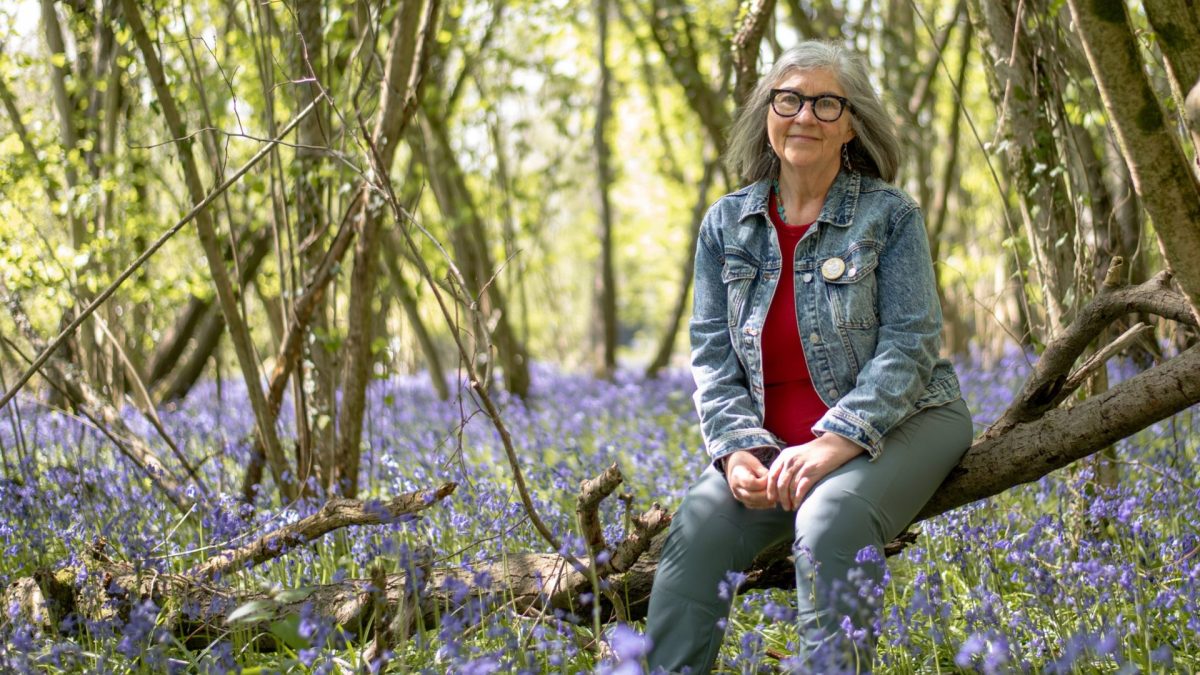
In my fifties, I was living the dream. My husband and I had sold our bungalow and moved to a converted barn in an isolated hamlet in Gloucestershire. It looked out over fields and hills, with grazing sheep and cows that occasionally came into our garden too. Helping the farmer get his animals back where they belonged was part of the pleasure of country life. We could walk down country lanes or stroll across the fields for a drink in a country pub. Our garden was big enough to hold parties that were like miniature music festivals. There was space, beauty and the enjoyment of being part of a rural community. I loved it. But loving somewhere and wanting to spend the rest of your life there are different things. As we approached 60, my husband and I began questioning whether this was where we wanted to grow older. The views would remain beautiful. What concerned me was how much effort it took to do almost anything beyond enjoying them. We lived in a hamlet, with no buses and no local shop. The nearest shop was two miles away. The local pub had closed a few years earlier, and the nearest was several miles away. We had wonderful places to walk, but getting somewhere useful was another matter. A trip to the doctor, shopping or an evening out meant getting into the car. Going to the gym involved driving 30-45 minutes before I had done any exercise. A cinema or theatre visit became a substantial outing: by the time we had driven, parked and walked there, getting to the show could take about an hour. Sometimes, the effort of going out began to outweigh the attraction. My husband and I had a social life, going to regular swing dance classes and dances and making friends there. But we generally saw those friends when we were out rather than at home. We were a long way out for people to visit, and with no public transport, nobody could easily just pop in. When my husband had taken early retirement we moved to just the one car. If he was using it, I was effectively trapped at home. Looking back, I wonder why we didn’t simply buy another. We were careful with money, but managing with one meant negotiating who could go where and when. That dependence could be frustrating even when we were both well. Illness made me think harder about it. When I developed deep vein thrombosis, an ambulance came for me and I went into hospital. Afterwards, I became more aware of the distance between our house and the services I might need. Getting to the doctor required a drive. There was a dispensary attached to the surgery, which helped, but I still had to get there. It was possible to organise life around those journeys. We had been doing it for years. What I began to question was whether I wanted to keep doing it as I grew older. What would happen if one of us could no longer drive? If one became a carer for the other? If one of us was left alone? These are the concerns England’s chief medical officer, Professor Sir Chris Whitty, has highlighted this week. He warned that people who move to the countryside as a couple can find themselves “left isolated or as a carer in a relatively isolated area” when their partner becomes ill or dies. By our late fifties, we were looking at flats in the nearest city and town. We liked the prospect of somewhere easier to manage, close to shops, buses and entertainment. We wanted to travel, too, and an apartment we could lock up and leave. The marriage ultimately ended, and we both made the move alone. Rural living had its frustrations, including the restrictions on going out, but I wouldn’t blame the countryside for the breakdown of our relationship. We had already recognised, together, that town living might suit our next stage better. In June 2018, aged 60, I moved into my flat in town. I have been very happy here. A small shop is less than 10 minutes away on foot. I can walk to a chemist in about seven minutes and a supermarket in 15. The gym and cinema are 12 minutes away. There are buses when I need them. Those distances make a considerable difference to daily life. Going out can be a simple decision rather than a project involving the car, parking, and a lengthy journey home. There are people around, too. In the countryside, our long front gardens gave us privacy, but they also meant we would rarely bump into neighbours. Many people were out at work during the day. Here, I see more people as I go about my ordinary life. I enjoy living alone, and I value my solitude. Being able to step outside and be among people gives me choices. Being close to medical services also matters. I am about five minutes from the hospital. When my partner needed an ambulance because of heart problems, it arrived in less than 10 minutes. I couldn’t help wondering how that situation might have felt at my former home, although I cannot know how long an ambulance would have taken there. I haven’t lost my love of the countryside. During lockdown, as I became increasingly involved in nature-based activities, I discovered that it was possible to buy a small woodland. That was my eureka moment. I now own four acres of woodland, 15 miles from my flat. I can spend time among the trees, watch wildlife and enjoy the quiet, then come home to somewhere that makes everyday life straightforward. For me, this comes close to having the best of both. When managing the woodland eventually becomes too much, I can sell it, with the proceeds available towards care if I need it. I don’t regret those years in the barn conversion. There was much to love, and I’m glad I experienced them. But I could see that the setting which gave us so much pleasure also placed limits on our lives. Through my work as a retirement and later life coach, I’ve met many people who dream of moving to the countryside or seaside. Often, they’re drawn to the peace and calm of somewhere they’ve only experienced on holiday. For some, the pleasures outweigh the inconvenience, but I always encourage people to think carefully about everyday life there. I always advise them to visit outside the season that had inspired the dream. See the seaside on a wet November afternoon or evening. Think about country lanes when snow makes getting out difficult. Consider the ordinary Tuesday when you need a prescription, groceries or company. At 69, I’m pleased I thought about those limits before they became harder to manage. My home gives me access to the things I need and enjoy, while my woodland gives me the countryside I still love. It is an arrangement I can imagine growing older with. Dr Denise Taylor is a chartered psychologist and author who writes about later life, work and meaning beyond full-time employment. Her latest book, ThriveSpan: Walking Gently Into What Matters Now, is out now
I dreamed of retiring to the country – but it was lonely and my marriage broke down
Full Article
Original Source
Read the full article at Inews →KhanList aggregates and links to publicly available news content. We do not host full articles from third-party sources. Always verify important information with original sources.