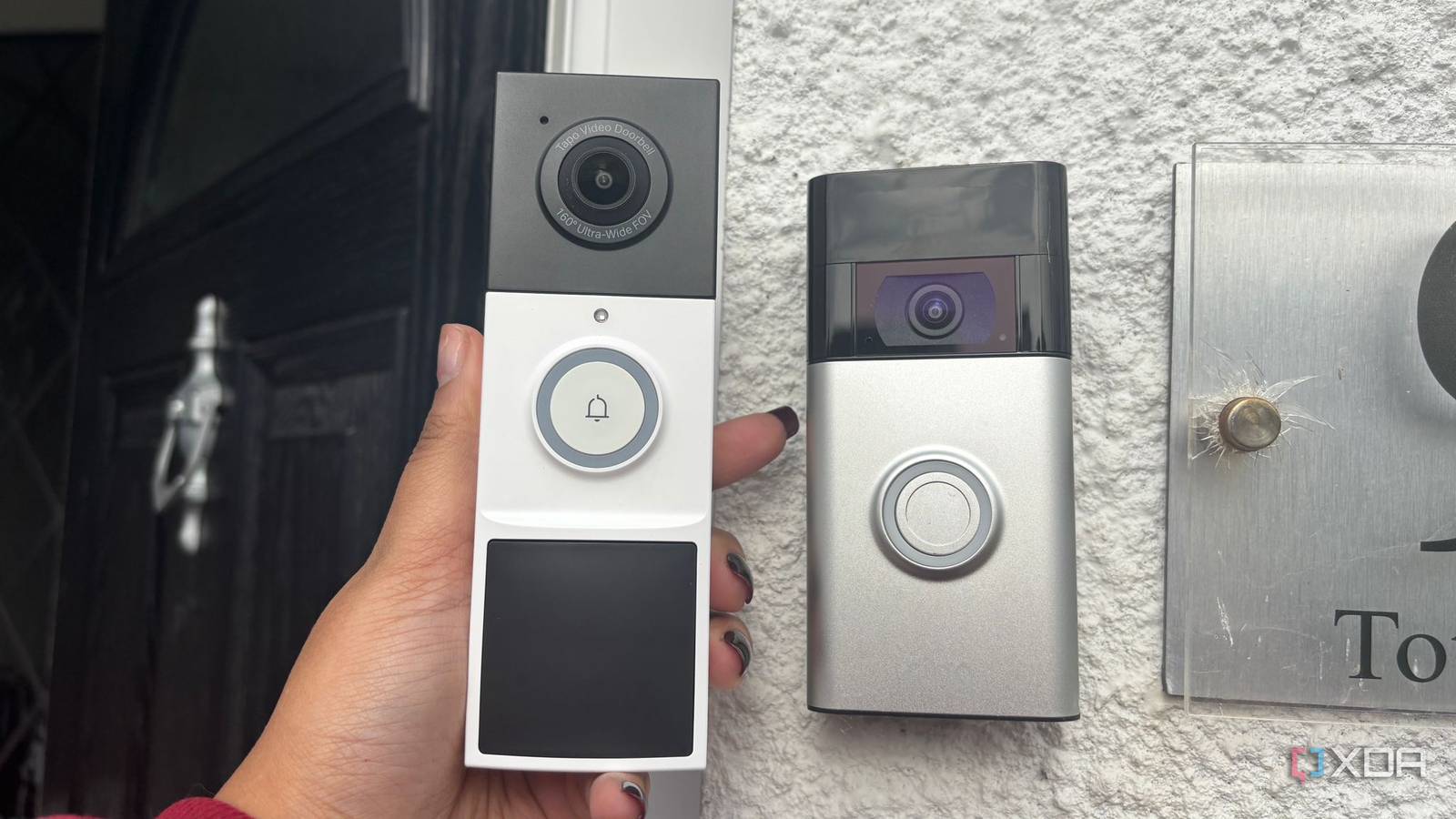
Published Aug 8, 2026, 5:00 PM EDT Jasmine is Software and PC Hardware Author at XDA with years of tech reporting experience ranging from AI chatbots right down to gaming hardware, she's covered just about everything. Whether it's breaking news about the latest AMD NPUs or creating video tutorials on social media platforms, Jasmine has contributed to the world of AI and tech in a variety of ways including interviewing the CEO of Razer, AMD's Director of Product Marketing and the VP of Lenovo. Passionate about gaming and PC technology, she has built countless computers, keyboards and other peripherals - knowing them inside and out. It feels like smart homes come with an unspoken tax of never-ending monthly subscriptions. Whether that's Ring, Nest, or even Arlo, you'll find that the services have repeatedly bumped subscription prices, locked core features like person detection behind paywalls, and degraded the experience for non-paying users. Luckily, there have been recent advances in camera SoCs. This means that embedded NPUs are now powerful enough to execute real-time computer vision models locally on the camera itself. This has led to an insane breakthrough in privacy and performance, as processing video locally means your footage never has to leave your network. Notification alerts arrive in milliseconds rather than seconds, and AI object detection works even if your internet goes down. The cloud subscription security camera model might be dead quite soon. By combining modern edge AI camera hardware with local storage and open protocols, you get faster alerts, total privacy, and superior detection while saving hundreds of dollars a year. Cloud-based AI vs. Local AI Both function completely differently If you have a cloud camera or doorbell like a Ring or Nest, they work by continuously streaming raw, compressed video over your residential internet upload pipe to AWS or Google Cloud servers. You then get remote server-side AI models like Yolo or MobileNet, which scan the frames, classify objects, and send a push notification back to your phone. This has a major drawback: it consumes massive internet upload bandwidth, resulting in 2 to 5 seconds of notification latency, cloud server outages, and mandatory monthly billing. By the time you get a notification to your phone about someone delivering a parcel, they might already be in their van driving away. On the other hand, local edge NPU architecture works by using modern local cameras with low-power integrated NPUs on the camera's main board. It runs lightweight inference models directly on the live sensor feed in real time. This provides you with a massive advantage of sub-second local inference, sometimes less than 100ms. You also get zero ISP upload usage, 100% uptime during internet outages, and no recurring software fees. There are other perks to subscription-free cameras too From storage down to protocols There are also a range of other benefits to using a local doorbell or a subscription-free alternative, even if it does still access the internet. The first is often local storage flexibility. For many of these options, you get hardware-level storage that replaces cloud lockers, such as high-end-endurance microSD cards, local NVRs, or self-hosted NAS pools. This means you don't need to pay monthly just to access your video footage backlog. You also get access to open protocols like ONVIF and RTSP. These open standards matter because they allow you to stream video locally directly to any receiver of your choice, freeing your hardware from vendor lock-in. Just because you have a specific brand of doorbell doesn't mean you also have to have a specific brand of receiver. For those who have advanced self-hosted setups, you can pair local RTSP cameras with Home Assistant and Frigate NVR, which gives you enterprise-grade object classification like person, vehicle, pet, or package completely offline. Hardware options galore Whether you want to go full self-hosted or just opt for subscription-free models, there is something for everyone There is a wide range of hardware options for switching to a subscription-free or local-first video doorbell or security system. For those who want to go completely self-hosted and abandon the internet altogether, there are options such as Power over Ethernet and local NVRs from ReoLink and Amcrest. Hardwired PoE cameras can deliver uncompressed video streams directly to local NVRs without clustering any Wi-Fi airtime at all. You can also get the advantage of a prosumer infrastructure with an option like Unifi Protect. This dedicated local console hardware can offer seamless mobile applications, zero subscription, AI detection, and localized hard drive storage. You still get the same feeling and easy-to-use UI you get with a Ring Doorbell or Google Nest. However, for those that don't want to go completely self-hosted or local only, then you can opt for entry-level standalone options from TP-Link Tapo, who offer affordable 30 to 80 Wi-Fi cameras with built-in microSD card slots and local MPUs for onboard person/vehicle/pet detection. The usability is very similar to a Ring doorbell or Google Nest camera, but you don't have to pay a monthly subscription fee to access all the premium features. Tapo D210 Video Doorbell Camera You get access to local AI detection on the Tapo D210 Video Doorbell Camera meaning you don't have to pay monthly for said features. Ditch the subscription No more monthly fees The error of paying anywhere from $5 to $15 every single month just to know if a package was dropped off on your porch is over. Edge AI silicon has made local detection cheaper, faster, and more private than cloud processing ever was. It's easy to fall into the trap of paying monthly subscription fees for your security cameras. However, a range of local-first or subscription-free cameras now come with local NPU AI detection, allowing you to store your footage on local media and enjoy a faster, private, subscription-free setup.
I ditched my Ring doorbell for a $50 camera with local AI, and I'm saving $180 a year
Full Article
Original Source
Read the full article at Xda-developers →KhanList aggregates and links to publicly available news content. We do not host full articles from third-party sources. Always verify important information with original sources.