
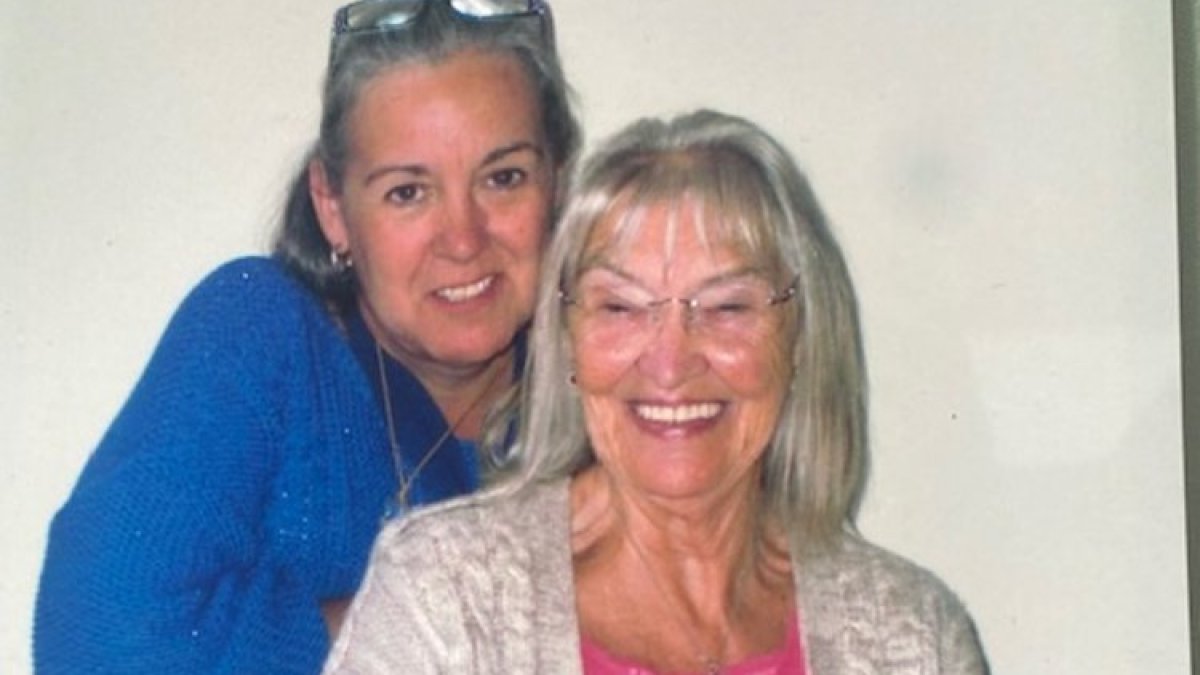
Helen Blake, 62, spends much of her time juggling appointments, arranging care and keeping track of the needs of both her son and her parents – and now has little time for anything else. She helps care for her 92-year-old mother while also supporting her autistic adult son with the assistance of a support worker. But keeping on top of everyone’s needs has become increasingly time-consuming, and Helen, who has mobility problems herself, says her caring responsibilities have taken over her life, meaning she has had no time to prepare for her own retirement. “If I didn’t have my diary, I would struggle. There is so much logistical planning involved in caring for Mum and keeping track of all her appointments alone,” she said. “I receive all the NHS text messages for Mum, myself, my son and a friend I support, so sometimes it’s a guessing game trying to work out which message relates to which person.” Even going on holiday offers little respite from her responsibilities. “Even when I’m on holiday, I’m waiting for the phone to ring,” she said. “Mum recently had a fall and hit her head while I was away, but she didn’t want the carers to contact me because she didn’t want to spoil my holiday. “We had to have a conversation and explain that we would rather know, even when we’re away, because otherwise you’re still worrying and wondering what’s happening.” Helen is part of the so-called “sandwich generation” – people who find themselves simultaneously supporting ageing parents and their children, sometimes well into adulthood.For some, this involves raising school-age children while arranging care for elderly relatives. Others, like Helen, continue supporting adult children with additional needs. Research from retirement specialist Just Group found that people aged 45 to 75 who cut back on work to care for elderly relatives were losing an average of £522 a month in earnings, equivalent to more than £6,000 a year. Nearly four in 10 carers surveyed had either reduced their working hours or stopped working altogether to support an elderly relative. The financial impact was even greater among people who were the sole carer for an elderly dependant, with 33 per cent reducing their working hours and 14 per cent leaving employment. The findings come from a survey of 1,000 UK adults aged 45 to 75 who cared for an elderly relative. The competing responsibilities can leave carers struggling to find time for themselves, let alone manage their careers and prepare financially for retirement. Helen does not work and feels unable to even think about dealing with other people or managing hobbies. “Caring for them both has meant I’ve dropped out of touch with other people because I just don’t have the headspace to deal with them,” Helen said. “There’s so much guilt too. I feel guilty, my brother feels guilty because he lives further away, and Mum feels guilty about putting anything on us. It can feel like everyone is carrying guilt at the same time.” But beyond the emotional and practical challenges of caring for two generations, growing numbers of unpaid carers are also facing a substantial financial burden. Rachael Griffin, tax and financial planning expert at Quilter: “This is a different kind of sandwich generation to the one many people recognise. “Increasingly, people in their 50s or 60s are supporting adult children who cannot afford to leave home because of sky-high housing costs, while also helping elderly parents whose care needs are becoming more demanding.” Emma Walker, director at Just Group, warned that the consequences could extend well beyond the immediate loss of earnings. “Many scale back their working hours and some leave the workforce altogether in order to meet their caring commitments,” she said. “This often coincides with the period in their careers when people reach their peak-earning potential, a point at which many may have planned to use spare income to build up pension pots and pay off the mortgage.” In defined contribution (DC) pension schemes, where retirement savings are built up through contributions and investment returns, reducing earnings typically means less money going into the pot from both the employee and their employer. People who give up work altogether can miss out on further employer pension contributions entirely. This can be particularly difficult for those who had planned to spend their later working years increasing their retirement savings, clearing their mortgage or building up savings. There can also be longer-term consequences for someone’s ability to return to employment, particularly after an extended career break. For sandwich-generation carers, those pressures may come alongside the continuing costs of supporting children, even after they have left home. What financial support is available for unpaid carers? People supporting elderly parents or adult children with disabilities may be entitled to financial help, depending on their circumstances. Carer’s allowance is currently worth £86.45 a week and may be available to people who provide at least 35 hours of care a week. However, the person being cared for must receive a qualifying disability benefit, and the carer generally cannot earn more than £204 a week after tax, national insurance and certain allowable expenses. People providing at least 20 hours of care a week may also qualify for carer’s credit, which helps protect their state pension by filling gaps in their national insurance record. Those on a low income may also qualify for additional support through universal credit, while the person receiving care could be entitled to benefits such as attendance allowance or personal independence payment, depending on their age and circumstances. Carers can also request a free carer’s assessment from their local council. Helen found support through The Carents Lounge, an online community for people looking after ageing parents, after coming across it on Facebook.
I care for my 92-year-old mum and adult son – it’s hurting my retirement planning
Full Article
Original Source
Read the full article at Inews →KhanList aggregates and links to publicly available news content. We do not host full articles from third-party sources. Always verify important information with original sources.