
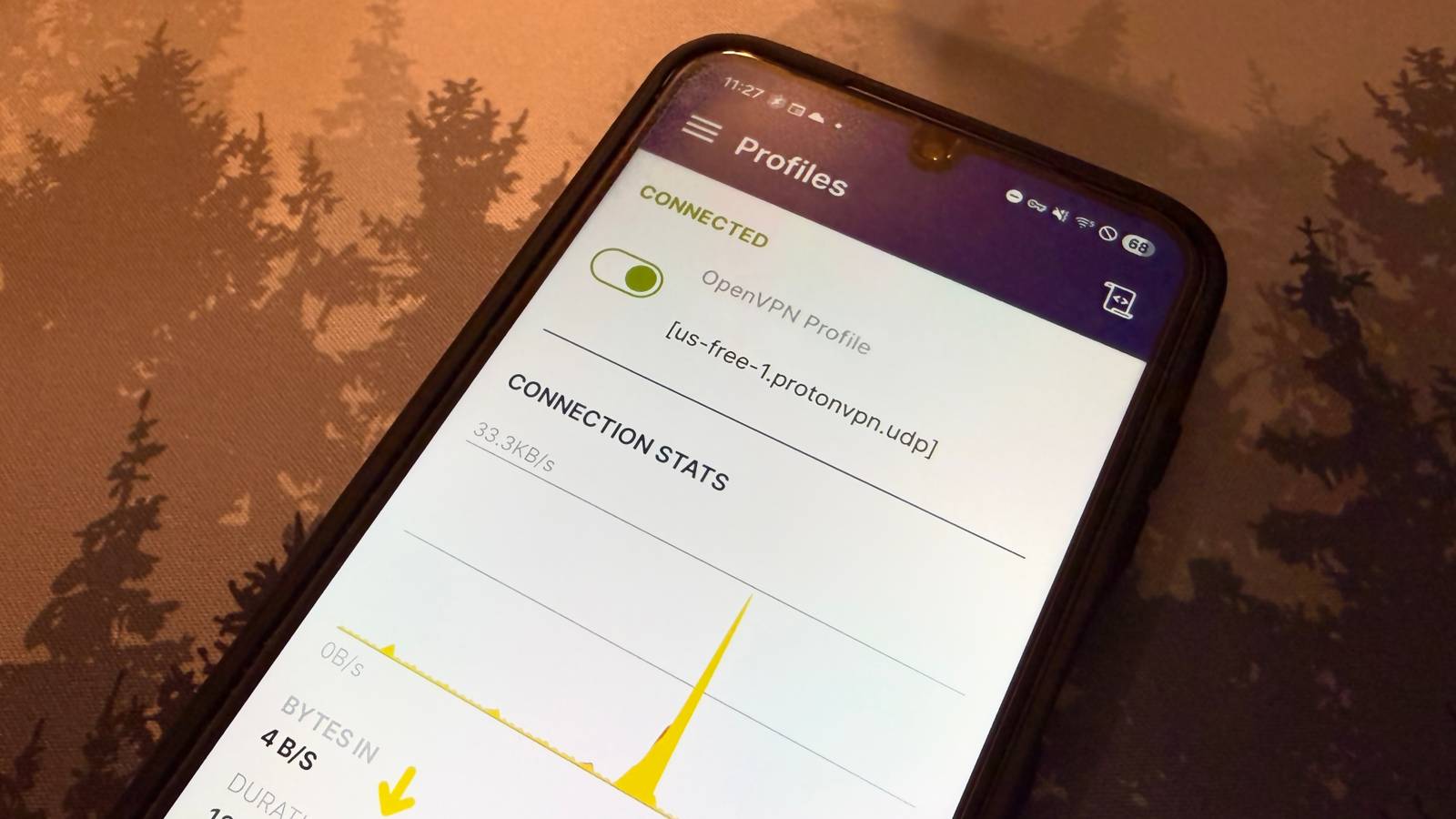
Published Aug 24, 2026, 11:15 AM EDT Nathaniel Pangaro is a tech enthusiast who dives deep into Apple’s world, from Macs and iPads to iPhones, Apple Watches, and every gadget in between. He loves turning tricky tech features into guides and reviews that are actually fun to read—and easy to use. At AppleInsider, he broke down the latest Apple releases with hands-on testing, clear explanations, and visuals that make readers feel like they’re right there with him. He also keeps SEO in mind so people can actually find his work online. He’s also written for The Student Loan Help Group, turning tech and finance topics into simple, helpful, and engaging content. Nathaniel also takes photos and creates rendered visuals to showcase devices and highlight features. When he’s not writing, Pangaro enjoys listening to music, working out, baking, and spending time with his pets. These hobbies help him recharge and bring a fresh, creative perspective to his work, keeping his writing energetic and relatable. Pangaro's goal is simple: help readers get the most from their Apple devices and actually enjoy doing it. Over the years, more web browsing has been done on mobile devices than on desktops or laptops. While those devices are still in use, you probably reach for your phone to visit a website before your laptop nowadays. Using my mobile phone to surf the internet comes with all the additional features I can use, like setting up specific automations. One that I have been utilizing is having my device automatically turn on my VPN when I visit specific websites, and it has made my browsing experience so much better. The reasons I turn on my VPN Using a VPN has other benefits than security A VPN is the way to go if you are looking to increase your privacy and security on Wi-Fi. The VPN encrypts your data, which can protect sensitive information and prevent your internet service provider, or ISP, from tracking your app usage. But it is not only about securing your information; a VPN also allows you to bypass geo-restrictions. This is commonly done to access additional content in other regions, whether through streaming services, gaming platforms, or other content-distribution apps. This is one area where I like to keep my VPN on, because it lets me access content libraries from other regions—like Disney+ or Netflix—rather than what is available in the United States. For example, it’s no secret that TikTok can offer a bunch of show recommendations, but some of them aren’t available in the United States, which is why I use a VPN to change my region and watch them. Credit: Justin Duino / How-To Geek Yet the one area where I always have my VPN on is when I use my banking app—especially in public. Having it on protects me from hackers who may set up fake Wi-Fi networks to steal my—or others’—data. With my VPN enabled, my connection is encrypted, making my login credentials and account details unreadable to anyone snooping on the local network. Additionally, it prevents hackers from intercepting my connection or redirecting me to a fake version of my bank's site before a secure connection is established. Credit: Bits and Splits/Shutterstock A VPN offers many benefits, helping keep your information secure while also allowing you to access content from other regions without being there. One of the biggest hurdles, however, is remembering to turn it on, which is why I created an automation to do so when using specific apps. Setting up the VPN automation My automation setup, brick by brick When setting up my automation, I intended to use Samsung’s Modes and Routines app, but ultimately I went with Tasker. Unlike the Modes and Routines app, Tasker is more powerful, allowing me to set various triggers and access deep system variables. Credit: Lucas Gouveia / How-To Geek However, Tasker is not free. It costs $4.49 as a flat fee, but if you have a Google Play Pass subscription, then it is free. Furthermore, a Play Pass subscription is free for the first month. This lets you see whether you like the app before spending money on it. Credit: Nathaniel Pangaro / How-To Geek | Samsung In addition to downloading the Tasker app, I also have the OpenVPN Connect app, which creates the VPN connection, and Proton VPN, which provides the VPN service. Unlike Tasker, both are free to use, though they offer additional features for a fee. However, these are my choices for setting up this automation, and you can use other VPN providers and connectors you prefer. I started by making sure my Proton VPN profile was in the OpenVPN Connect app. Ensuring this allows Tasker to tell OpenVPN Connect to automatically connect to the VPN provider without any issues. Once I double-checked that the connection between the provider and the connector was successful, I could start piecing together the automation brick by brick. I first opened the Tasker app and tapped the Profiles tab at the top of the screen. Once in, I tapped the plus icon in the lower-right corner of the screen. Credit: Nathaniel Pangaro / How-To Geek | Samsung Above the button to add a profile is a four-pointed star, which closely resembles the icon for Google Gemini, since the app relies heavily on the Gemini API. Tapping that button lets you use natural language to create an automation. While this is a useful feature, I chose to configure my automation manually and just tap the plus icon underneath it. Since I will be triggering this automation when I open a specific app, I chose Application from the dropdown menu. This will show all the apps on my phone and let me tap one or more I want to trigger the automation when I open them. Credit: Nathaniel Pangaro / How-To Geek | Samsung Once I select them and tap back out of the app menu, I will be prompted to name the automation. It could be named anything, but for a simple name, I went with “VPN enabled.” I was then brought into the automation process, which also had a plus icon in the bottom right of the screen. After I tapped it, a menu appeared, and at the bottom, labeled “Filter,” I typed in “Send Intent,” and an option with the Android logo appeared to the left of it. Credit: Nathaniel Pangaro / How-To Geek | Samsung The next part was the most time-consuming, but it was easy to do. A sheet appeared with a bunch of fields to fill out, including: Action, Profile ID, Auto-connect, Package, and Class. Action: net.openvpn.openvpn.CONNECT Profile ID: net.openvpn.openvpn.AUTOSTART_PROFILE_ID: [ID number] Auto-connect: net.openvpn.openvpn.AUTOCONNECT: true Package: net.openvpn.openvpn Class: net.openvpn.unified.MainActivity For the Profile ID, I went back to my Proton account, copied the information, and pasted it into the field. Credit: Nathaniel Pangaro / How-To Geek | Samsung Do note that there are no specific fields for Profile ID or Auto-connect on the sheet, so you need to utilize the fields labeled “Extra” to input the information. Once all of this information was entered, I tested the automation by pressing the play button in the lower left of the screen. If everything worked, I tried it again by opening one of the apps I set as a trigger. If it worked there, I would be all set. Automatically be protected While the setup took some time, the payoff was worth it. It has been very helpful for my VPN to turn on automatically whenever I open specific apps—like my banking app—because I sometimes forget to do so. Not only is this automation helpful, but whenever I find another app I want to protect with a VPN, I just add it to the Tasker automation, and it’s good to go. No longer am I surfing and browsing unprotected. With this automation enabled, I am protected by my VPN when I expect to be, without doing anything additional.
I automated my VPN to turn on whenever I open my banking app—here's how
Full Article
Original Source
Read the full article at Howtogeek →KhanList aggregates and links to publicly available news content. We do not host full articles from third-party sources. Always verify important information with original sources.