
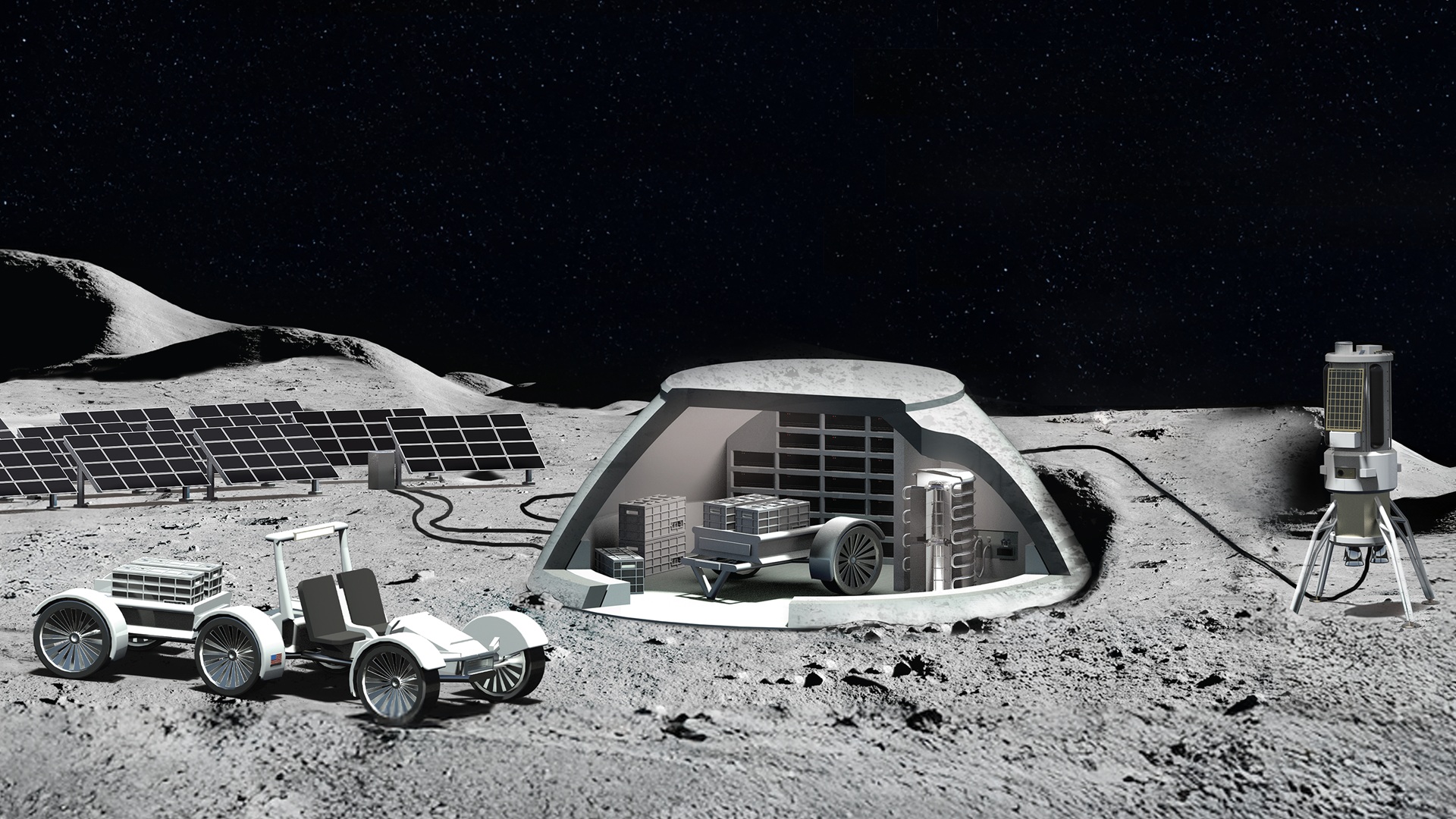
US-based space power and energy systems developer Teledyne Energy Systems will work with NASA to advance a hydrogen fuel cell designed to power future lunar habitats and deep-space missions.The company’s Hydrogen Electrical Power System (HEPS) will be advanced from Technology Readiness Level (TRL) 5 to TRL 7 under a Space Act Agreement involving NASA’s Glenn Research Center and Johnson Space Center. Moving to TRL 7 would require the system to demonstrate its capabilities as a prototype in a space-relevant operational environment. The work is aimed at proving whether HEPS can provide dependable power for demanding exploration missions. The system is designed to generate electricity using hydrogen while operating independently of atmospheric air. Teledyne says the technology could eventually support lunar habitats, surface infrastructure and other systems requiring reliable power in harsh environments. Hydrogen power moves closer Unlike conventional fuel cells that may draw oxygen from surrounding air, HEPS is designed as an air-independent system. That capability is important for operations beyond Earth, where power systems cannot depend on an ambient terrestrial atmosphere. The collaboration will use technical expertise and facilities at NASA Glenn and NASA Johnson to validate the fuel cell’s performance in relevant space environments. “Selection for this collaboration is an important milestone for our hydrogen fuel cell technology and reflects the strength of our longstanding relationship with NASA,” said Barbara Stachowiak, Vice President and General Manager of Teledyne Energy Systems. “Advancing HEPS to a higher technology readiness level will further demonstrate its potential to provide reliable, scalable energy for future exploration architectures and long-duration surface operations.” The program comes as future lunar exploration plans create a need for power technologies capable of supporting equipment and infrastructure for extended periods. Habitats, scientific equipment and other surface systems will require dependable electricity even under challenging operating conditions. Fuel cells face space HEPS builds on Teledyne’s previous work in space power systems. The company develops fuel cells, hydrogen generation systems, energy storage technologies and other power systems for aerospace, defense and industrial applications. The latest effort is focused specifically on maturing HEPS rather than immediately deploying it on a mission. TRL 5 indicates that components or a breadboard have been validated in a relevant environment, while reaching TRL 7 would represent a major step toward flight readiness through demonstration of a system prototype in an operational environment. The collaboration could therefore help bridge the gap between laboratory development and technology capable of supporting future exploration hardware. Reliable energy generation is particularly important for long-duration operations beyond Earth, where equipment may need to function for extended periods without the power infrastructure available on Earth. Teledyne says HEPS is intended to provide efficient and scalable power for these applications. The collaboration will now focus on demonstrating its performance at a higher level of technological maturity as space agencies prepare systems needed for sustained exploration of the Moon and deeper space.Get the latest in engineering, tech, space & science - delivered daily to your inbox.With over a decade-long career in journalism, Neetika Walter has worked with The Economic Times, ANI, and Hindustan Times, covering politics, business, technology, and the clean energy sector. Passionate about contemporary culture, books, poetry, and storytelling, she brings depth and insight to her writing. When she isn’t chasing stories, she’s likely lost in a book or enjoying the company of her dogs.
Hydrogen fuel cell that works without air targets long-duration Moon missions
Full Article
Original Source
Read the full article at Interestingengineering →KhanList aggregates and links to publicly available news content. We do not host full articles from third-party sources. Always verify important information with original sources.