
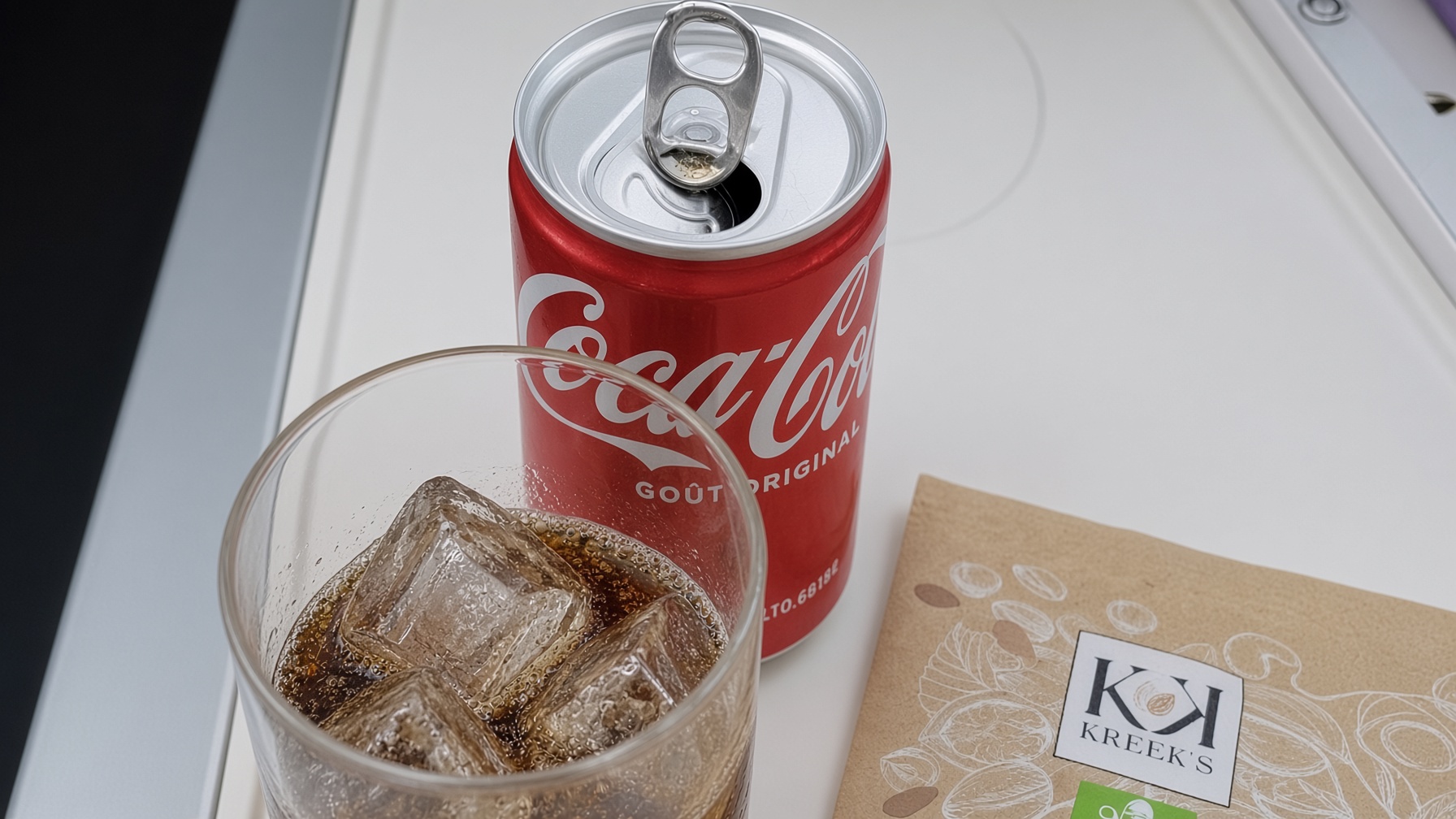
Hyatt has signed up for another 10 years with Pepsi, covering more than 700 U.S. hotels. After Marriott finally decided to switch to Coca-Cola, Hyatt is sticking with the beverage that prompts a question nobody wants to hear: Is Pepsi okay? No, it isn’t. I rarely drink soda. When I do, I don’t want to waste it on Pepsi. The renewal announced November 19, flagged by The Bulkhead Seat, doesn’t cover every Hyatt brand or every country. But the economics of choosing Pepsi make more sense once you realize that the person negotiating the contract isn’t the one that has to drink it. Which Hyatt Brands Are Covered, And Where Can You Get Coke? The agreement covers U.S. hotels in Hyatt’s Classics and Essentials portfolios. Translating Hyatt’s brand groupings: Portfolio Brands Classics Grand Hyatt, Hyatt Regency, Destination by Hyatt, Hyatt Centric, Hyatt Vacation Club, Hyatt Essentials Hyatt Place, Hyatt House, Hyatt Studios, Hyatt Select, Caption by Hyatt, Unscripted by Hyatt UrCove also belongs to Essentials, but its Chinese hotels aren’t covered by a U.S. agreement. The Luxury, Lifestyle and Inclusive Collection portfolios aren’t part of this deal. No one wants to show up at an Andaz or Park Hyatt and get told they can’t have a Coke. Alila, Thompson, The Standard, and Hyatt Ziva and Zilara are also outside the deal’s scope. Here are some hotels that have specifically listed Coke: Hotel Coca-Cola On The Menu Park Hyatt New York Room service lists Coke and Diet Coke Andaz Maui Meeting and event menus list Coke and Diet Coke Thompson Dallas Room service lists Coke and Diet Coke Alila Marea Beach Resort Encinitas Room service lists bottled Coke Pepsi Doesn’t Have To Be Your First Choice To Win The Business When I covered Marriott’s switch in April, Marriott told hotels that more than 70% of its guests favored the Coca-Cola portfolio. Hotels choose suppliers based on the total deal: product pricing, rebates, equipment, servicing, marketing support and sometimes direct payments. We can see how this works in a public contract. Fresno, California’s 2018 Pepsi agreement for its convention center offered a $20,000 annual sponsorship payment, a 25% vending commission, $3 rebates per case or gallon sold, bulk pricing and equipment maintenance in exchange for exclusive beverage rights. A hotel has a modestly captive audience. You’ve already booked the room, your conference is downstairs, or you’re sitting by the pool. You can buy a Coke elsewhere, but that takes effort. Some people accept Pepsi. Others choose something else. The hotel loses some beverage sales and creates some disappointment. But it still thinks it can come out ahead if its supplier prices and rebates are better and they aren’t seeing guests change their hotel bookings. In other words, the worse product can be more profitable to the hotel – or at least to Hyatt corporate. Here, Hyatt brings access to guests whose hotel decision usually turns on something other than soda. Pepsi doesn’t have to persuade all those guests that it tastes better (it doesn’t). Getting its products stocked on property can shift purchases without changing anyone’s preferences. PepsiCo also brings Gatorade, Starbucks ready-to-drink coffee, Quaker, Lay’s, Doritos, Muscle Milk and poppi. “Is Pepsi Okay?” Was Never A Compliment The question assumes you’ve requested something else and asks whether you’ll accept a substitute you didn’t want. Pepsi understood the problem well enough to build its 2019 Super Bowl commercial around it, recruiting Steve Carell, Cardi B and Lil Jon to insist Pepsi was “More Than OK.” John Belushi’s Olympia Restaurant on Saturday Night Live had already reduced the experience to “No Coke! Pepsi!” You could order what you wanted. You were getting what the restaurant had decided to sell. The Pepsi Challenge, New Coke, And What A Recipe Can’t Copy I remember the Pepsi Challenge as a kid. I remember how scared Coke seemed, and the debacle of New Coke. The explanation popularized by Malcolm Gladwell in Blink is that Pepsi’s sweetness does better in a sip test than when someone drinks a whole can. Maybe some people really did prefer the first sip of Pepsi and then found the rest too much. That never seemed right to me. The first sip of Coke is much better. Fortunately, there’s no rule you have to finish a soda. Coca-Cola’s history of New Coke says the company’s lead over its chief competitor had been slipping for 15 consecutive years. It introduced the reformulated drink on April 23, 1985, after taste tests involving nearly 200,000 consumers favored the new formula. The original came back just 79 days later. The tests hadn’t captured how people would react to having their Coke taken away. The company could produce a drink that performed better in a test and still make customers furious by replacing the one they loved. That helps explain why Coke’s business is so hard to recreate even if someone could duplicate the liquid. The secret formula gets the attention, but a competitor would also need to reproduce decades of habits, memories, advertising and confidence that the drink will be what you expect. A familiar brand changes the experience of drinking it. Then there’s the distribution system: bottlers, delivery routes, coolers, fountains and relationships with stores and restaurants. Being easy to find reinforces the habit of asking for Coke. You know there’s already a strong likelihood it’ll be there when you ask. I don’t ask for my preferred drinks outside of places I know it’s available. Would you ask for Golden Elephant Three Lotus Pure Palm Juice at a diner off the New Jersey Turnpike? I don’t drink enough soda to make defending Coke a daily activity. If I’m going to have soda, Dr. Brown’s cream is my first choice, followed by their black cherry. Hyatt can negotiate all the Pepsi it wants. I’ll just have water, thanks. Topics on this page
Hyatt Keeps Pepsi For 10 More Years At 700+ U.S. Hotels—Even Though Few Guests Want It
Full Article
Original Source
Read the full article at Viewfromthewing →KhanList aggregates and links to publicly available news content. We do not host full articles from third-party sources. Always verify important information with original sources.