
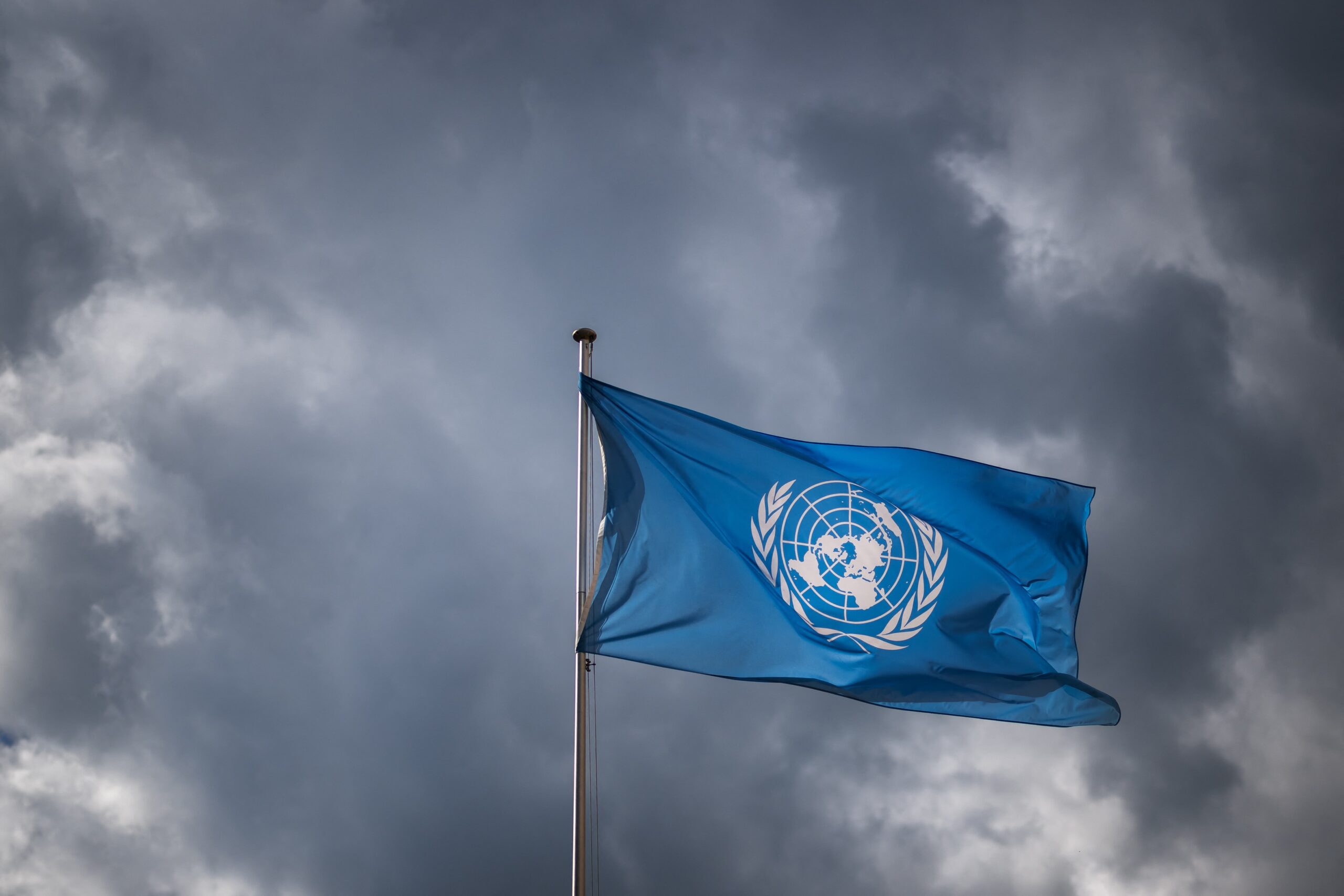
A United Nations flag waves under a cloudy sky at the UN offices in Geneva (Photo: Fabrice Coffrini / AFP) The already dire human rights situation in Myanmar has plunged to a “new low,” the United Nations (UN) warned on Tuesday, with illegal mining and scam centres fuelling the crisis. The UN human rights office denounced the “ever-worsening brutal abuse” of the Rohingya minority and the “devastating impact” of illicit economies, including mining for rare earths. Myanmar’s ruling junta seized power in a coup on February 1, 2021 that ousted Aung San Suu Kyi’s elected government, ending a 10-year experiment with democracy and plunging the Southeast Asian nation into bloody turmoil and a humanitarian crisis. Over the past five years, more than 100,000 people are estimated to have been killed across all sides as the military battles an array of pro-democracy and ethnic-minority armed groups. Covering June 1, 2025 to May 31 this year, the report “depicts a picture of suffering, misery, and cruelty on multiple levels and across the country that is heartbreaking,” UN rights chief Volker Turk said in a statement. “I call on all states, companies and investors to undertake serious soul-searching with respect to their actions—or inaction—to ask: is this fair and just for the people of Myanmar?” Coup leader Min Aung Hlaing appointed himself as Myanmar’s president in April—surrendering the office of armed forces chief to a key aide. Min Aung Hlaing is currently spearheading a diplomatic blitz to shake off Myanmar’s post coup pariah status and gain diplomatic recognition abroad, with trips to India, China, Laos and Thailand. “The military’s persistent quest for control and legitimacy has only deepened the suffering and the multiple life-threatening protection and humanitarian concerns civilians face,” the UN report said. “Military tactics aimed at imposing fear and control, facilitated by the use of new technologies to expand surveillance, permeate every aspect of life.” Scam centres expanding The report highlighted military violence against civilians, through the persistent use of airstrikes, arson attacks, and displacement. It said the military and the Arakan Army, an ethnic minority anti-junta group, were committing widespread and systematic abuses against the Rohingya minority. It also said illicit economies were helping to finance the conflict, with human rights crises multiplying due to illegal mining, drug production, human trafficking, and scam centres. James Rodehaver, head of the rights office’s Myanmar team, said local communities have become increasingly dependent on the scam centres. They are “building roads, schools and freshwater wells as a way to endear themselves to the local community” and increase their legitimacy, he told a press conference. Financial investigations highlighted a complex web of illicit gains and impunity. Despite the limited availability of official records, the report’s findings suggested that mining extraction was largely undertaken for the neighbouring Chinese market, with a peak in trade flows in 2023 amounting to US$1.4 billion. Mining operations are resulting in “massive volumes” of hazardous chemicals flowing directly into local waterways, resulting in severe pollution and harming reproductive health, the report said. A decade of reporting at a cost In 2025, we marked the 10th anniversary of Myanmar Now. In Myanmar’s history, journalists are often the first targets during political repression. We founded this outlet during a brief window of stability, starting with a small team in a modest office in downtown Yangon. Our goal was simple: to report on injustices that had been silenced for decades. In many countries, justice is sought through courts and police. In Myanmar, these institutions have historically been instruments of oppression. From the start, we committed to reporting without discrimination—regardless of ethnicity, religion, or citizenship. We believe our work should be accurate, deeply sourced, and strong enough to serve as a historical record. We also believe journalism should be a force for positive change, and that our primary readers should be the people of Myanmar. That belief came at a cost. Members of our team and others associated with Myanmar Now have endured long legal battles, physical assaults, arrests, and torture. Despite these hardships, Myanmar Now continues to report the news—thanks to the resilience of our team, the courage of our sources, and the trust of our readers. Please subscribe to support a free press in Myanmar.
Human rights in Myanmar hitting a “new low”: UN
Full Article
Original Source
Read the full article at Myanmar-now →KhanList aggregates and links to publicly available news content. We do not host full articles from third-party sources. Always verify important information with original sources.