
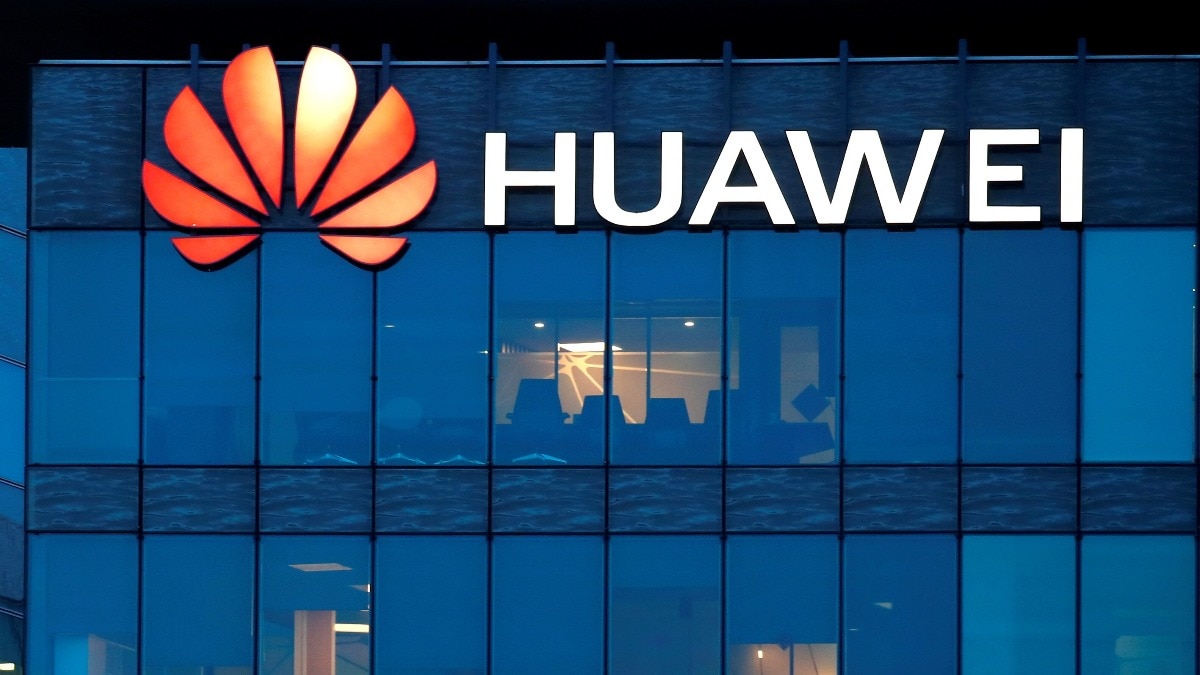
Chinese telecommunications giant Huawei has been convicted by a US federal jury on 10 criminal counts in a sprawling case involving allegations of deceiving banks over its business operations in Iran and stealing trade secrets from American companies.A jury in Brooklyn found Huawei guilty of 10 of the 12 charges it faced on Tuesday. However, the company was acquitted of racketeering conspiracy, which accused it of operating as a criminal enterprise.Reacting to the verdict, Huawei said the charges on which it was convicted lacked legal merit and that it would "take all necessary legal actions to defend our rights and interests".The verdict follows a years-long legal battle that began in 2018, when US authorities accused Huawei of misleading financial institutions about its business dealings in Iran to circumvent American sanctions. The company and three of its affiliates faced charges including bank fraud, wire fraud, sanctions violations, conspiracy to steal trade secrets and obstruction of justice. Prosecutors alleged that Huawei misled HSBC, Standard Chartered and BNP Paribas about its operations in Iran. They also accused the company of stealing trade secrets from US technology firms over a period of two decades.During the trial, prosecutors presented evidence alleging that Huawei had stolen router source code from Cisco Systems, antenna technology from wireless telecommunications company Quintel, and sought access to circuit board technology developed by semiconductor company CNEX. The jury also heard allegations involving a Huawei employee who allegedly took a component from T-Mobile's testing robot and an engineer who reportedly entered a Fujitsu exhibition booth at a trade show to secretly photograph a device.The prosecution called more than 60 witnesses during the trial, which lasted over two months, while the defence presented 15 witnesses.MENG WANZHOU CASE TRIGGERED DIPLOMATIC CRISISThe case first came into the spotlight in December 2018 when Meng Wanzhou, Huawei's chief financial officer and daughter of its founder, was detained in Canada on a US arrest warrant.Meng had been accused of misleading an HSBC banker about Huawei's business operations in Iran, allegedly allowing the company to move US dollars in and out of the country in violation of American sanctions.She fought extradition to the US for nearly three years before reaching a deferred prosecution agreement and returning to China, where she received a hero's welcome. The charges against her were subsequently dropped.During the trial, prosecutors cited a statement attached to Meng's agreement in which she acknowledged that Huawei had illegally conducted business in Iran. The HSBC banker who met Meng in 2013 also testified, while Meng herself did not appear as a witness.HUAWEI DENIES ALLEGATIONS, SAYS BANKS KNEW ABOUT IRAN BUSINESSHuawei's defence team argued that HSBC and other banks were aware of the company's business in Iran and were competing to retain its business.During his closing argument, Huawei lawyer Brian Heberlig accused prosecutors of cherry-picking isolated incidents to establish an alleged 20-year conspiracy.He argued that Huawei had grown through hard work, innovation and investment in research and development.US authorities have targeted Huawei for years, citing national security concerns. In 2019, Washington placed the company on a trade blacklist, restricting its access to American technology.However, experts have said the restrictions have not significantly undermined Huawei's business. The company has diversified its operations and emerged as an important player in China's push to develop artificial intelligence.Huawei employs more than 200,000 people and operates in around 170 countries.- Ends
Huawei nailed in US court over Iran business, trade secrets theft
Full Article
Original Source
Read the full article at Indiatoday →KhanList aggregates and links to publicly available news content. We do not host full articles from third-party sources. Always verify important information with original sources.