
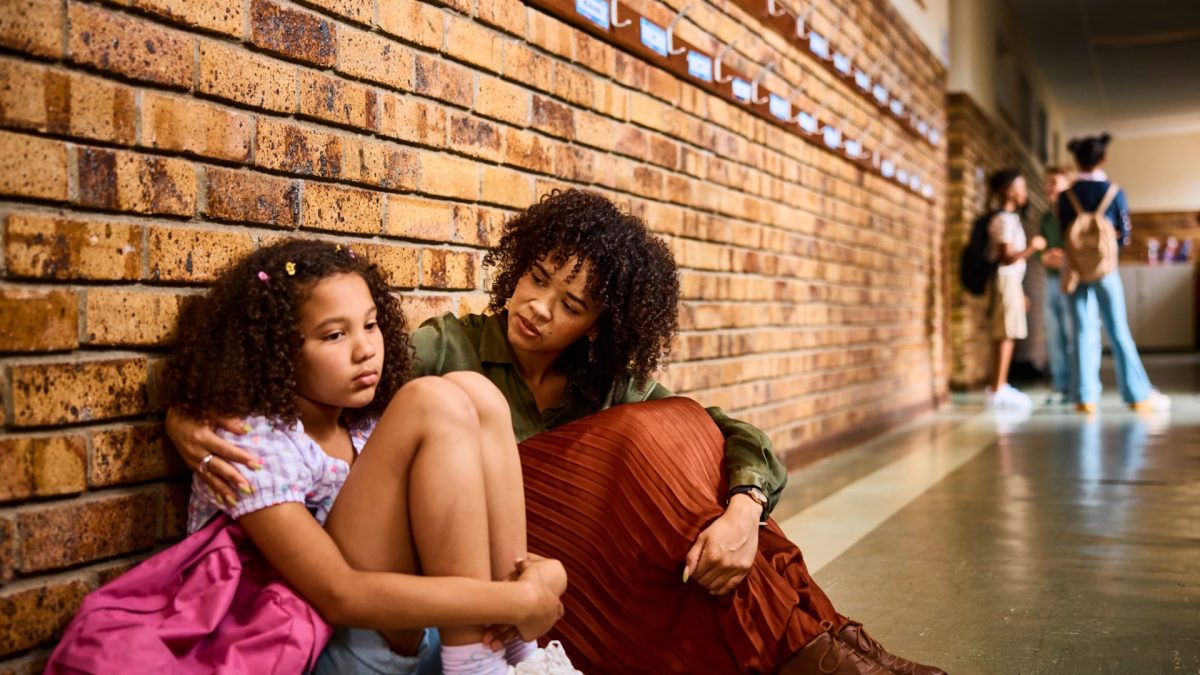
As children across the country return to school this week, there will be plenty of parents wondering the same things. Did they enjoy their day? Who did they play with? Have they made a friend? It’s understandable. Few things worry a parent more than the thought of their child being lonely. But new research suggests we need to take childhood loneliness much more seriously, and tackle it much earlier on. A report from the Institute for Public Policy Research (IPPR) has found that one in 20 young people aged 11 to 24 in England now says they have no close friends. A decade ago, that figure was one in 100. Among 16 to 21-year-olds, the proportion with at least three close friends has fallen from 85 per cent in 2012-14 to 72 per cent in 2023-25. These are stark figures. While the report points to a range of factors behind this growing disconnection – including social media, the legacy of Covid and the decline of youth services and community spaces – we should also ask how parents could be contributing to this. Parents, of course, cannot be held solely responsible for a youth loneliness epidemic. But we are trying to tackle the problem too late, and without meaning to, parents are often part of the problem. I’ve worked with children and families for more than 30 years, and if there is one thing I’ve learned, it’s that the foundations of friendship are laid long before children become teenagers. A toddler who is learning to take turns, a preschooler negotiating over a toy, or a five-year-old working out how to join a game is already learning some of the skills they will need for relationships throughout their lives. Sharing, listening, compromising, coping with disappointment, recognising another person’s feelings and, importantly, repairing a relationship when things go wrong. These are the early building blocks of friendship. Yet, as parents, without meaning to, sometimes we get in the way. Our instinct to protect is powerful. If our child is upset because another child won’t play with them, we want to fix it. If they fall out with a friend, we want to know what happened and intervene. If they don’t seem to have a best friend, we worry. So we arrange a playdate, contact the other parent, speak to the teacher or step in to negotiate the dispute. Sometimes that is exactly what is needed. A child who is being bullied or persistently excluded should never be expected to resolve that alone. But there is a difference between protecting a child from harm and protecting them from the ordinary difficulties of relationships. Children need opportunities to discover that not everyone will want to play with them. That they won’t always get their own way. That friendships can be complicated and that saying sorry, listening and compromising can sometimes repair them. If adults constantly smooth over these experiences, children lose opportunities to practice the very skills they will later need to navigate friendships independently. That is why I think we need to start talking about loneliness much earlier than the teenage years. By adolescence, smartphones and social media have transformed how young people communicate, which makes it much harder to teach a teenager how to navigate a friendship when they are already struggling to find one. Children today can communicate with dozens of people without ever having to navigate the awkwardness of actually being together. That matters because some of the things that make friendship difficult – approaching someone, reading their body language, resolving a disagreement, tolerating silence or simply working out what to do together, are also the things that teach us how relationships work. Children also need places to meet each other. Parks, libraries, sports clubs, youth centres and community groups are all part of the infrastructure of childhood. But we cannot tell parents to get their children off their phones and socialise more while simultaneously removing the affordable, accessible places where they can actually do that. The Government has a role here. If we are serious about tackling loneliness, investment in the places and services that allow children and young people to build real-world relationships should be part of the solution. So as the new school year begins, perhaps instead of immediately asking, “Who did you play with?”, we could ask, “What was the best part of your day?” If they tell us they spent lunchtime alone, we shouldn’t panic. Listen. Find out whether it is something they are comfortable with or whether they are desperately unhappy. Speak to school if there is a persistent problem. Ultimately, we cannot protect our children from every rejection, disagreement or lonely moment. Nor should we try to. But the work starts early on. Are we giving them the skills, confidence and opportunity to find their people? And, just as importantly, are we giving them the chance to become somebody else’s?
How you might be accidentally sabotaging your children’s friendships
Full Article
Original Source
Read the full article at Inews →KhanList aggregates and links to publicly available news content. We do not host full articles from third-party sources. Always verify important information with original sources.