
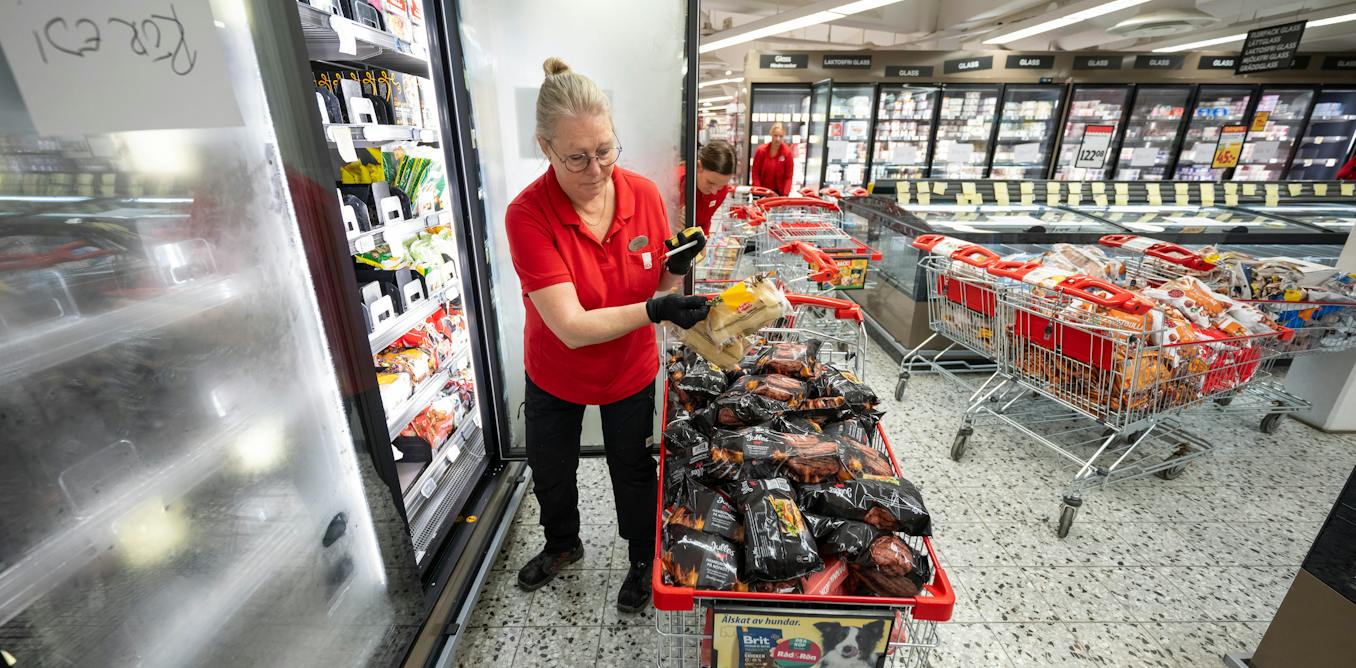
A new day, a new cyberattack. The most recent is an attack that impacted 178 major websites, including those of the BBC, CNN, Zoom, HSBC, Salesforce and Equifax. This follows a series of cyberattacks and disruptions over the last two months — most notably on supermarkets throughout Europe. A series of attacks in France during October raised refrigerator and freezer temperatures to 50 C in more than 350 supermarkets. Overnight, large amounts of food spoiled, equipment overheated and fires were reported. Affected stores had to discard food and temporarily close. Similar attacks and disruptions were then reported across several countries in November, including Ireland, Sweden, the Netherlands, Belgium, Estonia, Finland and Luxembourg. In all of these cases, hackers remotely reprogrammed internet-connected temperature controls. They switched evaporators to defrost mode, raising temperatures beyond safety limits. These simple changes impacted physical equipment, businesses and people. How will the next cyberattack unfold, and where? Our industrial critical infrastructure offers many targets — from blood banks to chemical manufacturing plants, nuclear reactors, aviation and other transportation systems and wastewater treatment facilities. The potential consequences are vast. Our team at the Cyber Security Evaluation and Assurance (CyberSEA) research lab at Carleton University has simulated cyberattacks on a Canadian municipal wastewater treatment facility to identify the most serious consequences. We have also mapped out seven dimensions for understanding cyberattack impacts. The vulnerability of critical infrastructure Critical infrastructure refers to 10 broad sectors including energy and utilities, water, health, transportation and food. Systems in these sectors provide essential services. Connecting the systems to the internet improves efficiency, but can also expose such services to modern cybersecurity threats. A cyberattack in France on Nov. 4, 2026 attempted to raise temperatures to extremely high levels at several blood banks but was thwarted before it could do any damage to blood products or samples. The French Blood Establishment headquarters is pictured here in Saint-Denis, outside Paris. (AP Photo/Christophe Ena) Cybersecurity analysis tends to focus on attacks and how they could have been prevented. Cyberattack impact analysis, on the other hand, looks at what happens after a system is compromised — which operations are disrupted, how the effects spread and who or what might be harmed. A supermarket is more than its refrigerator temperature controls. It’s a system involving food, equipment, employees, customers, business continuity and public confidence. Similarly, a water utility contains pumps and software but also protects a wider system of treatment processes, public health, the environment and access to safe water. Cyberattacks on critical infrastructure radiate impact through all of our lives. Learning from wastewater systems Wastewater treatment provides a good example of the far-reaching consequences of a cyberattack. The Metro Vancouver Regional District’s North Shore Wastewater Treatment Plant project is seen under construction on Sept. 1, 2026. THE CANADIAN PRESS/Darryl Dyck When we simulated cyberattacks on a Canadian municipal wastewater treatment facility, we found this could force equipment to operate excessively or near safety limits. It could also increase chemical consumption, push the plant into costly contingency modes or interfere with chemical dosing. The most serious scenario involved discharging under-treated wastewater into the city’s river. This might seem extreme, but something similar has already happened. In 2000, a former employee attacked the Maroochy Shire wastewater system in Australia. He remotely interfered with sewage pumping stations, preventing pumps and alarms from operating properly. Over three months, millions of gallons of untreated sewage entered waterways and local parks. 7 dimensions of impact Our recent research identifies seven dimensions for understanding the consequences of cyberattacks. The supermarket attacks across Europe illustrate all seven. Operational impacts occur when a system cannot perform its intended function, while physical impacts involve changes or damage to equipment and materials. In the supermarkets, altered temperature controls disrupted food preservation, equipment overheated and food spoiled. The consequences can then spread beyond the system. Safety impacts expose people to hazards, such as fires or unsafe food. Environmental impacts harm air, water, land or ecosystems — such as discarded food creating additional waste. Economic impacts include lost products, equipment repairs, downtime and lost customers. Broader consequences may also emerge. Societal impacts disrupt communities or their access to important goods and services, such as fresh food. Reputational impacts arise when people lose confidence in an organization or service, for example, due to concerns about food safety. These dimensions are connected. One disrupted operation can produce several impacts at once, some continuing after the technical problem has been resolved. People walk by a departures board after a cyberattack caused delays at Brussels International Airport in Zaventem, Belgium in September 2025. (AP Photo/Harry Nakos) Preparing for consequences We may not know how the next cyberattack will unfold. But we can prepare for unsafe water, damaged equipment, environmental harm, interrupted services, financial losses and diminished public trust. Impact analysis helps decision-makers ask practical questions: Which consequences are unacceptable? Where are additional safeguards needed? Who must respond when safety or environmental harm occurs? Which services must be restored first? The goal is not merely to keep attackers out of computer systems. It is to keep essential services working when cyber-defences fail.
How we can prepare for future cyberattacks on critical infrastructure
Full Article
Original Source
Read the full article at Theconversation →KhanList aggregates and links to publicly available news content. We do not host full articles from third-party sources. Always verify important information with original sources.