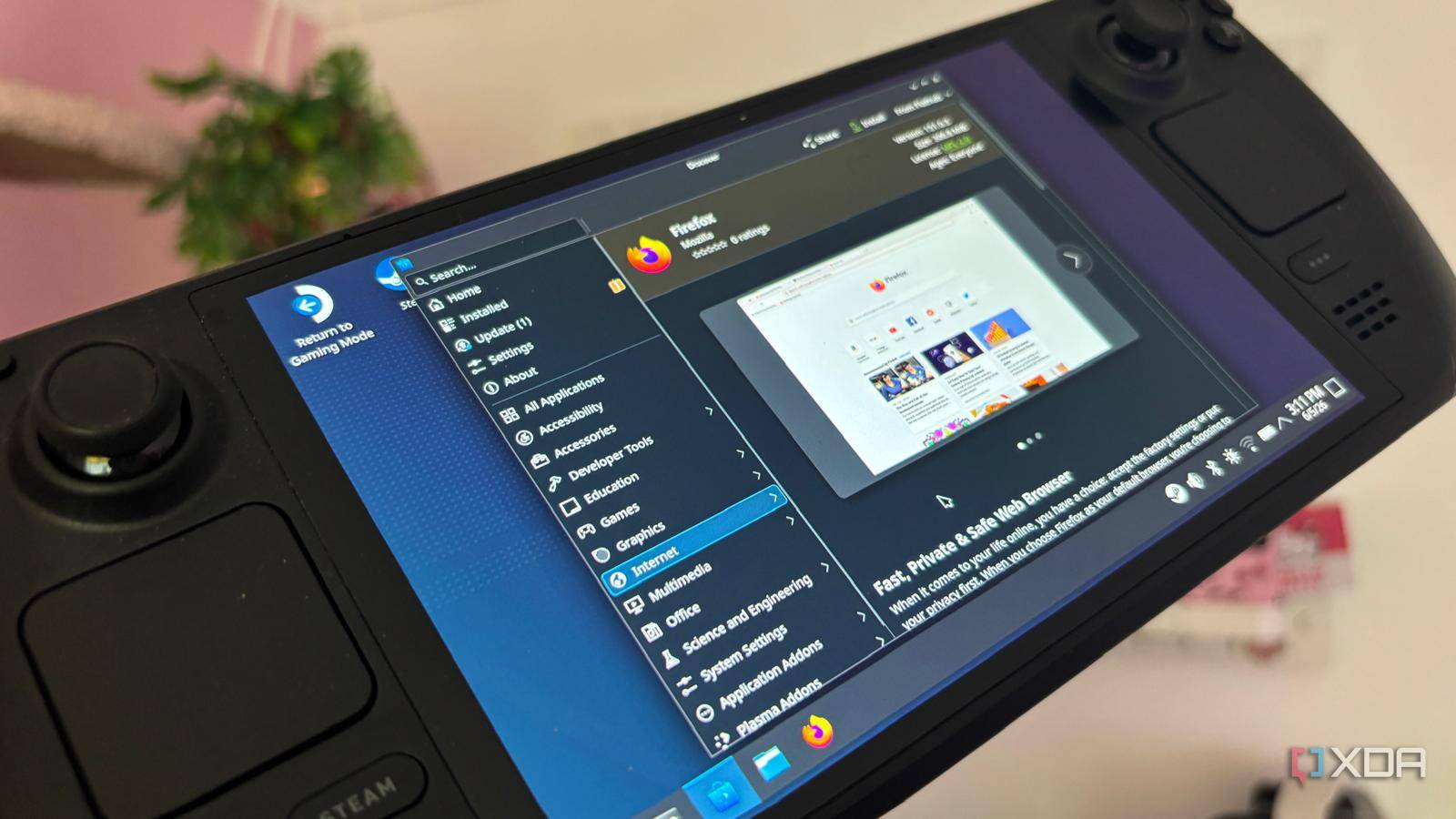
Published Jul 25, 2026, 12:30 PM EDT Simon is a Computer Science BSc graduate who has been writing about technology since 2014, and using Windows machines since 3.1. After working for an indie game studio and acting as the family's go-to technician for all computer issues, he found his passion for writing and decided to use his skill set to write about all things tech. Since beginning his writing career, he has written for many different publications such as WorldStart, Listverse, and MakeTechEasier. However, after finding his home at MakeUseOf in February 2019, he would eventually move on to its sister site, XDA, to bring the latest and greatest in Windows, Linux, and DIY electronics. Sometimes, something you start as a last resort ends up becoming a huge part of what you do. Such is the case with Valve, which first entered the Linux market in desperation to escape Windows 8. What originally started as a gaming company trying to ensure it could stay afloat ended up making it one of the most important Linux companies in the world. Valve's pivot to Linux began due to concerns about Windows 8 It wasn't originally meant to be a huge game-changer The story of Valve's adventure with Linux began because its CEO, Gabe Newell, had some huge concerns surrounding Windows 8's direction back in 2012. Newell was concerned that Microsoft was taking too much control over the PC scene, which would threaten companies that rely on it, such as Steam. Here's how Newell described the situation: "I think that Windows 8 is kind of a catastrophe for everybody in the PC space. I think that we're going to lose some of the top-tier PC [original equipment manufacturers]. They'll exit the market. I think margins are going to be destroyed for a bunch of people. If that's true, it's going to be a good idea to have alternatives to hedge against that eventuality." Thus, Valve moved into the Linux scene and began tinkering with their new home, called SteamOS. What would originally begin as Valve's gambit against Windows 8 would eventually become a huge staple in the Linux scene. Valve helps solve Linux's "chicken and egg" issue with app compatibility It wasn't originally meant to be a huge game-changer So, Valve was making its new home within the Linux ecosystem to protect it from big business influence. There was just one problem: gaming on Linux wasn't particularly great at the time. Gaming on Linux was locked in a nasty "chicken and egg" problem. Game developers refused to invest time and money into making a Linux-compatible version of their game, because gamers didn't use Linux; they used Windows. Similarly, gamers on Windows didn't bother using Linux, because developers weren't making games for it. The solution was to create a system where developers didn't have to make a Linux version of their game. They could develop it for Windows, and Valve's software would take the game and 'translate' it into something Linux operating systems could understand. That solution was called Proton, and it opened the door for people to play their favorite games on Linux. Developers didn't need to lift a finger, and gamers didn't have to perform a ton of workarounds and fixes just to get the game running on their system. Proton is still in use today, and it plays a massive part in getting games running on devices like the Steam Deck and Steam Machine. Valve begins giving its technology back to Linux Valve understood the value of "give and take" As Valve began making itself comfortable in the open-source operating system scene, it began cracking some nasty problems that came with Linux and graphical rendering. Instead, Valve began upstreaming its changes, meaning that the entire Linux ecosystem could enjoy the fruits of its labor. Valve's focus on gaming meant it wanted to help out with graphical rendering on Linux. At the time, Linux distros were at the mercy of GPU manufacturers and their drivers. Companies like Nvidia and AMD released their drivers with a Windows focus, and the community had to scramble to make something that worked with Linux. Valve deployed its engineers to help with a project called RADV, an open-source Vulkan driver for AMD GPUs. Their added manpower made the driver so effective that it started outperforming AMD GPUs on Windows using official drivers. Valve also poured engineering weight into upgrading Linux from the old X11 display protocol to Wayland. Valve is now sharing SteamOS for everyone to use It has the potential to bring a Linux distro into the mainstream One of the biggest dreams the Linux community has is seeing a distro hit the mainstream. We're always hoping for the "year of Linux" to arrive, where everyone hops onto the FOSS scene and doesn't look back. While we haven't seen a specific distro bring Linux to the masses, Valve has been working hard on making SteamOS work well on PCs, and it started with the new Steam Machine. However, Valve has shown that it wants to bring its operating system past its own devices, allowing anyone to download and install it on their computers for free. I honestly believe SteamOS is the biggest shot Linux has at seeing some mainstream attention. If Valve can make SteamOS do everything Windows devices can do but without the ~$100 licence fee, then people won't want to keep paying up for Microsoft's software. Given how SteamOS has a huge focus on gaming, I can imagine a future where people opt for a SteamOS PC over a Windows one for maximum performance. What started as a haven became a huge part of the Linux scene Despite not starting out as a Linux-based company, Valve has accidentally become a key part of the scene. And with SteamOS now becoming a viable OS on people's PCs, we may see a Linux distro go mainstream yet.
How Valve's desperation to escape Windows 8 turned it into a Linux powerhouse
Full Article
Original Source
Read the full article at Xda-developers →KhanList aggregates and links to publicly available news content. We do not host full articles from third-party sources. Always verify important information with original sources.