
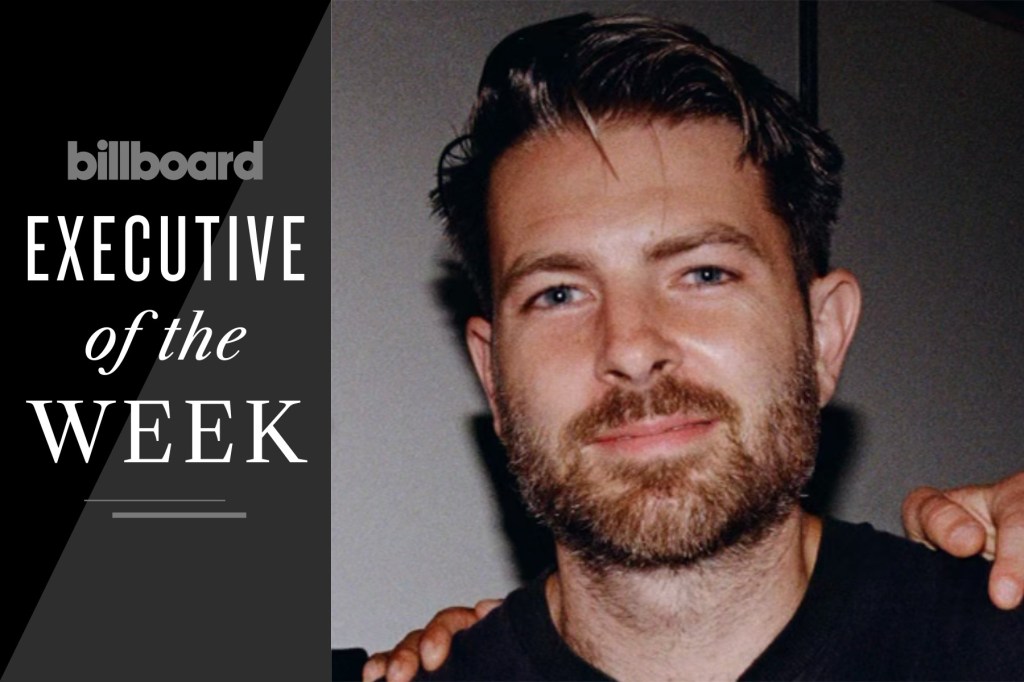
On Saturday, Oct. 24, Baltimore hardcore band Turnstile pulled off one of the most impressive feats for any act of any genre in recent memory: a free show at the Washington Monument in the nation’s capital for over 60,000 fans that doubled as a fundraiser that brought in more than $260,000 in humanitarian relief funding for those affected by conflict in Palestine, Sudan and Lebanon. It was a massive undertaking, and a massively successful one, for a band that has grown into one of the more critically-acclaimed acts on the music scene right now. In 18 months, the band scored its first top 10 on the Billboard 200, with 2025’s Never Enough; won two Grammys, for best metal performance and best rock album; and became the first hardcore band in 45 years to play Saturday Night Live, a slew of milestones that were once hard to imagine. And the show last weekend, within earshot of the power center of the country, constitutes the biggest hardcore headlining show ever, much less one that was also for a good cause. And all that momentum helps earn the band’s manager, Gold Theory Artists founder James Vitalo, the title of Billboard’s Executive of the Week. Related Here, Vitallo — who also manages Knocked Loose, Boy Harsher, Deafheaven and Show Me The Body — talks about how that show came together, the huge success for the band over the past year-plus, and why the show was such a landmark for the group. “It came together through years of planning with an amazing team, including the rest of our management crew and booking agency,” Vitalo says. “Our road crew helped bring it all to life on the ground and create the kind of environment we wanted for everyone. We worked through every obstacle together, knowing that if we could pull it off, we could bring people together and turn that sense of community into something that could do real good.” Related This past weekend, Turnstile played a free show at the Washington Monument that drew 60,000 people and raised over $260,000 in humanitarian relief for families in Palestine, Sudan and Lebanon — the biggest hardcore headlining show ever. What key decision did you make to help make that happen? The biggest decision was to stay the course when things got hard. There were plenty of moments when the practical thing would have been to scale it back or go in a different direction. My role was to keep us committed to the vision and make sure we didn’t let other outside variables talk us out of taking such a high risk. We knew that if we pulled it off, it could bring a lot of people together and help a cause that we stand behind. My approach to managing bands is rooted in helping bring a shared vision and a shared dream to life. Sometimes logic and dreaming go to war with each other. That doesn’t mean ignoring the challenges, but being willing to work through them together because you believe in what’s on the other side. The show was free to attend, but it certainly wasn’t free for the band. It took a real commitment of time, resources and energy, and it was years in the making. The band was behind it, and so many people across our team helped get it over the finish line. It took a village of dedicated people who believed in the idea and were willing to see it through. What was the idea behind the show, at that particular location, and how did it come together? The idea was to bring as many people together as possible through a free event, celebrate the community Turnstile has built, and put a spotlight on some of the most vulnerable communities around the world that need our help. With the band coming from the Baltimore/D.C. area, it also felt like a homecoming. We started this album cycle with a free record release show at the Wyman Park in Baltimore, so coming back to the area after wrapping part two of the tour felt like bringing everything full circle. We’ve done a lot of amazing things together over the last few years, but this show felt like a culmination of everything the band has been working toward. They were willing to do whatever it took to keep it free and use it to bring attention to human rights issues we all care deeply about. We grew up in the hardcore scene, and one of the core values we took from that is that when you see suffering and injustice, you don’t just look past it. You try to find a solution and fight for it. We know we can’t change the whole world, but we can change our part of it. Doing that together, within earshot of the White House, was a big part of what this show was about. Related What has been the response to the show and what will you do with the money raised? The response to the show has been incredible. It feels like it’s given a lot of people hope and shown what’s possible when a community comes together. We’ve raised close to $300,000, and donations are still coming in. All of that money will go to Human Concern International to help provide food, shelter, medical support and essential care for children in Gaza, Sudan and Lebanon. You can head to http://ashowindc.com for more information on the work they’re doing and how to continue to support. This came on the heels of the band’s appearance on Saturday Night Live — the first time a hardcore band played in the past 45 years. What is the significance of that for you, and how can it help the group? A hardcore punk band called Fear played SNL in 1981, and footage of that performance is something a lot of us grew up watching and cherishing. For Turnstile to follow in those footsteps, coming from the same community, was a dream come true. It was a chance to reach people who might not otherwise find the band, and it’s exciting to think that performance could be someone’s entry point into hardcore. For us, it also reinforced the belief that we can stay true to where we come from and still be part of opportunities on that scale. With these performances, as well as the Grammy wins earlier this year and all the momentum built across 2026, what’s next for the group? We feel really proud of everything we’ve accomplished so far. We like to keep our future plans close to the chest, but we’re more motivated and inspired than ever to keep building on what we’ve started together. Related How has the job of a manager evolved over the course of your career, and how do you see it continuing to change moving forward? Over the course of my career, the stakes have gotten higher as the artists have grown. There are more moving parts, more factors to consider and more variables up in the air. Having solid systems in place is really important so the logistics don’t dominate our headspace and keep us from pushing things forward. With so much happening in the world that’s out of our control, my role is thinking a few steps ahead, protecting my artists while helping create the space for them to take chances and do things that matter. The trust we’ve built over the years is what allows us to move with conviction when those moments come, knowing we have the right support around us to see them through.
How Turnstile Pulled Off Its Massive Washington Monument Benefit Show: ‘It Took a Village’
Full Article
Original Source
Read the full article at Billboard →KhanList aggregates and links to publicly available news content. We do not host full articles from third-party sources. Always verify important information with original sources.