
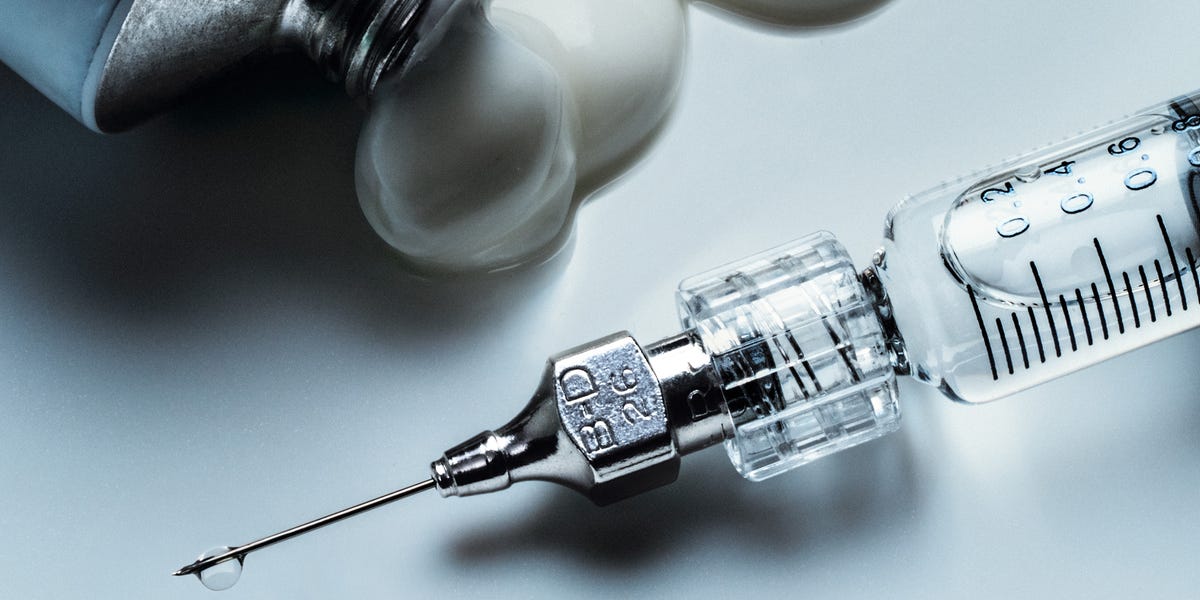
5 min readTreating adult acne can feel like one big science experiment—until now. This is the guy’s guide to adult acne. Read the rest of the stories here.EVERYONE KNOWS NOT to squeeze a pimple, so what’s a grown-ass man supposed to do to clear his acne? Consider this your official guide to treating breakouts at home or with the help of a dermatologist.At HomeBelow are the most effective ingredients available in over-the-counter (OTC) acne products. Use ’em daily to keep breakouts at bay and combine them for the best results…provided your skin doesn’t freak out. Whether you use an ingredient in a cleanser, toner, serum, moisturizer, or as a targeted spot treatment depends on what your skin can handle.Salicylic AcidAs a beta-hydroxy acid (BHA), salicylic acid gently exfoliates dead skin cells and dissolves excess sebum that can clog pores, says Joshua Zeichner, MD, a dermatologist at Mount Sinai Hospital. It can be effective in facial cleansers, toners, serums, moisturizers, or spot treatments, but a body wash is ideal for larger areas like the back or chest. You’ll spy the ingredient in 0.5% to 2% concentrations, though the latter is considered most effective for acne-prone skin.Best For: Blackheads and whiteheadsTry: CeraVe BHA Exfoliating TonerBenzoyl PeroxideBP is a winner because it “lowers the levels of acne-causing bacteria and has some anti-inflammatory effects,” Dr. Zeichner explains. It can be irritating, so use a lower percentage (2.5% to 10% is the FDA-approved range) for a leave-on product, and a higher concentration for a rinse-off product.Best For: Inflamed, red pimplesTry: Neutrogena Evenly Clear Acne Cleansing MaskSulfurNo, you won’t smell like rotten eggs—and if you think of yourself as the sensitive type, sulfur (at 3% to 10%) is a solid, nonirritating option that absorbs oil, inhibits bacteria growth, calms redness, and mildly exfoliates. It’s a popular ingredient in spot-treatment products and face masks.Best For: Blackheads, whiteheads, and mild red bumps on sensitive skinTry: The PanOxyl Pore Refining Acne MaskAdapalene Once available only by prescription, adapalene is a dermatologist favorite, even at its 0.1% OTC concentration. Like other topical retinoids such as retinol, which speed skin cell turnover and stimulate collagen production, it also has anti-inflammatory properties. (Bonus: As a vitamin A derivative, it can help reduce fine lines and wrinkles too.)Best For: All types of acne on mature skinTry: Differin Epiduo Acne GelGlycolic AcidOf all the alpha-hydroxy acids (AHAs) out there, glycolic acid can be a great option for someone who is acne prone, says Dr. Zeichner. Much like salicylic acid, glycolic acid removes dead skin cells and loosens excess sebum to de-gunk pores. Unlike salicylic acid (and other BHAs), it doesn’t get as deep into the pores. AHAs work primarily on the outer layers of the skin.Best For: Whiteheads and blackheadsTry: Obagi Medical Clenziderm M.D. Resurfacing Multi-Acid Peel PadsAt the Doc’s Office Severe acne like deep, painful nodules and cysts will almost always require help from a dermatologist. Depending on the type and severity of your breakouts, these are some of the most common solutions, which you’d pair with a simple at-home skin care routine (cleanser, moisturizer, and sunscreen).Topical TretinoinA commonly prescribed topical Rx for comedonal acne (whiteheads and blackheads), this ingredient is a more potent vitamin A derivative than adapalene and could cause irritation. Most derms recommend starting slowly with a pea-size amount for your entire face once or twice a week and then gradually working up to nightly use.Oral AntibioticsAnother first-line treatment are meds like doxycycline or minocycline, says dermatologist Kavita Mariwalla, MD. “These work by reducing bacterial counts in the pilosebaceous glands and are anti-inflammatory,” she explains. But they’re not a permanent solution: Dr. Mariwalla says most derms will keep patients on antibiotics temporarily (she reevaluates every eight weeks) until they begin to see results from their topical treatments (she often pairs antibiotics with topical tretinoin), which can take up to three months.Oral IsotretinoinAfter antibiotics, this med (also known as Accutane) is the “next step up in the acne treatment pyramid,” says Dr. Mariwalla. It works by shrinking oil glands to reduce the likelihood of pore clogs that lead to acne. The most common side effects are dry skin, chapped lips, and dry eye. More serious issues, including a risk of birth defects and depression and anxiety, means your doctor will likely monitor you closely if you go this route. To mitigate these side effects, your doc may start you on a lower dose than what your weight would typically dictate—commonly known on TikTok as “microdosing Accutane.”Anti-Androgenic DrugsSpironolactone is one of the most common oral forms of these androgen-blocking medications and is typically reserved exclusively for women. (It can cause decreased libido and breast enlargement in men.) But Dr. Mariwalla says she’ll sometimes prescribe a topical version—another active called clascoterone, which goes by the brand name Winlevi—to treat red, inflamed bumps. It slows the skin’s natural oil production to help keep pimples from forming.AviclearThis oil-quelling FDA-cleared laser treatment—the first of its kind—offers an alternative to Accutane. It uses a precise wavelength of laser light to target sebum-producing glands. While effective, it can be pricey (up to $1,000 per treatment), requires several sessions, and may require maintenance treatments, Dr. Mariwalla says.Cortisone ShotsIf you’ve got a whopper of a zit (a deep cyst or nodule) and a date or a big meeting to attend, dermatologists will sometimes inject cortisone to calm inflammation and quiet redness in a hurry. It’s important to note, however, that “this is a bandage, not a treatment for your acne,” says Dr. Mariwalla. “It’s effective for cysts but not acne that’s already been picked at.” If you don’t want to pay up to a couple hundred bucks for a shot (depending on your insurance), see the “Pimple Emergencies” box below.Pimple Emergencies: Don’t squeeze! Apply a warm, damp washcloth for 10 to 15 minutes to help bring the pimple to the surface. Then apply a spot treatment with any of the OTC ingredients above. Do this daily until the pimple heals. If you’re not home, try rubbing some ice on it in 30-second intervals, then, if needed, apply a dash of 1% hydrocortisone cream to help with swelling and redness. (Pro tip: Keep this cream in your work bag to use sparingly and for no more than two to three days.) After, throw on a hydrocolloid pimple patch to aid healing or concealer to cover it.Brian Underwood is beauty director at Women’s Health, where he oversees content strategy for the brand across all platforms, including digital, print, and social. Underwood previously served as beauty and wellness director at Oprah Daily and O, The Oprah Magazine. During his tenure leading beauty content for the Oprah brand at Hearst, stories Underwood commissioned were awarded the Skin Cancer Foundation Media Award and a Fragrance Award for Editorial Excellence (his second). He was the launch Beauty Director of Dr. Oz THE GOOD LIFE, and has held additional editorial positions at Fitness, Organic Style, Good Housekeeping, Life & Style Weekly, and Woman’s Day and has written for Self, Shape, Seventeen, Redbook, Cosmopolitan, and many more. Underwood previously served on the Skin Cancer Foundation’s gala committee and as partnerships director of the Trans Beauty Clinic, a New York-based charitable organization that provided beauty services and workshops to the city’s trans community.
How to Treat Acne Like an Adult
Full Article
Original Source
Read the full article at Menshealth →KhanList aggregates and links to publicly available news content. We do not host full articles from third-party sources. Always verify important information with original sources.