
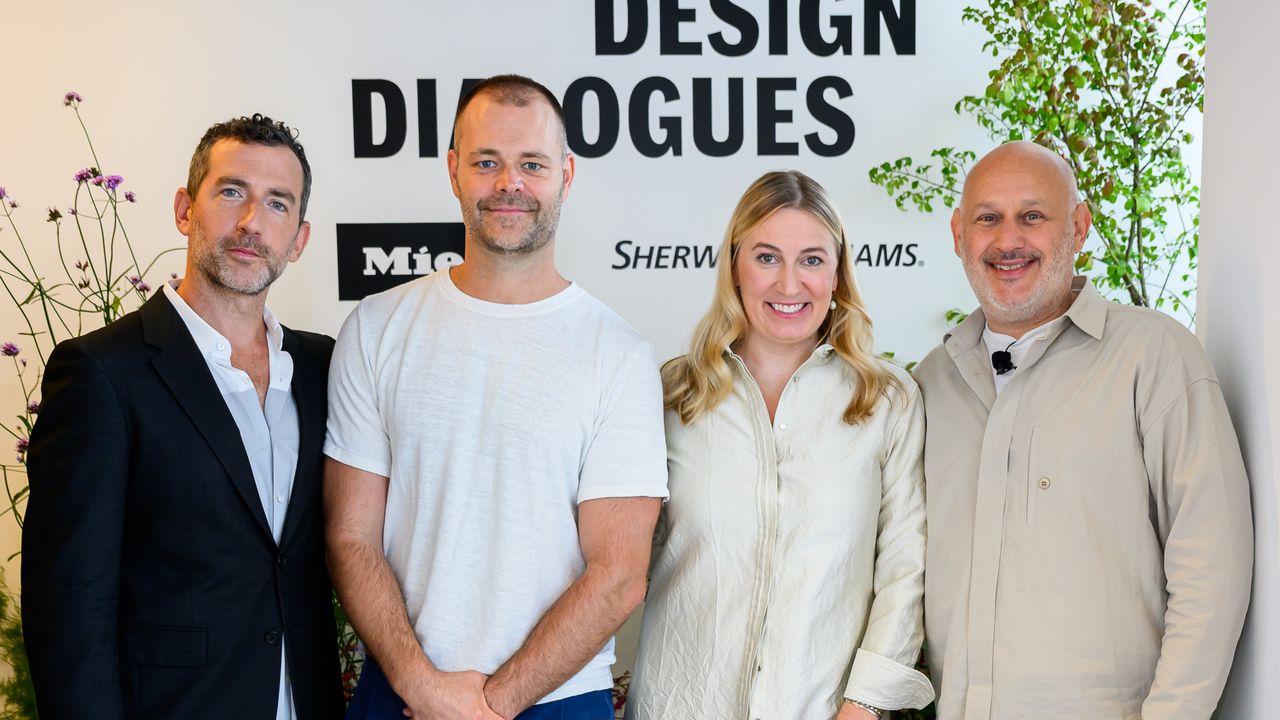
After the design work is completed, the furniture installed, and the happy homeowners settled, publishing a project in AD can help attract the kind of attention that leads to new work. However, for many designers, the pitching and publication process often feels shrouded in secrecy. When is the right time to pitch? What assets do editors need to review? Is the project a better fit for print or digital—and why?AD’s West Coast Editor Mayer Rus, Senior Design Editor Bebe Howorth, and Global Visuals Director Michael Shome, along with photographer and frequent AD collaborator Stephen Kent Johnson, shared their industry truths for the panel discussion Inside the AD Edit: How Great Projects Get Published at the AD PRO Design Dialogues summit on September 16.Watch the full video here; we’ve also gathered key takeaways from the talk below.Channel your inner art director and editor“When designers share their work, I look for photos that tell a story and give a glimpse of the personality of those who live there,” said Shome.A project photo should be “the best version of your work, not necessarily the exact way the clients live in it,” revealed Kent Johnson, who has shot projects from Hong Kong to Hawaii for AD. A professional interior stylist helps achieve the look, bringing in props, extra furniture, and accessories that keep the images engaging. A good photographer knows that an image set must include vertical and horizontal versions of every room, wide and detail shots, and homeowner portraits.Don’t skimp on the photographer“Building a relationship with a photographer is essential,” said Rus, explaining that it helps maintain a consistent aesthetic across your platforms. “The best marketing you will ever do and the best money you will ever spend is getting your work photographed for web or socials, whether or not a magazine wants to publish it.”Print versus digital? Consider the timelineRus made efforts to dispell any notion that AD’s digital home tours were less worthy. The old hierarchies, he explained, are long gone. “Increasingly, many designers are interested in digital because those stories get turned around much faster and up on our website and socials,” he said. After all, “I’m not 100% convinced that most readers make a distinction between a print or digital project.”Howorth concurs. “AD is in the business of storytelling,” she said. “We’re looking for one of two things, or possibly both: The story of a project and how it relates to the designer’s larger body or work or the story of how someone lives there.” One of the most significant differences is the schedule from pitch to publication. For digital, it can be a matter of weeks; for print, a matter of months. Digital stories often have a timelier hook, but there is also more flexibility for evergreen stories, added Howorth.Avoid corny visual clichés“There are certain clichés” that photographers might want to avoid, revealed Howorth. “Like the high heels next to the bed with one kicked over, like ‘Ooh, I just came back with a glass of Veuve Clicquot and jumped into this elaborately made bed!’”And think twice before using books as props“I would say another thing is bookshelves,” added Rus. “If your clients have asked you to design an elaborate walnut-paneled library but they’ve only got three Leon Uris paperbacks, don’t shoot it.” He added that designers often sent photos of bookshelves that have been clearly “styled for a shoot,” without a whiff of authenticity. For instance, he recounted, he sees many photos of nearly bare shelves “with three books flat with a vase on top of them.” As he put it, ”If you’ve got bookshelves, either fill them with books or don’t shoot it.”A good story always sellsWhether you personally submit a project for consideration to an AD editor or outsource the pitching to a public relations firm to pitch it on your behalf, the process is the same. “You don’t need PR to get my email, but [PR professionals] have an idea of what we do and what we need,” said Rus.“Overall, we’re looking for wow factor,” added Shome. The project “has to make an impact.”For more on how to Shoot and Pitch Projects for AD, see our full guide on the topic, How to Get Published: What AD Editors Want You to Know
How to Shoot and Pitch Projects for AD, According to Insiders
Full Article
Original Source
Read the full article at Architecturaldigest →KhanList aggregates and links to publicly available news content. We do not host full articles from third-party sources. Always verify important information with original sources.