
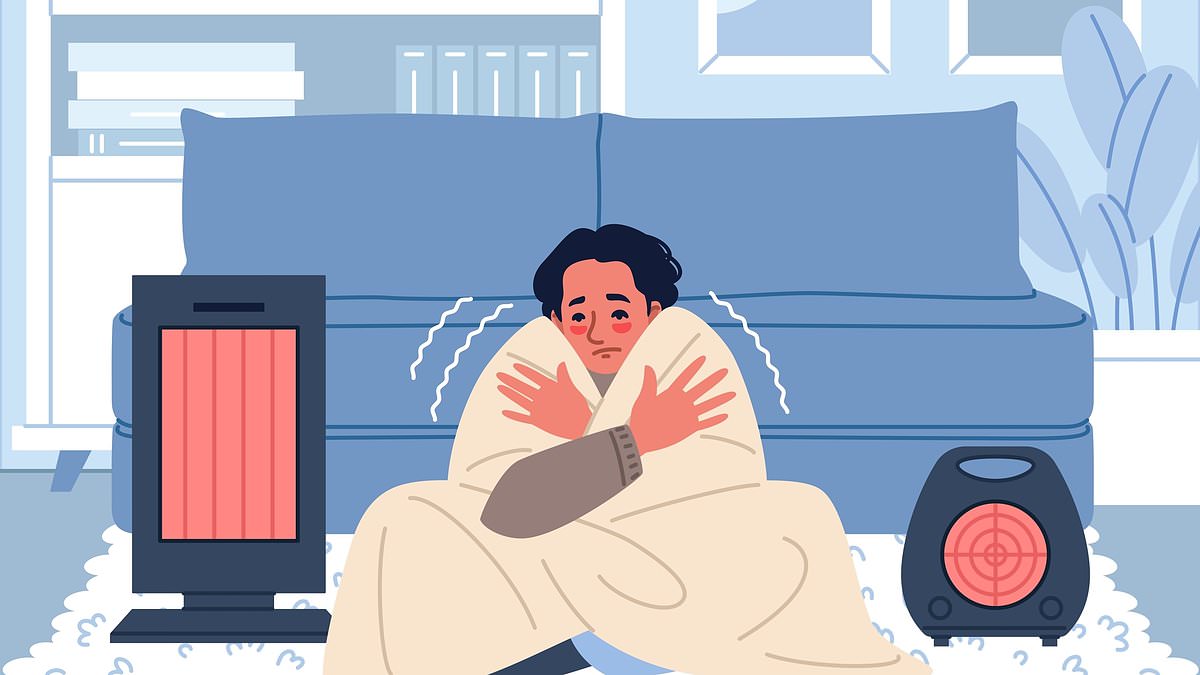
Millions of households are facing a huge increase to their energy costs with bills typically going up by 26 per cent from January next year - but there are ways that you can fight back now. The energy price cap, which sets the amount households can be charged for gas and electricity, will be increased by the regulator Ofgem from January next year. This cap affects the amount paid by those on standard variable tariffs, which covers around 60 per cent of households. If you haven't switched to a new fixed tariff for two years or more, you are probably on one of these deals. Bills will rise by around £443 per year for a household that uses the typical amount of energy and pays by direct debit. This will take their costs from £1,723 to £2,166. However, the price cap sets the cost of each unit of electricity or gas you use, not your overall bill. This means that cutting your usage will reduce the amount you pay.Insulating your home or getting a more energy efficient boiler are the most effective ways to slash your bills in the long term, but can cost thousands upfront.However, there are plenty of simple ways you can cut your energy usage today without needing to spend a lot of money – here are some of the best. Saving money: Some households will be seeking to cut their electricity and gas usage in the new year as Ofgem's energy price cap will rise by 26% to about £2,166 for a typical homeDraught proofStopping draughts is one of the easiest ways to reduce your energy bills. Especially in older homes, heat escapes through doors, windows and walls. Preventing this traps more heat inside meaning that you may be able to turn the heating on for shorter periods or at a lower temperature without your home feeling cooler.You can buy self-adhesive draught seal tape from DIY shops for around £6 and stick this in the gaps around your windows and doors. Silicone draught excluders can also be bought for the bottoms of doors, or you can make one yourself with old clothes or fabric.To test where the cold air is coming from you can light a candle and carefully move it around the area where you suspect there is a draught. If the flame flickers – or goes out – there is a good chance you have found the source.Letterboxes can also allow warm air to escape outside, but a £13 brush-insulated letterbox should solve this problem.If you have single-glazed windows, you can cover them with a plastic film that creates a similar effect to double glazing.Called secondary-glazing plastic film, it can be cut to size and costs around £3.89 a metre. A typical home will lose up to 15 per cent of its heating through the window.Bleed your radiatorsIf radiators aren’t bled regularly, this creates cold spots where the water is not circulating properly. This means your boiler has to work harder to heat your home, which pushes up bills. Using a key to bleed them can cut your bills because it means radiators heat up faster. Changes to energy price cap per unit and standing charge ELECTRICITYJanuary to March 202732.69 pence per kWh54.77 pence daily standing chargeOctober to December 202626.32 pence per kWh54.83 pence daily standing chargeGASJanuary to March 202710.96 pence per kWh29.65 pence daily standing chargeOctober to December 20267.97 pence per kWh29.68 pence daily standing charge Heating oil supplier Your NRG says that doing this could save £100 per year for a typical household. If you are not confident you can find practical guidance on Youtube. You could also consider using reflective radiator panels, which cost about £25 for a roll from DIY stores, to reflect more heat back into the room. Installing them could save around £18 a year, according to the Energy Saving Trust. This only works on radiators that are on external walls, and using tin foil is less effective. Simply moving the furniture around in your rooms can help as well. For example, sofas are often put in front of radiators, but this wastes heating the back of the sofa instead of the room. Keep furniture away from radiators to help the heat better circulate around the room. Reduce your boiler flow temperatureThe boiler flow temperature determines how hot the water is when leaving your boiler and turning yours down could save you money. Most boilers have flow settings of between 70 and 80 degrees when first installed. This can be much hotter than required to heat your radiators.But be warned, as setting the temperature too low can encourage the build-up of harmful bacteria such as legionella pneumophila, which causes Legionnaire's disease. According to the Energy Saving Trust, it shouldn't be set below 65 degrees on a conventional (not combi) boiler. Turning down the flow temperature could cut your gas bill by around 9 per cent. Turn your thermostat downTurning the thermostat down by one degree, from 22 degrees to 21 degrees, could save £120 per year on your gas bill according to the Energy Saving Trust. For most people, a comfortable temperature is between 18 and 21 degrees – but this may need to be higher for elderly people, babies and children and those with certain health conditions. Heat yourself, not the roomIf you spend most of your time in one room, heating just the space you are in – or even better, just heating your own body – can be much more cost-effective than switching the heating on.Modern electric blankets are cheap to run and could cost as little as 5p for two hours, according to Uswitch. These can be bought from retailers such as Dunelm, Amazon or Argos for between £25 and £100.Boiling the kettle with enough water to fill two hot water bottles costs about 13p. Electric heaters can be expensive to run, but could still save money if you use one in one room as an alternative to switching the central heating on for the whole house. An average electric fan heater uses 2kW of power on average per hour and costs £1.05 to run for two hours, according to price comparison website Uswitch. If you keep yours on for four to eight hours a day, that's £2.10 to £4.20 a day.Plugging in an electric heater for several hours is likely to be more expensive than turning the heating on.However, if you have a large or draughty home which leaks heat easily, using an electric heater for concentrated warmth in one room – for example by your desk if you are working from home – could be more cost effective.There are a few caveats to this. The NHS recommends that rooms you use regularly are heated to at least 18C in cold weather.And even if you don't use a room often, letting it get very cold for long periods can result in mould and damp issues, especially in older homes.Switch your energy deal The most sure-fire way to reduce your bills is to choose an energy tariff that is cheaper than the price cap. There are still deals available that could save you more than £300 per year compared to January's price cap, but these could start to disappear now the new price has been confirmed. You can find today's best deals using This is Money's regularly updated guide to switching your energy bills. You can also use our energy comparison service with Uswitch to enter your address and energy use to see exactly which tariffs you are eligible for and whether they could save you money. Even if a deal is not cheaper than today's price cap, it could still save you money come January – and beyond that if the price cap rises again in April. Make sure you get help you're entitled toThe government will pay a £100 energy support payment to homes in council tax bands A to D this winter, it has announced. If you qualify the money will be paid direct to your bank account from January 4 in England. Wales is planning a similar scheme.Meanwhile, Winter Fuel Payments worth up to £300 will be issued automatically to pensioners.Beware that any text or email message saying you need to apply or provide personal information or bank details is a fraud attempt.There is also a Cold Weather Payment if you get certain benefits and the temperature drops to zero degrees celsius or below for seven days in a row. The Warm Home Discount gives you £150 off your bills if you get pension credit or live in a low-income household, and you may also be eligible for help from your local council. Can you save money on energy bills? Check the best fixed deals Energy bills are rising due to conflict in the Middle East and forecast to jump substantially again in January 2027. But it is still possible to switch to fixed-rate energy deals that can save you money and lock in far lower prices. This is Money's recommended partner Uswitch lets you compare the best energy deals for you, based on your home and gas and electricity costs.> Check the best fixed-rate energy deals with Uswitch and This is Money*By entering your address and energy usage, you can search for energy deals that can cut your costs and suit how you live.Switching energy provider can also help the planet, if you move to one of the green deals offering electricity from renewable sources and more environmentally friendly gas.> Read our guide: Best fixed energy deals that beat the price cap *Affiliate links: If you take out a product This is Money may earn a commission. This does not affect our editorial independence.
How to save money on your energy bills TODAY to protect yourself from January's punishing price cap rise
Full Article
Original Source
Read the full article at Dailymail →KhanList aggregates and links to publicly available news content. We do not host full articles from third-party sources. Always verify important information with original sources.