
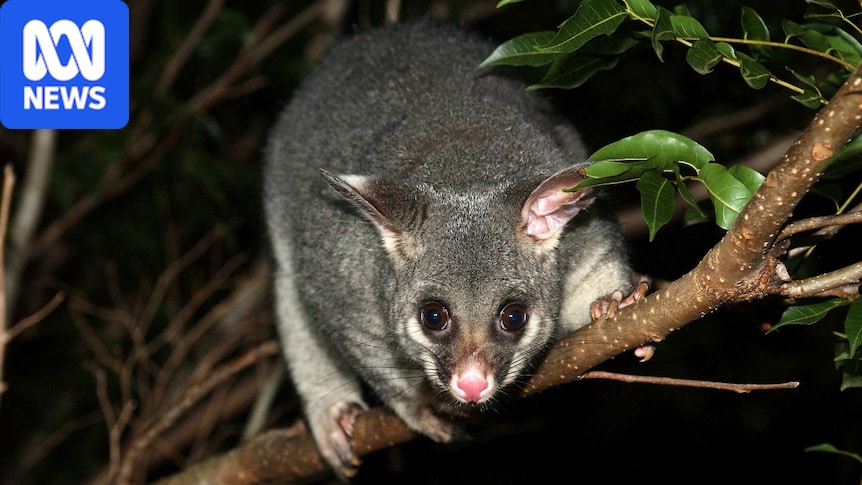
Possums are highly polarising animals, with people either describing them as cute backyard visitors or noisy home invaders wreaking havoc on gardens.If you're growing your own veggies, fruit and flowers there's nothing more disheartening than finding chewed off crops and stems destructed by the pesky nocturnal marsupial.So, what can you do to protect your garden and live in harmony with the native animal?This is what experts recommend.Catherine Herbert says common brushtail possum populations are thriving in many urban areas but declining in arid and semi-arid zones of Australia. (ABC Coffs Coast: Claire Simmonds)Common brushtail possums can be found in every Australian capital city and thrive in urban areas due to their highly adaptable nature, Catherine Herbert, professor of wildlife management at the University of Sydney on Gadigal Country, says.But their population has been declining in arid and semi-arid zones of the country, she explains, and they face local extinction in the Red Centre and WA's Wheatbelt region.Professor Herbert says it's important to remember possums are protected species, so can't be killed, harmed or moved."They are a really important symbol of biodiversity, and we should value them as a great survivor," she says.Common ringtail possums are amid the native possum species protected by law. (Supplied: Martin Stokes)All native possums are strictly protected by law under state and territory wildlife acts.Wildlife-friendly methods to deter possumsThe diversity, palatability and food quality in suburban backyards attracts common brushtail possums and common ringtail possums to people's homes, according to Jason Van Weenen, ecologist at Green Adelaide.Jason Van Weenen says suburbia provides possums with plenty of food sources. (Supplied: Martin Stokes)"Even throughout tough times, in droughts, there is a reliable food supply for possums in those urban settings," Mr Van Weenen says.Favourable habitat structures such as fences, roofs and powerlines where possums can quickly retreat from predators are another factor as to why urban areas provide a "real refuge for the species," he adds.Possums benefit from structures such as fences in urban areas. (Supplied: Geocatch)While there are many methods to deter possums from your garden, Kylie Soanes, urban ecologist at the University of Melbourne in Naarm, says creating a physical barrier is most effective.She says barriers like wildlife-friendly netting with fine mesh are key to protect both, your crops from the opportunistic species and the animals from harm.Kylie Soanes says wildlife-friendly physical barriers are most effective to deter possums from your garden. (ABC News: Rhiannon Stevens)"Wildlife-safe netting is important because it's so easy for animals to get tangled in fruit netting," Dr Soanes says.Mr Van Weenen says wildlife-friendly fruit protection bags, crop protection cages and tree guarding to stop possums climbing up to the fruit or foliage are also effective methods for home gardeners to consider.Wildlife-friendly caging and netting of cabbage seedlings in a backyard. (Supplied: Margaret Mossakowska)If you have a range of trees and want to make your home less attractive to the native marsupial he recommends spacing between canopies."Keeping the canopies a bit separate so they can't just move from canopy to canopy can make a yard less favourable for a species like a ringtail possum," he says.Alternative methods and what to avoidPossums have been a long-term challenge for Sydney-based sustainability educator and urban gardener Margaret Mossakowska at her productive food garden in Denistone.Ms Mossakowska says possums especially like to eat on her fruit crops at her Denistone food garden. (Supplied: Margaret Mossakowska)Her mangoes, strawberries and bananas are just some of the fruits the ringtail and brushtail possums sniff out with their highly developed sense of smell and feast on.Ms Mossakowska says one method she uses to protect her fruit from being eaten is picking it before it ripens."Especially fruit which can ripen later in the kitchen, I just try to be faster than the possums in harvesting what I grow," she says.One of Margaret Mossakowska's banana plants which a possum feasted on. (Supplied: Margaret Mossakowska)For her, netting and caging her crops has been most successful, whereas bird decoys didn't work.Dr Soanes says the effectiveness of sensory tools that set of a buzzer or a sonic pulse and sound when a possum moves past tend to wear off quickly due to habituation."They might work at first, but animals are very good at learning when a threat is real or when a threat is not," Dr Soanes says."When they realise there is no danger attached, they'll completely ignore the sound."Similarly, Professor Herbert says there are various methods in use to make an area smell and taste bad to protect plants but "there is little evidence of how effective that is".She also stresses feeding possum cut vegetables or fruits is discouraged, as it runs the risk of negative outcomes for the animal.Catherine Herbert says feeding possums is discouraged due to animal welfare and increased disease risks. (Adobe Stock)"If you do get multiple possums feeding at the same time, they will often fight, which can lead to quite serious wounds for individual animals," Professor Herbert says.Increased transmission of diseases is an additional risk for possums, as they often defecate and urinate near their feeding spot, she adds.Living in harmony with wildlifeWhile possums can wreak havoc on gardens, keep you awake at night and get into your roof cavities, Dr Soanes believes a shift in thinking about the native animal is needed."I think learning to live alongside wildlife is something that we're going to have to get a lot better at," she says.Kylie Soanes says there are ways people can live in harmony with native possums in suburbia. (Adobe Stock)Given their population decline in certain regional Australian areas due to habitat loss and predation she says it's important to ensure there are ways for people to live happily alongside them in suburbia."So, one way to think about it is that it's really lucky that cities can be a good place for possums to live, if we manage them correctly," she says.Dr Soanes also thinks possums are "are a bit misunderstood" and "taken for granted."Tapping into more awareness and appreciating Australia's unique native wildlife is key, she adds.Dr Soanes says living alongside wildlife is key for species survival and biodiversity. (Supplied)"One way to think about that is when tourists come from overseas and visit you or stay at a place and the awe they have when they look at the native wildlife that we see every day, like a magpie, a sulphur-crested cockatoo or a brushtail possum."Whilst Ms Mossakowska doesn't appreciate possums in her backyard, she says it's important to garden around possums and for people to understand they will always be there.Ms Mossakowska nets her brassica plants to protect them from possums. (Supplied: Margaret Mossakowska )"They are the enemy but on the other hand, they've been there before humans," she says.Dr Herbert says possums are an urban success story and deserve more appreciation."They're kind of the great Aussie battler who's managed to persist and they allow people to directly connect with biodiversity in their backyard."
How to protect your garden and live in harmony with possums
Full Article
Original Source
Read the full article at Abc →KhanList aggregates and links to publicly available news content. We do not host full articles from third-party sources. Always verify important information with original sources.