
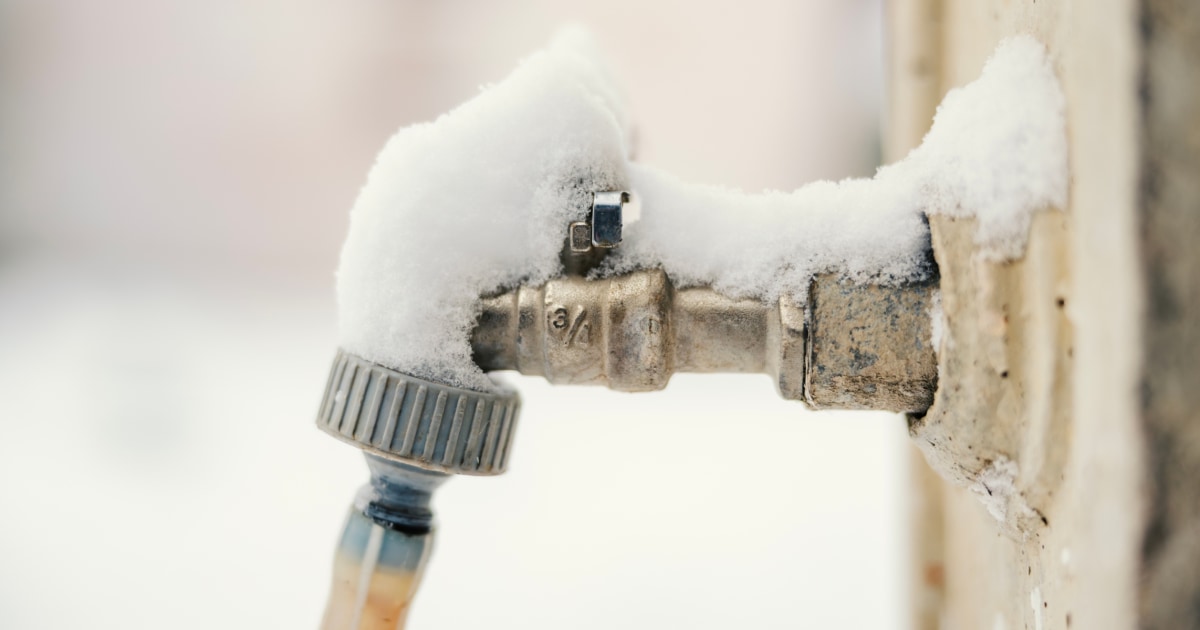
Nothing ruins a winter morning quite like turning on the faucet and getting nothing but a sputter, or worse, finding water pouring through your ceiling. When temperatures plunge, the water inside your pipes can freeze and expand, putting enough pressure on them to crack or even burst. The result is water damage, a hefty repair bill and a big headache. The good news is that frozen pipes are largely preventable, and most of the fixes are cheap, quick and easy enough to handle yourself.To find out how to keep the water flowing all winter, I spoke to two plumbing experts about how frozen pipes happen, what you can do to protect yours before the next cold snap and how to handle the situation if your pipes do freeze.What causes pipes to freeze? Pipes freeze when the water inside them gets cold enough to turn to ice — and some parts of your plumbing are far more vulnerable than others. “Pipes can freeze when they’re exposed to cold temperatures without enough insulation or heat to protect them,” says Steve Clemente, president and COO at Benjamin Franklin Plumbing. “This is especially a concern for outdoor plumbing and pipes that run through unheated areas of the home, like an attic or basement.” The real danger isn’t the ice itself but rather what happens when water freezes. “As water freezes, it expands,” says Mike Rippel, owner of Quality Pro Services, a plumbing and heating company in Middlesex, New Jersey. And according to Clemente, “a frozen pipe can burst, leaving you with water damage and potentially costly repairs.”The first sign of a frozen pipe is usually a faucet that won’t run, or only trickles, when you turn it on. You might also notice frost on exposed pipes or hear unusual sounds when water tries to move through them. A frozen pipe isn’t always a disaster, but it’s a warning sign you shouldn’t ignore. What can help you prevent frozen pipes?To find out which products are worth considering, I asked Clemente and Rippel what they recommend homeowners use to protect their pipes from freezing. Here are the types of products they suggested.Clemente says heat tape can help protect pipes and keep them from freezing. This tape wraps pipes, valves and fittings to reduce heat loss and gain in plumbing and air-conditioning systems. Its pressure-sensitive adhesive backing installs quickly without fasteners, and the foam is mold-resistant.If you’d prefer not to wrap tape around your pipes, Rippel says foam pipe covers also work to help prevent freezing. A pack of these from Duck holds six pre-slit, 1-foot black sticks (6 ft. total) with self-sealing adhesive edges for easy installation. They fit half-inch to three-quarter-inch pipes, can be trimmed to fit the length of your pipe and can easily be removed once winter is over.These outdoor faucet covers slip over spigots to help shield them from winter frost and freezing temperatures. Each cover has a polyester shell, a thick layer of insulating cotton and a long drawstring strap that cinches it shut. Reflective strips make the covers easy to spot in the dark so you don’t bang into it if you’re walking outside.BETA“Smart sensors can provide another layer of protection by detecting drastic temperature changes or water where it shouldn’t be,” says Clemente. This one attaches to your main water supply pipe and tracks the temperature of the water inside. If the water gets cold enough to put your pipes at risk, it can automatically shut off your water supply and send an alert to your phone. It also monitors water flow to flag leaks. You can install it yourself, though Moen recommends hiring a professional.Other things you can do to prevent frozen pipesBeyond buying products that can help prevent your pipes from freezing, experts say there are a few other things you can do to mitigate the risk. Prep your outdoor plumbing. “Start before cold weather arrives by disconnecting garden hoses or other faucets and draining outdoor water lines you won’t use during the winter,” says Clemente.Insulate exposed pipes. “Insulate exposed pipes, especially those outdoors or in unheated spaces like attics and basements,” says Clemente.Keep the heat on. “Have your heating system serviced, and keep the heat on low even when you’re away so the temperature inside your home doesn’t drop too low,” says Clemente.Let your faucets drip. During especially cold nights, “run the faucet at a slow but steady drip to prevent the water from freezing,” says Rippel.How cold does it need to be for your pipes to freeze? “Exposure to temperatures below 32 degrees [Fahrenheit} can cause pipes to freeze and potentially burst,” says Clementes. But pipes don’t necessarily freeze the moment temperatures dip below that mark. How quickly it happens depends on how cold it gets, how long the cold lasts and how well your pipes are protected. “Pipes outdoors or in unheated, poorly insulated areas are particularly vulnerable because they stay cold for longer, so protect those lines before freezing weather arrives,” says Clemente. How can you tell if your pipes are frozen?If water freezes and expands in your pipes it can cause cracks or even cause the pipe to burst. And because the water is frozen, the leak may not start until the ice thaws and water begins flowing through the damaged section again, says Rippel.If a pipe does burst, where that pipe is located may determine how much damage you have to deal with. Depending on the location, that water can soak into drywall, flooring and insulation before you even realize there’s a leak, which is why it’s important to act quickly if you suspect a pipe has frozen.What should you do if a pipe does burst? The most important thing is to stop the flow of water as quickly as possible. “Shut down the incoming water system so that when the line does thaw, you don’t have consistent running water causing major flooding,” says Rippel. This is why it pays to plan ahead. “It’s also a good idea to know where your main water shutoff valve is and make sure it works so you’re prepared if a pipe does burst,” says Clemente.Once the water is off, call a licensed plumber to assess and repair the damaged pipe. If water is near outlets, appliances or your electrical panel, turn off power to the affected area before you start cleaning up. It’s also a good idea to take photos of the damage and contact your homeowners insurance company, since many policies cover sudden water damage from a burst pipe.Want more from NBC Selected? Sign up for our newsletter, The Selection, and shop smarter.Meet our plumbersAt NBC Selected, we work with experts with specialized knowledge and authority based on relevant training and/or experience. We also ensure all expert advice and recommendations are made independently and without undisclosed financial conflicts of interest.Steve Clemente is the president and COO at Benjamin Franklin Plumbing. Mike Rippel is the owner of Quality Pro Services, a plumbing and heating company in Middlesex, New Jersey.Why trust NBC Selected?I am a commerce editor at NBC Selected and a journalist who regularly covers home and lifestyle, among other topics. I have written about the best vacuum sealers for food, snow boots with arch support and more. For this story, I spoke with two plumbers about the best ways to prevent your pipes from freezing in the winter. Catch up on NBC Selected’s in-depth coverage of tech and tools, wellness and more, and follow us on Facebook, Instagram, X and TikTok to stay up to date.
How to prevent your pipes from freezing this winter, according to plumbers
Full Article
Original Source
Read the full article at Nbcnews →KhanList aggregates and links to publicly available news content. We do not host full articles from third-party sources. Always verify important information with original sources.