
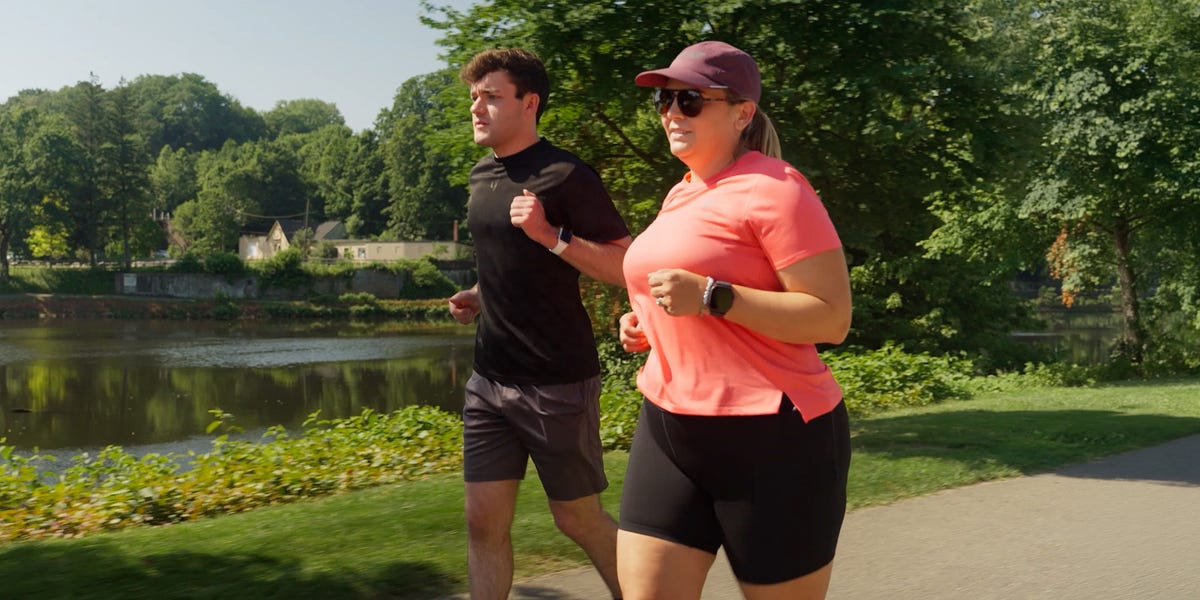
Whether you’re aiming for a 16-minute or 8-minute mile pace, utilizing a balanced run/walk interval structure makes for more efficient workouts, better fitness progression, and stronger race performances.It’s not necessarily how fast you’re going, but the intention behind your intervals that dictates your training and racing success with the run/walk method. Your walk breaks shouldn’t feel like a casual stroll through the park, nor should your run intervals translate to an all-out sprint effort. With the Runner’s World program, How to Master the Run/Walk Method, you’ll learn how to best manage your efforts, organize your intervals, and track your sessions.From nailing your interval durations to finding your preferred training tracker, you’ll discover how to implement the run/walk method consistently into your routine—and start seeing results in your fitness and race performances.What You’ll LearnIn Runner’s World’s How to Master the Run/Walk Method: Tracking Your Intervals, we’ll teach you:How to adjust your run interval based on your goal paceWhat makes 30 seconds an ideal walk interval length—no matter your paceHow your run/walk ratios progress as you get fasterThe best methods and tools for tracking your run/walk intervalsShoe recommendations for run/walkersWatch Video“Run-walk-run is as much about the walk as it is the run, and I think a lot of people ignore that. When you are walking, you should be walking with purpose, with intentionality.”— Chris Twiggs, Chief Training Officer, Galloway TrainingGo DeeperHow to Structure Your IntervalsWhile you can use either time or distance to log your run/walks, we recommend starting with time-based intervals, especially if you’re new to running or the run/walk method. You’ll split your running and walking intervals into specified periods of seconds or minutes, rather than distance logged.If you’re using a training plan such as Runner’s World Start Running or Run Nonstop plan, you’ll gradually increase your run time while shortening your walk time until your walk breaks disappear altogether. But with the run/walk method, you’ll always have walk breaks built in, and you’ll adjust your run interval based on your current goal or race pace.Example run/walk interval structures:18 minutes/mile: 5-second run, 30-second walk12 minutes/mile: 60-second run, 30-second walk7 minutes/mile: 6-minute run, 30-second walkNotice that no matter your overall pace, you can allot 30 seconds of walking. It’s an ideal interval duration for reaping the recovery benefits of walking without significantly affecting your pace.As your pace increases, the larger your run-to-walk ratio will become, translating to more time spent running. For example, you may run for two minutes and walk for 30 seconds to hit a 9-minute mile, but when your goal is to shoot for an 8-minute mile, you’ll run for longer (four minutes) to hit a quicker pace.How Fast Should You Walk?Instead of focusing on a specific number or pace, use feel to guide your walk intervals. Be intentional with your walks, keeping them brisk but allowing your heart rate to drop and your muscles to enjoy some recovery. Your walk effort should feel significantly less intense than your run portions.“I tell my runners you should be walking not like you’re looking for sharks’ teeth on the beach or cracks in the sidewalk. You should feel like you’ve got someplace to be, but you shouldn’t get into the race walking motion that you would see in the Olympics,” says Chris Twiggs, chief training officer at Galloway Training.As you get faster as a walker, you’ll take some of the pressure off of having to run faster to stick with your goal pace. You may also notice more efficient transitions from walk to run, and vice versa, as you improve your speed.How to Track Your IntervalsBecause run/walk sessions require meticulous tracking, you’ll want to use an interval timer for optimal results. Your smartwatch or fitness tracker may have interval capabilities, but an interval timer is the best tool for accurately structuring your run/walks. Set your run/walk ratios on the timer before your workout, and attach it to your jacket or waistband. The timer will buzz to alert you during your workout when it’s time to run or walk.If you’re logging your workouts on a fitness tracker or app like Strava, don’t worry about pressing pause during your walk intervals. Keeping the clock going during your entire workout gives you a more accurate representation of your effort, which makes tracking your fitness progress clearer. After each session, write down your total distance, interval ratio, and how you felt during the workout to measure both your objective and subjective progress.The last component to consider before heading out the door? Shoes. Lace up a pair of comfortable and supportive shoes to power your run/walk workouts. While most run/walkers should rely on run shoes that transition smoothly between intervals, your shoe choice depends on your preferences and experience. Find your ideal shoe by consulting our run/walk shoe guide, curated by Runner’s World gear experts after putting a variety of models through extensive wear testing.“The main things to look for [in run/walk shoes] are cushioning, support, and durability,” says Carissa Galloway, RDN, certified personal trainer and race commentator. “If you’re just starting out, a shoe with higher stability is important.”Ashley is Editor of Content Hype at Hearst’s Enthusiast & Wellness Group. She is a former collegiate runner at UNC Asheville where she studied mass communication. Ashley loves all things running; she has raced two marathons, plus has covered some of the sport’s top events in her career, including the Paris Olympics, U.S. Olympic Trials and multiple World Marathon Majors.
How to Master the Run/Walk Method: Tracking Your Intervals
Full Article
Original Source
Read the full article at Runnersworld →KhanList aggregates and links to publicly available news content. We do not host full articles from third-party sources. Always verify important information with original sources.