
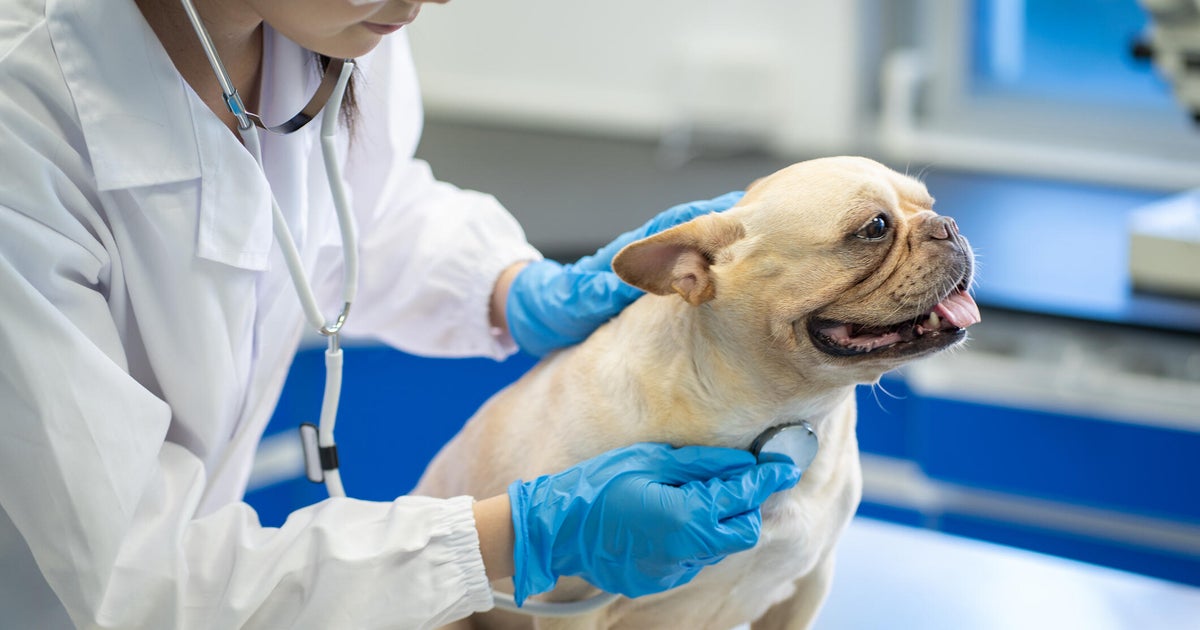
We may receive commissions from some links to products on this page. Promotions are subject to availability and retailer terms. By Angelica Leicht Senior Editor, Managing Your Money Angelica Leicht is the senior editor for the Managing Your Money section for CBSNews.com, where she writes and edits articles on a range of personal finance topics. Angelica previously held editing roles at The Simple Dollar, Interest, HousingWire and other financial publications. Read Full Bio November 25, 2026 / 8:56 AM EST / CBS News Add CBS News on Google Reducing your pet insurance costs doesn't always require you to cut valuable benefits from the policy. Kexin Guo/Getty Images Pet insurance can act as a crucial safety net when your dog or cat needs unexpected medical care. But that protection comes at a price, and the monthly pet insurance premiums can become increasingly difficult to justify if you're paying for coverage you rarely use. Add in the possibility of annual rate increases, and even a pet insurance policy that initially seemed affordable can eventually become a significant household expense.The challenge is that dropping your pet insurance to save money can be a costly gamble. Veterinary emergencies, serious illnesses and unexpected surgeries can leave owners facing bills totaling thousands of dollars, often with little warning. Without a pet insurance policy in place, those vet expenses generally have to be covered out of pocket, which could force difficult decisions about your pet's treatment.That leaves many pet owners facing a dilemma: They can continue paying pet insurance premiums that may be stretching their budgets or risk losing the financial protection they've been paying for. Luckily, those aren't the only options, though, and there may be opportunities to make your policy more affordable without giving up the benefits that matter.Compare your top pet insurance policies to find the right fit now.How to lower your pet insurance premiums without losing coverageReducing your pet insurance costs doesn't always require cutting valuable benefits. Depending on your insurer, your pet's age and your current policy, the following strategies could help you lower your monthly payments while maintaining meaningful protection.Increase your deductible strategicallyOne of the simplest ways to lower your pet insurance premiums is to choose a higher deductible, which is the amount you pay toward covered veterinary expenses before your insurer begins reimbursing you. For example, increasing your annual deductible from $250 to $500 could reduce your monthly premium, although the actual savings depend on your insurer. The trade-off is that you'll pay an additional $250 out of pocket before receiving reimbursement.This approach can make sense if you have enough emergency savings to comfortably cover the higher pet insurance deductible. Just be careful not to increase your deductible so much that you would struggle to afford treatment when your pet needs it. Learn more about the pet insurance coverage you could secure today.Compare quotes from multiple pet insurersPet insurance companies evaluate risk differently, meaning two insurers may charge significantly different premiums for similar coverage. Your pet's breed, age, location and medical history can all influence what you'll pay.In turn, comparing quotes from several pet insurance providers can be worth the effort, even if you already have coverage in place. When shopping, though, make sure you're comparing pet insurance policies with similar deductibles, reimbursement rates, annual limits and covered conditions.And before switching pet insurers, check how the new company handles pre-existing conditions. An illness covered under your current policy could be excluded by a new insurer, potentially making a cheaper policy far more expensive in the long run. Adjust your reimbursement percentageMost accident-and-illness pet insurance policies reimburse a percentage of eligible veterinary expenses after you've met your deductible. Common options include 70%, 80% and 90%, with higher reimbursement percentages generally resulting in higher premiums. Reducing your reimbursement rate from 90% to 80%, for example, could lower your insurance costs without eliminating protection against major veterinary bills.However, consider what that difference would mean during an expensive veterinary emergency. On a $10,000 covered claim after the deductible has been satisfied, an 80% reimbursement rate would leave you responsible for $2,000 instead of $1,000 at 90%. Ultimately, the goal should be finding a reimbursement level that balances affordable premiums with manageable out-of-pocket expenses.Look for discounts you're not usingSome pet insurers offer discounts that can reduce your premiums without requiring any changes to your coverage. For example, you may qualify for savings if you insure multiple pets through the same company. Other insurers offer discounts through employers, professional associations or certain membership organizations.Paying annually instead of monthly may also reduce your total costs with some providers, particularly if doing so eliminates installment fees. These savings aren't guaranteed, though, so be sure to ask your insurer which discounts are available and whether they can be combined.Reconsider optional wellness coverageIf your pet insurance policy includes an optional wellness plan, review whether you're getting enough value from that additional coverage. Wellness plans typically help pay for predictable expenses, such as routine examinations, vaccinations and preventive treatments. Unlike accident-and-illness coverage, however, these benefits generally aren't designed to protect against unexpected, expensive veterinary emergencies.Compare what you're paying for the pet wellness add-on with the amount you're actually receiving in benefits. If the costs of the pet wellness coverage outweigh the reimbursements, removing it could reduce the cost of your payments while preserving your core accident-and-illness protection.Be cautious about lowering your annual coverage limitChoosing a lower annual reimbursement limit can also reduce your pet insurance premiums, but this strategy requires particular caution. For example, a policy with a $5,000 annual limit may be cheaper than one offering $10,000 or unlimited coverage. However, a serious illness requiring surgery, hospitalization and ongoing veterinary treatment could exhaust that smaller limit relatively quickly. Before making this adjustment, be sure to consider whether the premium savings justify taking on potentially thousands of dollars in additional financial exposure. For many pet owners, maintaining a higher annual limit while adjusting other pet insurance policy features may offer a better balance.The bottom lineLowering your pet insurance premiums doesn't have to mean sacrificing the coverage that protects you from expensive veterinary bills. Comparing insurers, reviewing available discounts and making thoughtful adjustments to your deductible or reimbursement rate can help make your policy more affordable.The key is to focus on your total financial exposure rather than the monthly pet insurance premium alone. A policy that costs slightly more but provides substantially better protection against major veterinary expenses could ultimately save you far more money when your pet needs care. Edited by Matt Richardson
How to lower your pet insurance premiums without losing coverage
Full Article
Original Source
Read the full article at Cbsnews →KhanList aggregates and links to publicly available news content. We do not host full articles from third-party sources. Always verify important information with original sources.