
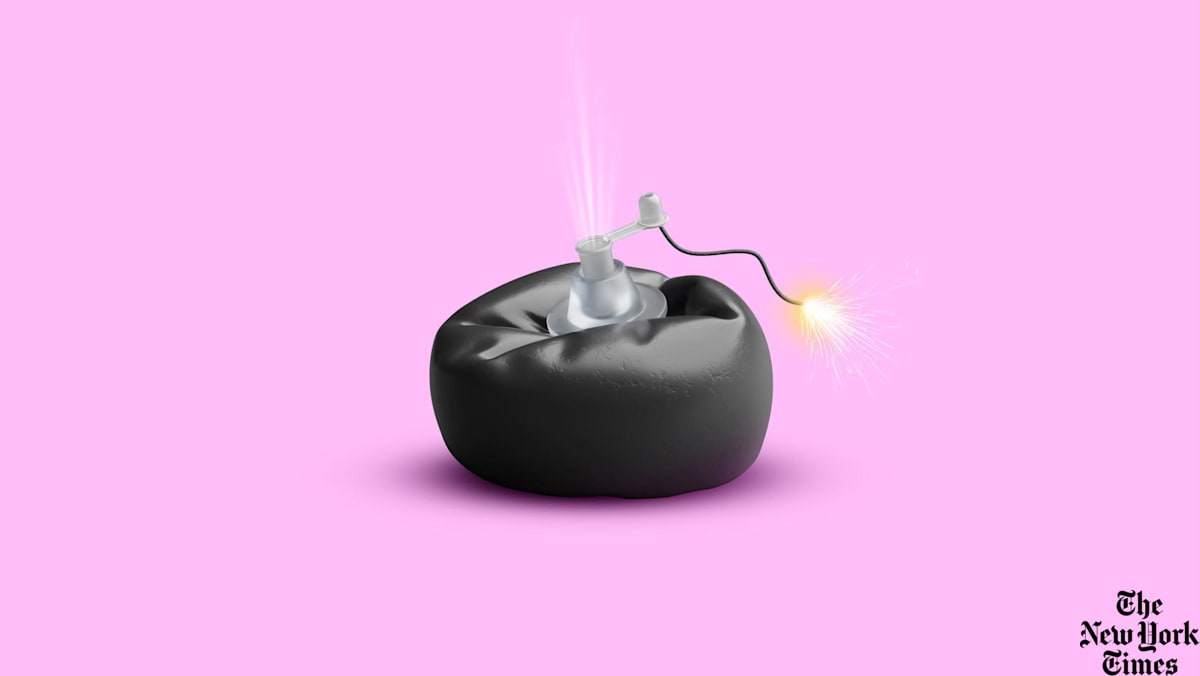
Stopping yourself before you erupt in anger takes practise, and it starts with recognising patterns. The most obvious is that we are more likely to lose control when we are tired or stressed. “We all have less bandwidth when we are overwhelmed,” said Chris Huffine, a psychologist in Portland, Oregon, and the executive director of Allies in Change, a counselling nonprofit that promotes healthy relationships.Fortunately, there are things you can do to release some pressure. Here’s what experts have to say.DON'T EXPECT PEOPLE TO CHANGEAnger often bubbles up from wanting someone to simply be different. Or, let’s face it, more like you. “Expect people to be who they are, not who you want them to be,” Dr Huffine said.This does not mean you let a loved one off the hook. Accepting that you have different standards – whether about how to do the laundry or how often you see your in-laws – can help keep you from becoming exasperated. “Then you have a communal problem instead of an oppositional one”, and you can more calmly talk about a solution, said Denise Solomon, a professor of communication at Pennsylvania State University who focuses on interpersonal communication and conflict.ANTICIPATE THE SAME ARGUMENTSBecause people are who they are, you will probably fight about the same things repeatedly. “The people in your life who trigger your anger are pretty reliable,” said Raymond DiGiuseppe, a professor of psychology at St John’s University. You’ve reacted the same way a thousand times. If you want to respond differently, you have to practise.“Imagine them doing whatever it is that makes you mad, and imagine yourself having a new response,” he said. That might mean leaving the room for five minutes or asking yourself what’s actually going on. “But if you don’t practise, you won’t do it in the moment,” he added.HAVE A CATCHPHRASEThe easiest thing to practise? Repeating a single phrase that can stem your rising anger. It can be absurd, like saying, “I will not strangle this person,” Dr Huffine joked. “Humour helps.”Your mantra could simply be “I will not yell”. Or maybe “I shall not yelleth” in a funny accent. Dr Solomon said that when her children were teenagers and lobbed mean insults her way, she would respond, “I’m sorry, I’ll try to do better tomorrow,” which took the wind out of their sails and avoided a fight.By Elizabeth Passarella © The New York Times CompanyThe article originally appeared in The New York Times. Source: New York Times/sr
How to keep your anger in check: 3 tips from experts
Full Article
Original Source
Read the full article at Cnalifestyle →KhanList aggregates and links to publicly available news content. We do not host full articles from third-party sources. Always verify important information with original sources.