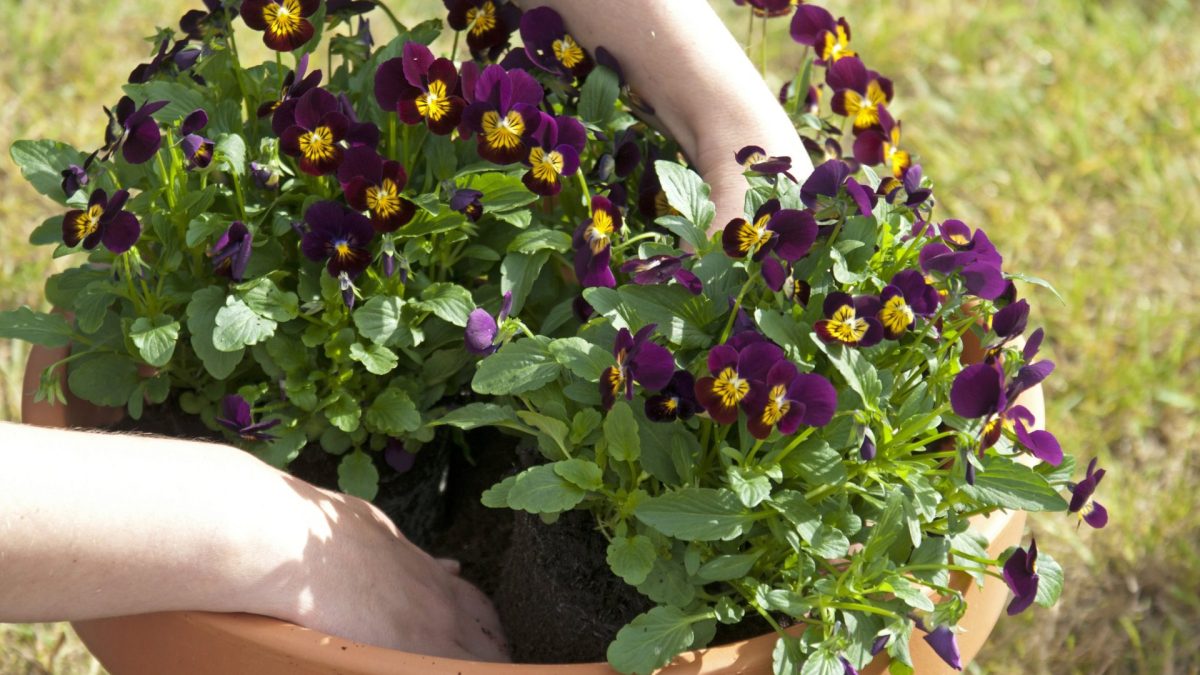
As the days get shorter and the sun lower in the sky, plants need less and less water. By mid-September, their water needs are very low. This will be a great relief to hard-pressed gardeners in drought-affected areas, who can eke out grey water from the kitchen and bathroom and any remaining stored rainwater to finish the main growing season, which ends in September. For plants that are not going to give a worthwhile crop – late-sown beans and squash, for example – this summer might as well be composted now to save work and water. These laggards will grow more and more slowly as summer progresses and realistically they will grow only a little in September. Other plants will have flowered and cropped themselves to a standstill now. The first beans, courgettes and cucumbers often cease to flower well now and might as well be composted so you can concentrate on the later crops and those for winter and next spring, such as leeks and purple sprouting broccoli. Antirrhinums and poppies are examples of flowers that tend to peter out by late summer and can be replaced, when the rains return, with wallflowers and pansies for 2027. Oriental poppies peter out by the end of summer (Photo: TimSandall/RHS) Dahlias, cannas, salvias and pelargoniums are some of the flowers that will flower until the frosts, so it is well worth keeping them going. As always in hot, dry summers, fungal powdery mildew is appearing as a white or off-white dusting on leaf surfaces of plants such as courgettes and lupins. Cutting back lupins and delphiniums so they grow better disease-free foliage in September is effective. For courgettes, if they still have some vigour and flowers, water and feed to bring some more fruits and break off older, infected leaves. Avoid using a knife to de-leaf or harvest courgettes, as this can transfer viruses from plant to plant. Other mildewed plants often respond to foliar feed of liquid seaweed after removing the worst-affected leaves. Red spider mite is another problem created by hot, dry conditions, multiplying on dahlias, cucumbers, runner and French beans. Wetting foliage, regular watering, and damping down and increasing ventilation in greenhouses to avoid dry air helps to slow its spread. Compost any plants that become completely bleached and cobwebbed – they cannot be saved and may infest other plants. Using a plant tonic such as SB Plant Invigorator can reduce its numbers if sprayed on the underside of leaves. It leaves no residues and after three applications a few days apart it is worth introducing plenty of red spider mite predators into your greenhouse as soon as possible. They will work quickly and last for the rest of the summer. It is not usually worthwhile using them outdoors, except perhaps in hot borders along a south-facing wall. Order soon, as they take a few days to arrive. Turnips sown now in the south will be able to make an autumn contribution to the kitchen (Photo: Carol Sheppard/RHS) Once space, water and time has been made by clearing finished plants, you can use a little water to get small areas of spring cabbage, spring onion, bulb onions bred for overwintering and wallflower seeds sown for next year. Quick-growing salads and turnips sown now in the south can also make an autumn contribution to the kitchen. Seeds are vulnerable in hot weather. In the absence of rain, it is wise to wet the seed bed before sowing, and then lightly every day for three days after sowing, then every three days until the seedlings emerge and less frequently after that. @GuyBarter The RHS is a charity inspiring everyone to grow via its research, advisory, outreach, shows and gardens. For more information, visit: rhs.org.uk
How to help your garden survive the late summer drought
Full Article
Original Source
Read the full article at Inews →KhanList aggregates and links to publicly available news content. We do not host full articles from third-party sources. Always verify important information with original sources.