
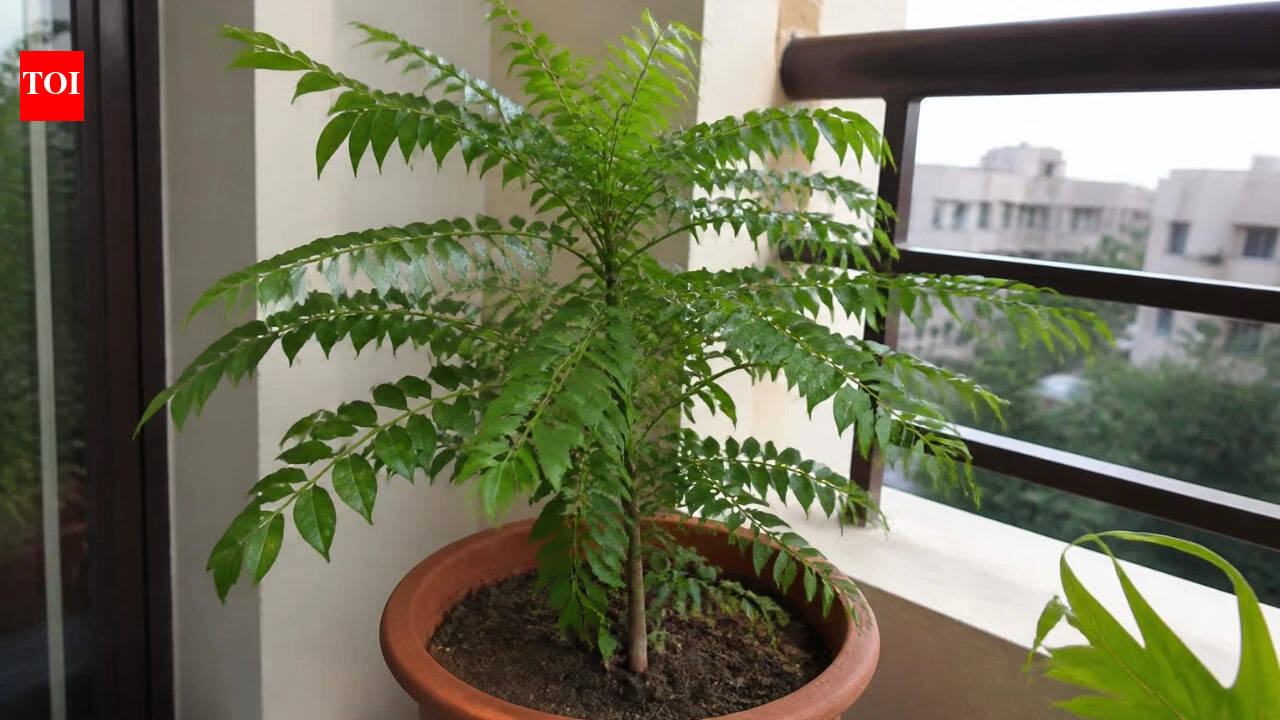
Growing any type of plant in a pot at home can be challenging. However, when it comes to Curry leaves, the benefits and convenience of having them at home make it a practical choice. Freshly grown leaves can instantly provide an aromatic and citrusy fresh flavour to your cooking that store-bought leaves cannot match. With multiple hair and skin benefits also associated with them, curry leaves make for a great plant to grow at home.Growing curry leaves in a potted plant begins with ensuring the environment is correct. Curry leaves don’t grow the same in each season and can require different care depending on the moisture in the air. With first selecting a pot at least 12 inches in height, either made of clay or terracotta, the next step is to prepare the soil. A combination of garden soil, cow manure, vermicompost, compost or coco peat can be used in equal parts. After preparing the right soil, the plant requires a minimum of six hours of sunlight daily and an adequate amount of water, which can vary depending upon the season.Image credit- Canva AIA new curry leaves sapling needs time and attention; its root system takes nearly a year to mature before the leaves can be fully grown or used. The challenge in growing curry leaves at home, however, can begin with common mistakes that can actually kill the plant even before it reaches full growth.Soil preparationThe soil is the heart of any root system; if it lacks quality or the right proportions, it can affect the roots and prevent them from receiving the nutrients needed for the plant to survive. Moreover, using fresh or uncomposted manure risks burning the plant's roots by introducing harmful pathogens.Plant wateringBoth over-watering and inadequate watering can cause the root system to not receive the right amount of moisture, sending the plant into extreme stress. Watering habits in summers might mean watering once every day, and in springtime, once or twice a week.Not picking the right potThe height of the potted plant is perhaps the most important step when beginning to grow curry leaves and a common mistake people make. A tall terracotta pot allows for easier water drainage. If a small pot is picked, water from the soil will have to be drained into a larger container, as improper drainage or the absence of drainage holes limits the oxygen required for the roots to grow.Improper root growthIf the roots in the pot do not receive enough space to grow, they can circle around the pot tightly. In this case, repotting becomes essential, as the roots need space to grow and breathe.Image credit-CanvaNot providing enough sunlightSunlight, crucial for the plant’s photosynthesis process, is a key requirement, with 6 to 8 hours of sunlight recommended for the curry leaves pot. This ensures that the plant, in a lack of sunlight, does not develop chlorosis, where the yellowing of the leaves and the appearance of dark spots can slowly weaken the plant.Over-pruningWhile pruning can help the curry leaves plant grow bushier, excessive pruning can put unnecessary stress on a young plant. If you prune too many leaves or branches at once, the plant will have fewer leaves to support its growth. So prune gradually and give the plant time to recover and produce new growth.Ignoring pestsPests can become another common problem when growing curry leaves at home, particularly when the plant is kept in a warm environment. Small insects can settle on the leaves and stems, slowly affecting the plant’s health and new growth. Ignoring these signs for too long can allow the infestation to spread, weakening the plant before the problem is noticed.For a bushy curry leaves pot, patience goes a long way. Growing curry leaves and waiting before using them can be a long process, however, the benefits of this rich and incredibly beneficial plant can only be reaped with due patience, time and by avoiding common mistakes that can hamper its growth.
How to grow curry leaves in a pot: 7 mistakes to avoid
Full Article
Original Source
Read the full article at Timesofindia →KhanList aggregates and links to publicly available news content. We do not host full articles from third-party sources. Always verify important information with original sources.