
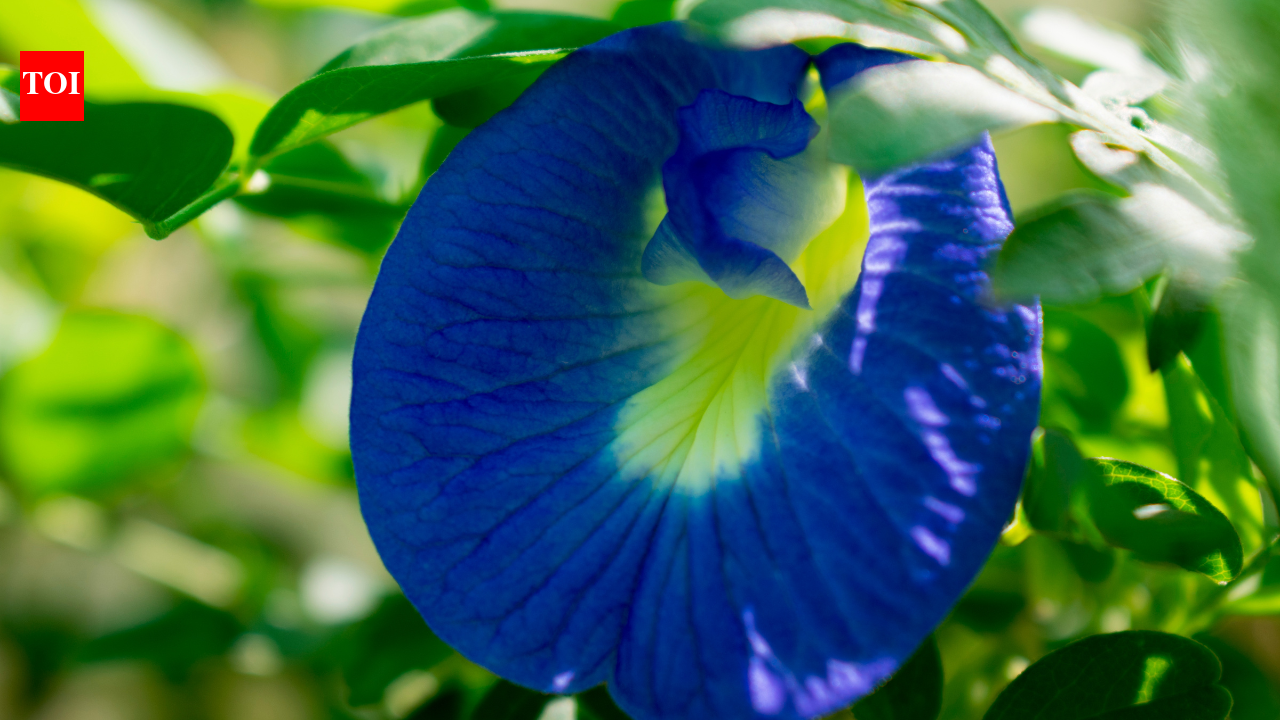
Close up of an aparajita flowerLiving in an apartment often means making the most of whatever little outdoor space you have. You may dream of starting your morning with a cup of tea surrounded by greenery, only to look out from your balcony and see a sea of concrete and tall buildings. But even a small balcony can be turned into a cheerful little garden.If you are looking for a flowering plant for your balcony that can bring colour without making gardening feel like a chore, aparajita is worth considering. This beautiful climber can brighten up a compact balcony with its striking blooms. Give it plenty of sunlight, a well-draining pot and a support to climb, and it can reward you with flowers while requiring relatively simple care. Read on to know more about how to grow Aparajita flowers in pots:More about the Aparajita plantAparajita is the common Indian name for Clitoria ternatea, also known as butterfly pea. It is a twining vine, which means its stems wrap around a support as it grows. The plant is best known for its deep blue to purple flowers, although white-flowered forms are also commonly grown.Benefits and usesVines of aparajita flower spread acrossAparajita is a great flower to grow in balconies: its vine can grow upwards, instead of taking over floor space. You can train it around a small trellis or along a railing, and the flowers appear against a screen of green leaves.The blooms of the flower can also attract pollinators, making the plant a useful addition to a small garden.Aparajita flowers can be used to make butterfly pea tea and to add blue or purple colour foods and drinks. How? Well, when you steep the flowers in hot water, the liquid turns blue. Interestingly, add a bit of lemon juice, and it becomes purple or pink.Aparajita also has a history of medicinal use. However, researchers have only found its compound useful, and not branded it as a remedy. Moreover, if you plan to eat flowers grown at home, use only the blooms you can identify confidently and that have not been sprayed with chemicals.How to grow Aparajita flowers in a potWhile this plant is fairly easy to grow, taking careful precautions are still important. Some of these include:1. Sunlight Place the pot where the vine receives atleast 5-6 hours of direct sun. Strong sunlight encourages flowering in the plant, while shade can leave the plant without many blooms. If your balcony has several possible sunny spots, watch how sunlight moves across them before deciding where to place the plant.2. Pot sizeThe pot should be roughly 8–12 inches deep and 12–14 inches wide. Drainage holes matter more than the material the pot is made from: Water must be able to escape rather than sit around the roots. If you use a saucer underneath, empty it after excess water has drained.3. Soil typeThe plant also requires loose soil. Fill the pot with a well-draining potting mix and add some compost to it. The aim is that the soil should hold enough moisture for the roots, but it should not stay soggy. Dont pack down heavy soil in the container as watering becomes more difficult to manage.4. Growing Aparajita from seeds Soak Aparajita seeds for a few hours or overnight to help soften their hard outer coat. Sow them about an inch deep, leaving space between seeds, and water gently. Keep the mix lightly moist while they germinate. Warm conditions favour sprouting, so protect young seedlings from prolonged cold or waterlogged soil.5. Give the vine support earlyPut a small trellis, wire frame or other secure support in place while the plant is young. You can guide the growing stems towards it as they lengthen. If using a balcony railing or grill, make sure the plant will not trail into a neighbour’s space or block access you need. Without support, this twining vine tends to sprawl rather than climb neatly.6. WateringBefore watering the plant, check the top layer of its soil with a finger. If the soil sticks to your finger, the soil is still wet and you don't need to water the plant. If the soil feels dry, water the soil well and allow the excess water to drain away. Plants need constant moisture when they are young, but roots can be damaged by waterlogged soil. Check more frequently in hot or windy weather, rather than during the rains.7. TrimmingPinching or trimming long growing tips can encourage shoots to grow sideways and help keep the vine manageable. Remove spent flowers if you want to keep the plant tidy, but leave a few blooms if you would like seed pods for future planting. Check new growth for aphids too. If there is a small infestation, spraying water can often dislodge the same.Aparajita flower blooming in the open. The simplest way to succeed growing Aparajita at home is to get the basics right from the start: Sun, drainage and support. Once those are in place, a little attention to watering and trimming can help the Aparajita plant turn even a compact balcony into a beautiful flowering corner.
How to grow Aparajita flowers in pots in balcony
Full Article
Original Source
Read the full article at Timesofindia →KhanList aggregates and links to publicly available news content. We do not host full articles from third-party sources. Always verify important information with original sources.