
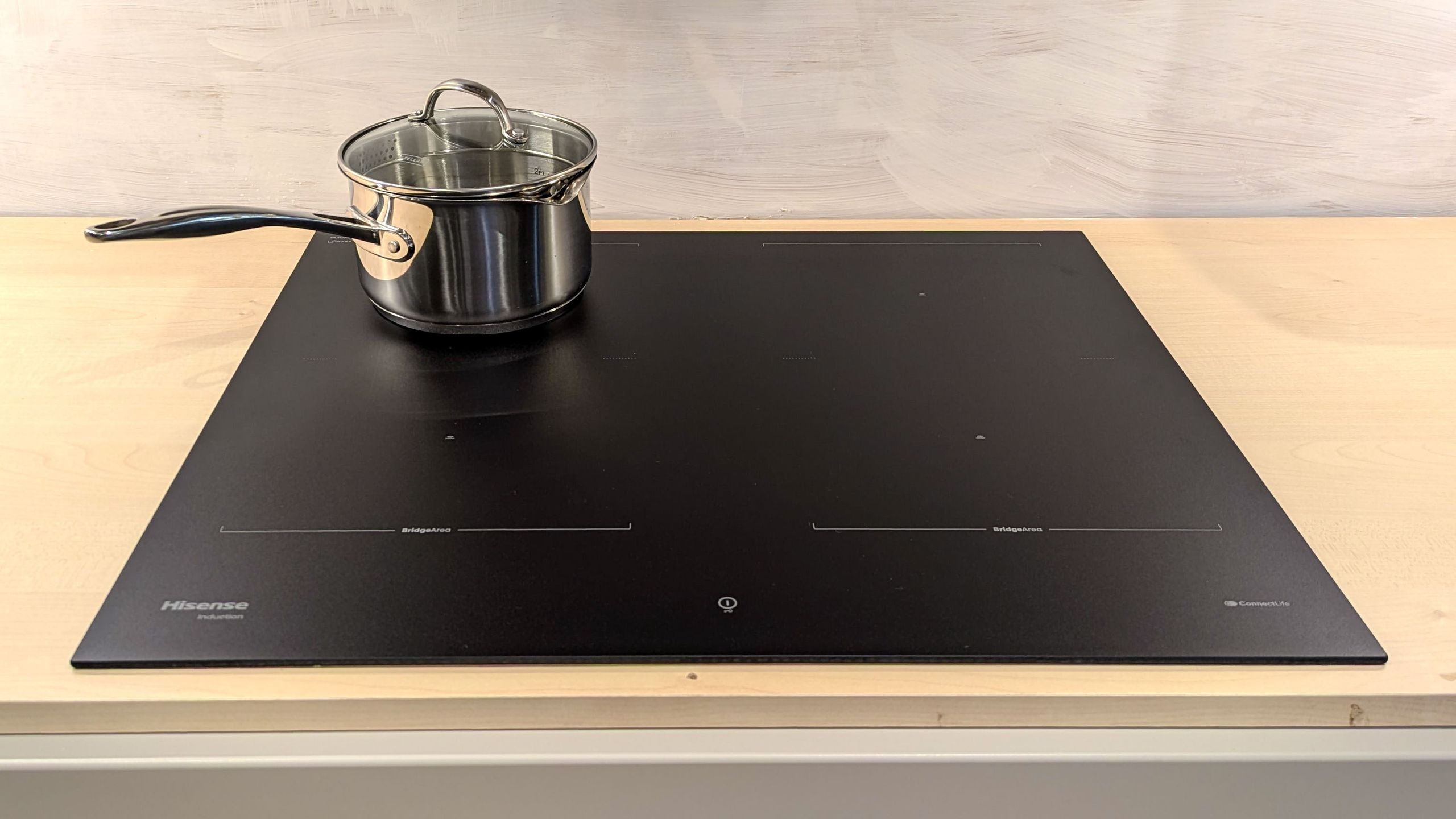
Remember when your induction cooktop shone like it was fresh out of the showroom? Now, no matter how hard you scrub, it is covered in a cloudy white film that refuses to budge.If your usual antibacterial kitchen spray isn't making a dent, don't panic. yYou aren't dealing with permanent damage, and you don't need expensive specialty products to fix it. That stubborn haze is simply baked-on residue that requires a slightly different approach.It’s surprisingly easy to lift that film using a couple of basic household items you likely already have. Read on to learn what causes the mystery haze, the common cleaning mistake that can permanently ruin your cooktop, and how to get it looking brand new again.What’s actually causing that mysterious white haze? (Image credit: Shutterstock)There are a few common culprits behind a cloudy induction cooktop. The most frequent issue is metal transfer.When you use cookware over high heat, microscopic metal particles from the bottom of your pots and pans can embed in the smooth glass-ceramic surface — a process known as displacement. The result is a foggy or milky stain that resists basic kitchen cleaners.Other common causes include cooked-on food splatters, mineral deposits from hard tap water, and even dried soap residue from regular kitchen sprays.Every time you turn on an induction zone, these leftover films bake deeper into the glass, creating a dull, milky surface even after a thorough wipe-down.Get instant access to breaking news, the hottest reviews, great deals and helpful tips.The cleaning mistake that causes permanent damage Frustrated when your efforts to clean the cooktop have no results, you might be tempted to grab a Magic Eraser, SOS pad, or steel wool to tackle the problem. Don't do it.The smooth surface of an induction cooktop is quite vulnerable to abrasive damage. Scrubbing pads cause micro-scratches that permanently dull the glass and trap even more grease over time.Always stick strictly to non-abrasive sponges, microfiber cloths, or soft towels.How to safely remove white film from your induction cooktop 1. The vinegar method At the end of the day, once your induction cooktop has had a chance to completely cool, soak a clean towel in white vinegar and lay it directly over any hazy or filmy areas. Then simply leave the towel for at least 30 minutes (or even overnight) to allow the natural acid in the vinegar to break down the tough mineral residue.In the morning, remove the towel and wipe the surface with a damp microfiber cloth until it is completely dry. 2. When vinegar isn't enough Usually vinegar removes the milky film, but occasionally the buildup is too much for vinegar alone to clear the surface. When that happens, Bar Keepers Friend (the cooktop formula not the standard powder), is a fantastic choice because it breaks down acids and mineral residues safely without scratching the delicate cooktop.Apply a thin layer of the cleaning product to the surface and gently buff the glass in circular motions using a soft cloth or non-abrasive sponge. Leave the product to sit for one-two minutes, then rinse and dry the surface thoroughly. Finish with a quick spray of your regular kitchen cleaner for a streak-free, showroom shine. Follow Tom's Guide on Google News and add us as a preferred source to get our up-to-date news, analysis, and reviews in your feeds. Make sure to click the Follow button!More from Tom's Guide I tried this genius dryer sheet trick on my baseboards, and it got rid of all the dust in 30 secondsMy dishwasher was leaving a cloudy film on glasses — here’s the quick fix that cleared themI removed stubborn water stains from my glass shower door — without using vinegar
How to get rid of the cloudy white film on your induction cooktop — without making it worse
Full Article
Original Source
Read the full article at Tomsguide →KhanList aggregates and links to publicly available news content. We do not host full articles from third-party sources. Always verify important information with original sources.