4 min readBEARD OWNERSHIP OPENS up a whole new world of grooming possibilities. The trimming, the combing, the shaping, the beard oils! It’s all fun and games until you realize that having a beard can also come with some issues. One of the weirdest? Beard dandruff. Yes, the telltale flakes can show up in your beard, no matter the length, just like on your scalp.If that does happen to you, don’t freak out. According to Dr. Robert Finney, MD, a board-certified dermatologist in New York City, beard dandruff is very common—but that doesn’t mean it’s unavoidable. Treating, and most importantly, preventing it is possible as long as you know what to do. Follow these steps for a flake-free face.1. Use an Anti-Dandruff ShampooYes, you can use the same shampoo you would use on your head to wash your beard. In fact, you should. With any anti-dandruff shampoo, the most important thing is to let it sit for five minutes. “I recommend wetting the hair in the sink and applying the beard shampoo to the skin at the base of the hair, then brushing your teeth or something before getting in the shower to wash it off,” says Dr. Finney. “Do this one to three times a week depending on how much is needed to keep flares from coming.”2. Use the Right CleanserOn days that you don’t use anti-dandruff shampoo, make sure to use a mild cleanser that keeps your beard and the skin underneath nourished and helps prevent oil buildup. Barber David Falla says to look for hydrating ingredients like coconut water, argan oil, and avocado.3. Keep Your Whiskers Hydrated When your whiskers get dry, your skin can sometimes produce more oil to try to balance it. This is bad news for beard dandruff since the yeast that causes it thrives in oily environments. To combat this, regularly apply a beard moisturizer to maintain beard hydration but keep oil from getting out of control. Gian Antonio Pisterzi, master barber and founder of Pisterzi Italian Grooming Art, recommends a moisturizer designed for both your skin and beard.4. Wash Correctly It’s essential to avoid scratching your beard while washing it, as it can worsen dandruff flaking, says Pisterzi. Instead, clean the beard using gentle circular motions with your fingertips. He also advises against rubbing your beard with a towel. Instead, pat it dry.5. Exfoliate Regularly To help avoid buildup from skin flakes and oil, Falla recommends exfoliating the beard once or twice a week to remove dead skin cells and reduce flakiness. A face scrub can do the trick, but if your beard is thick, consider a chemical exfoliator to make sure you reach the skin underneath and avoid granules getting caught in your whiskers.6. Trim Your Beard RegularlyPisterzi also recommends trimming your beard regularly. It won’t just help it look better, but will also help prevent ingrown hairs, which can contribute to skin irritation. Trimming your beard can also help keep flakes and oil from building up in the whiskers.What Causes Beard Dandruff?The best way to treat and prevent beard dandruff is to understand what’s causing it in the first place. Dandruff on both your scalp and beard is called seborrheic dermatitis and is caused by a specific kind of yeast called Malassezia that’s found in hairy areas.“We all have a microbiome that consists of bacteria and yeast that live on our skin,” says Dr. Finney, but too much Malassezia is what triggers itchy, flaky scalps and beards. Malassezia thrives in oily, warm environments (hello, beard), and an increase in oil production, like through stress or applying oily face products, can trigger flare-ups. “We also often see flares around the change of seasons,” he says.What Are the Symptoms of Beard Dandruff?If the skin under your beard is chronically itchy and accompanied by red, flaking skin, then there is a good chance you have beard dandruff. “The skin under your beard may also become greasier with white clumps that are visible as dandruff flakes,” says Pisterzi.Like the dandruff on your head, the best treatment for beard dandruff is a well-executed prevention program since there is no cure, according to Dr. Finney (we’ll get to treating flare-ups later). “This should be continued year-round, but if someone has milder cases only during certain times of the year, then maintenance can be targeted around those times,” he says. Follow these steps to keep your flakes in check.How to Treat a Beard Dandruff Flare-upNo matter how good your maintenance routine, flare-ups are bound to happen. When they do, use a cortisone solution sparingly to help treat them, says Dr. Finney. He recommends applying an over-the-counter steroid cream to the area for no more than 10 days a month on the face. “Using it longer can lead to problems, so if it isn’t helping enough, consult a dermatologist,” he advises.More Products to Prevent DandruffBeard Products | Beard Shampoos | Beard Conditioners | Beard Trimmers | Beard Balms | Beard Grooming Kits | Beard Growth Kits |Anti-Dandruff Shampoos |Winter Dry Scalp | How to Treat Dandruff | Garrett Munce writes about men's style and grooming. He's written for Esquire, New York Magazine, Spotlyte, and Very Good Light and held staff positions at GQ and W. Follow his skincare obsession on Instagram at @garrettmunce.Sean Zucker is the Grooming and Reviews Editor at Men's Health. He brings over half a decade of experience covering health, wellness, and lifestyle. When Sean's not writing about hair products, you can find him running for exercise, or toward the nearest food truck.
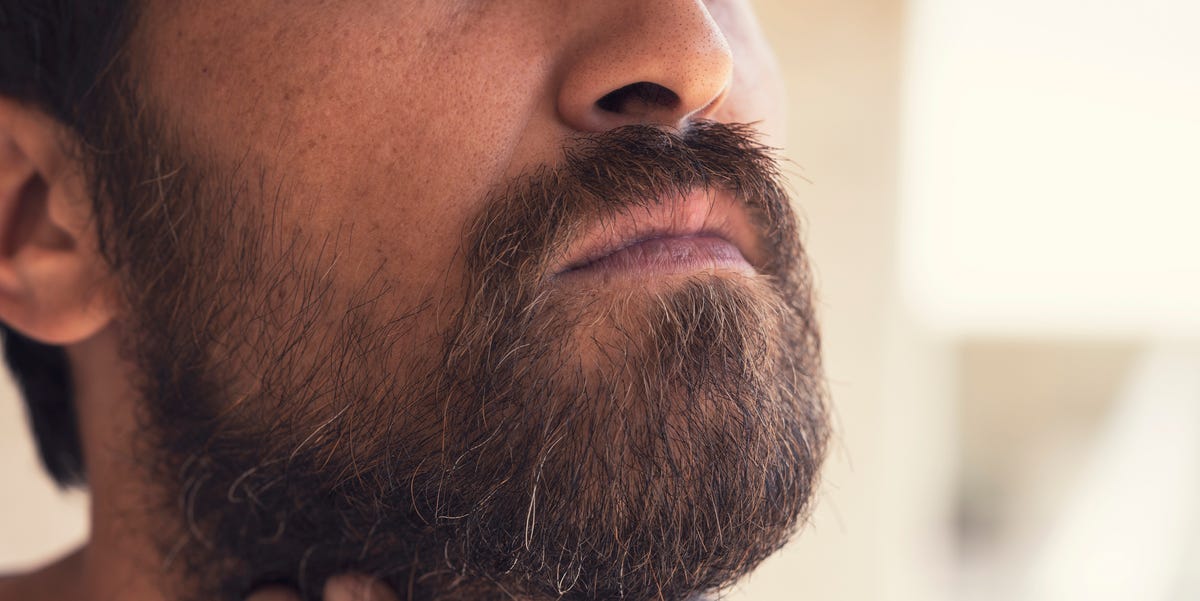
How to Get Rid of Beard Dandruff, According to Dermatologists
Full Article
Original Source
Read the full article at Menshealth →KhanList aggregates and links to publicly available news content. We do not host full articles from third-party sources. Always verify important information with original sources.