
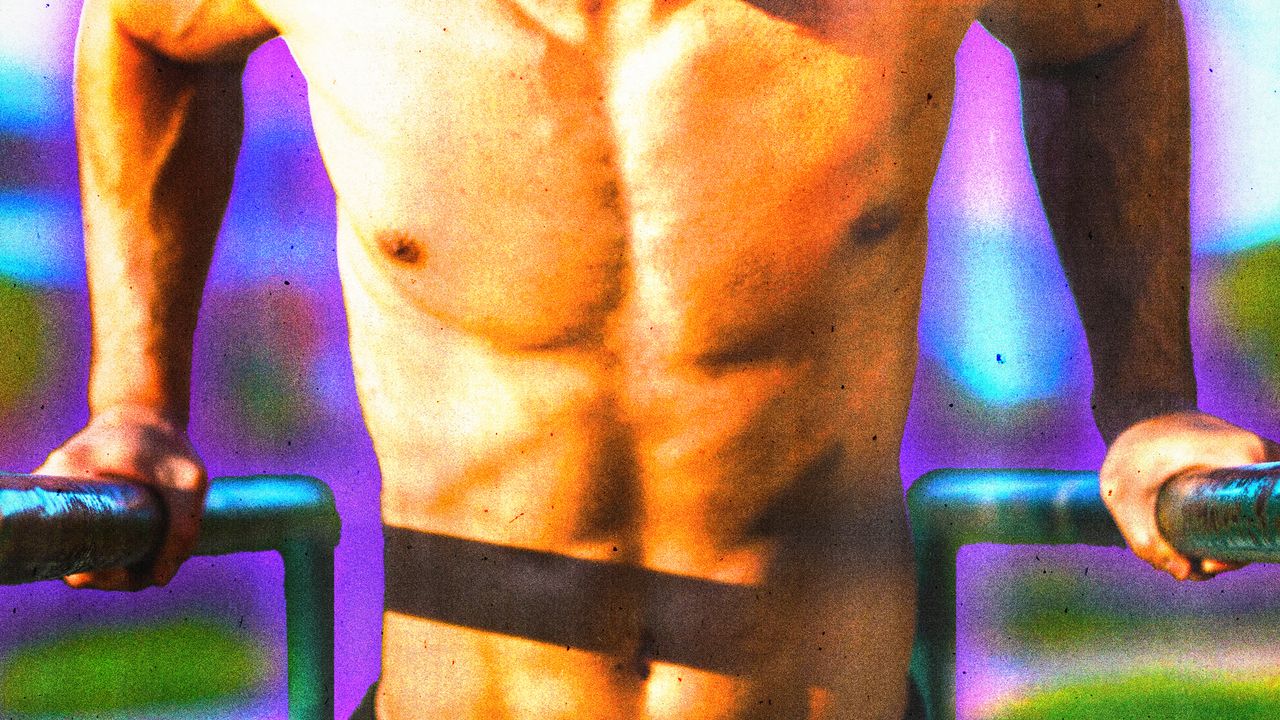
As anyone who’s ever set foot in a gym knows, bench pressing can be very fun. So much so that gym bros are known for prioritizing their chests over their other body parts. There’s a reason Kanye West once rapped “I hit the gym all chest, no legs”.Which isn’t to say that there aren’t benefits to beefing out your pecs. Having a strong chest can help round out your posture, prevent injury, and increase your strength in everyday tasks. One study even found not only does the bench press build your chest, but muscles like the triceps also grow, too.As long as it’s part of a well-rounded approach to fitness, there’s no reason not to hit your chest once a week. To help you figure out the best approach for this area of exercises, we tasked personal trainer Farren Morgan, founder of The Tactical Athlete training method, with breaking down how to get a bigger chest.What Muscles Are You Targeting?We’ve mentioned ‘pecs’, but what do we actually mean by that?“The muscles associated with your chest are the pectoralis major and the pectoralis minor beneath it,” Morgan says. “The pectoralis minor is the smaller of the two muscles, and is similar in shape to a triangle. The pectoralis major is the larger of the two muscles, with an upper portion called the ‘clavicular head’ and the lower portion known as the ‘sternal head’.”So, when we talk about ‘pecs’, we’re actually talking about a set of two muscles, working in conjunction.Why Work On Your Chest?Beyond the functional benefits of building your chest mentioned above, Morgan says that larger chest muscles can assist with “metabolism, posture, and overall well-being.”They benefit your whole upper body, too.“Chest muscles are essential for arm movement because they stabilize your shoulder joints, allowing you to twist and rotate your body,” Morgan says. “Your chest also assists with countless actions you take throughout the day, like washing your hair, pushing a door open, or lifting heavy objects.”Mistakes People Make Building Their ChestIf you’ve ever done too many press-ups without stretching regularly along the way, or ignored your back exercises for a week, you’ll know that overdoing it can be painful and can often cause your whole upper body to seize up.Morgan says the most common bench pressing injuries he sees happen when people lift their shoulders during lifts, set the bench at too high an angle, perform one rep maxes over slowly increasing weight, and have incorrect posture during barbell bench presses. So, don’t do that. Think smart to prevent injury.“When you train, you must consider the weight, volume, and form to prevent injury and guarantee you are gaining the most from your training,” Morgan adds.How to Ace a Press-Up And Bench PressThankfully, as a man who has performed more than his fair share of press-ups and bench presses in his time, Morgan has a few hacks to help you stay on point:Beginners should start with lighter weights at 10-12 reps to accelerate their pectoral growth.When performing incline lifts, retract your shoulders before lifting to maximize your movement and the benefits of the workout.During barbell bench presses, your hips should remain flat on the bench to prevent unnecessary strain on your spine.Anything less than seven hours of sleep will be a detriment to your performance at the gym, and the food you consume affects the amount and quality of the energy you need to burn throughout the day.The Workout to Get You StartedTry the below once a week, adding reps as you go. Do not be tempted to drop this in more than once a week—remember, legs and back need some love, too. And remember, a good warm-up stretch with bands can help prevent injuries to your pectoralis major and pectoralis minor—as can a good back workout to help round-out your regime.Incline Push-ups: 3 sets of 6-12 reps“Incline push-ups target your lower chest muscles, particularly the pectoralis major, triceps, and anterior deltoids,” Morgan explains, adding that they also benefit your abdominal muscles, glutes, quads, and obliques. In addition to using them in this workout, you could deploy them as dynamic warm-ups before other sessions.Place your hands on a box or bench, walking your feet back until your spine forms a straight line at a 45-degree angle to the floor.Keep your spine neutral as you bend arms at the elbow to bring chest down towards the box.Hold the position for a few moments, then press up to return to that start.Trainer tip: “If you’re struggling, bring your feet a few steps closer to your hands,” advises Morgan.Flat Bench Press: 3 sets of 8-12 reps“This one primarily works your pectoralis major and tricep muscles, but also provides additional benefits to your anterior delts, traps, and back muscles,” Morgan says.Start with the weight above chest level as you lay on the bench with knees bent and feet flat.Grab hold of the barbell with your palms facing the ground and your thumb wrapped around the bar, then push your arms straight to the ceiling as you lift the barbell off the rack.Bend your elbows to a 45-degree angle, slowly lowering the weight to your chest in line with your nipples.Hold the position for a few moments, then repeat the process.Trainer tip: “Keep your back and hips flat to avoid applying unnecessary stress to your neck, back, or spine,” says Morgan. Having a workout buddy to assist you with this workout would be beneficial.”Push-ups: 3 sets of 6-12 repsThe good old push-up should be a part of everyone’s fitness arsenal, and with good reason: “While variations are beneficial, standard push-ups are still highly effective for developing upper body strength,” Morgan explains. “They also activate your tricep, shoulder, and pectoral muscles. With proper form, your core, lower back, and abdominal muscles will also feel the benefits.”Start in a high plank position. Your hands should be slightly past shoulder width with straight legs, a neutral spine, and engaged hamstrings.Maintain a tight core as you bend your elbows at a 45-degree angle, lowering your chest to the floor, keeping a straight line from head to toe.Go as low as you can without losing your stability.After holding the position for a few moments, push your chest away from the ground and straighten your elbows before you repeat the process.Trainer Tip: “The alignment of your body should be linear throughout the workout to maintain proper form, but if you find yourself struggling, you can perform the exercise using your knees as you work your way up,” Morgan explains.Chest Dips: 3 sets of 6-12 repsA good all-rounder, chest dips primarily engage with your pectoralis major and minor muscles but also benefit your triceps, delts, lats, rhomboids, levator scapulae, and teres muscles. They're integral if you're looking for how to get a bigger chest.1. Stand straight as you face and grasp the parallel bars with your palms facing inward.2. Straighten your elbows and shift your weight to the palms of your hands as you lift your body off the ground.3. Bend your elbows as you aim to lower your chest to be level with your hands.4. Hold the position for a few moments, then return to the start position and repeat the process.Trainer Tip: Slow and steady prevents injury.Incline Bench Press: 3 sets of 8-12 reps“The incline bench press primarily works three muscles, your triceps, front delts, and pectoral muscles,” explains Morgan. “Training programs regularly integrate incline bench presses because of their effectiveness in pectoral and upper arm development.”1. Start by laying your back on the incline bench with your feet flat on the ground and position the bar above your collarbone.2. Grab the barbell by wrapping your arms so they face your feet as your thumbs grasp the bar and press your arms upward toward the sky to lift the barbell off from the rack.3. Slowly lower the barbell to your chest and keep it centered as you bring it close, just above your nipples.4. Briefly hold the position, then repeat the process by lifting the bar.Trainer tip: “Don’t forget to keep your back and feet flat when you lift, and if possible, get a workout buddy to join you so they can spot you,” says Morgan.This story originally appeared in British GQ.
How to Get a Bigger Chest and Improve Your Posture While Doing It
Full Article
Original Source
Read the full article at Gq →KhanList aggregates and links to publicly available news content. We do not host full articles from third-party sources. Always verify important information with original sources.