
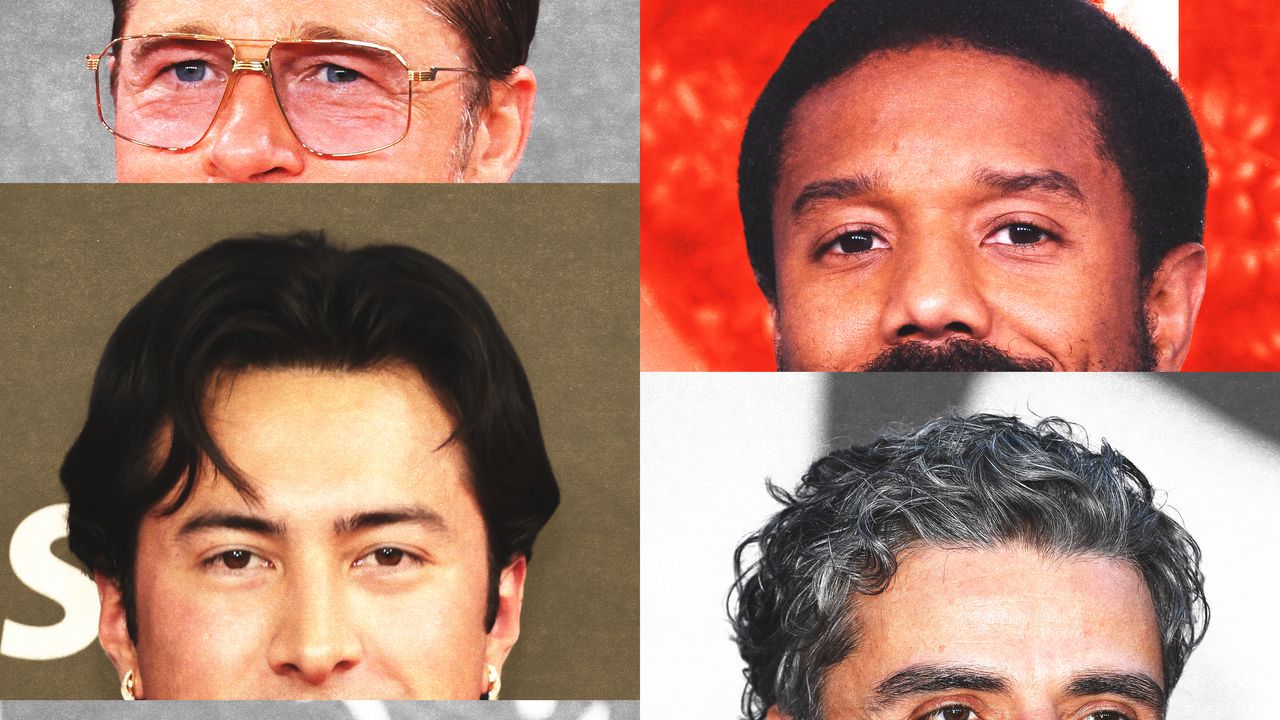
Determining your hair type isn’t as complicated as it sounds, and figuring it out will make styling it so much easier. Your stylist can always spot your hair type, but the best way to decode it at home is to let it air-dry completely bare.“The easiest way to understand your natural hair type is to strip everything away,” says Adam Federico, vice president of creative development at R+Co. “Shampoo and condition, don’t add styling products, and allow it to air-dry. What the hair naturally wants to do will tell you a lot.” Cracking this code makes it easy to customize your routine, helping you choose the right products and dial in your ideal wash frequency.Before we dive into the nitty-gritty, it’s important to understand the primary hair types. Andre Walker, Oprah Winfrey’s longtime stylist, created a hair classification system that divides hair into four main categories: straight (type 1), wavy (type 2), curly (type 3), and coily (type 4). The letters next to each number indicate the tightness of the pattern—“A” is the loosest in that category, while “C” is the tightest and densest.But don’t get too caught up in the labels. Two guys can share the exact same hair type on paper but look entirely different in reality. “I also look at density—how much hair is actually on the head—along with the diameter of the individual strand, porosity, condition, and how the hair reacts to moisture,” says Federico. Think of your hair type as a helpful compass, rather than a strict rulebook. Below, we break down what each of the four categories means for you.Type 1: StraightJB Lacroix/Getty ImagesType 1 hair has no bends or curves and sits completely flat, rarely holding a curl (think of celebs like Robert Pattinson, Ryan Gosling, and Brad Pitt). Within this category, Type 1A hair is ultra-fine and lacks body, while Type 1C is thick, coarse, and can be the trickiest to style. To fight flatness, opt for lightweight products like texture powders or volumizing creams that add grip without weighing down your strands. Your perfect shampoo hinges on your hair’s density and length, but you can’t go wrong with a nutrient-dense, volumizing pick to keep things lifted.1A: Features fine, completely straight strands that are prone to oiliness. Regular use of a clarifying shampoo can help manage excess oil production.1B: Straight strands have medium thickness, offering more natural body, volume, and movement.1C: These coarse, straight strands have a slight, occasional bend. This thicker texture is especially prone to frizz and benefits from smoothing formulas.Slick GorillaHair Styling Texturizing PowderLiving ProofFull Thickening Blow-Dry CreamType 2: WavyMathew Tsang/Getty ImagesWavy, or type 2 hair, can look like anything from a loose, relaxed S-shape to more defined zigzags. While that natural body and volume are major perks, they often come with a side of frizz and flyaways. To keep your waves intact, look for deeply hydrating products—like this molding cream packed with argan and olive oils—to tame frizz and boost definition. Adding a silky hair serum to your routine will also smooth and soften your strands, making styling a breeze.2A: Features a loose, tousled look that is straight at the roots with soft bends at the ends.2B: Defined by prominent S-shaped waves starting at the mid-lengths. This type is highly prone to frizz and poofing in humid weather.2C: Features tighter S-shaped waves with occasional loose spirals or zig-zags. This pattern experiences the most frizz, making hydrating formulas essential.HighlandHighland Glacial CreamType 3: CurlySteve Granitz/Getty ImagesType 3 hair features distinct, springy curls that are easy to distinguish from wavy patterns. However, because those tight loops make it hard for your scalp’s natural oils to travel down the hair strand, curly hair tends to run on the drier side. A hydrating shampoo is the perfect starting point to moisturize without losing volume. From there, you can mix and match products to fit your goals—like curl creams for maximum shine and definition, hair gel to lock your pattern in place, or smoothing hair masks to deeply hydrate and fight off humidity.3A: Curls are loose, well-defined S-waves with a fine-to-medium texture and light volume.3B: These strands are tighter and springy with medium texture and bouncy volume.3C: Strands are tight, densely packed corkscrews with a coarse texture and more volume.R+CoTurntable Curl Defining CrèmeScotch PorterMoisture Rich Leave-In Hair ConditionerType 4: CoiledSteve Granitz/Getty ImagesDefined by tight, springy coils that sit close to the scalp, type 4 hair boasts the most volume of all hair types, but it is also the most fragile and prone to dryness. Look for moisture-sealing lotions and styling custards that define and detangle your strands without leaving them dry or crunchy. When it’s time to wash, choose a gentle, texture-focused shampoo—like Frederick Benjamin’s Invigorating Cleanser—to remove buildup while keeping your hair’s protective cuticle completely intact.4A: Dense, springy “O”-shaped coils that need intense moisture to retain their definition and bounce.4B: Tight, sharp “Z”-shaped coils prone to shrinkage that require heavy, consistent hydration.4C: The tightest, densest coils and zig-zag patterns, making them exceptionally prone to tangling, dryness, and breakage.IGKIntense Daily Smoothing Mask
How to Figure Out Your Hair Type, According to Experts
Full Article
Original Source
Read the full article at Gq →KhanList aggregates and links to publicly available news content. We do not host full articles from third-party sources. Always verify important information with original sources.