
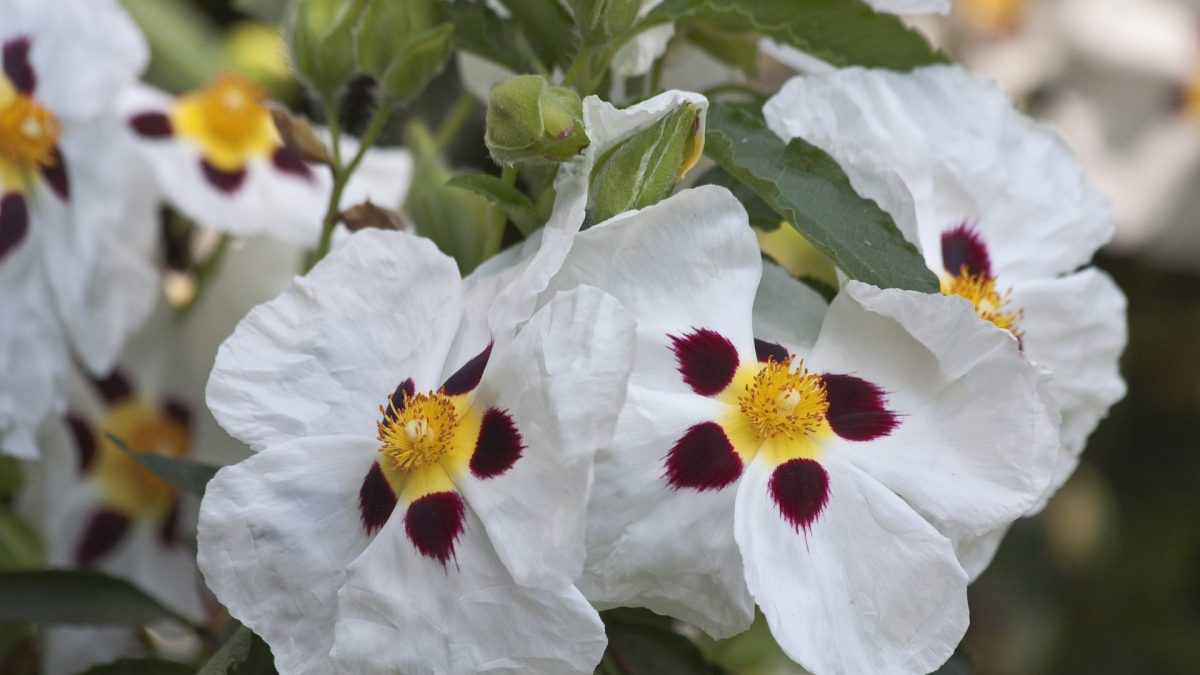
After a rather bruising summer for gardeners, now is the time to start taking steps to ensure we are well-prepared for a potential repeat next year. While being fully drought-proof is a tall order, one relatively easy and sustainable way we can keep gardens looking good and productive is by adding organic matter to garden soils. Most gardeners will be doing this anyway, but adding compost, manure and other organic materials between now and April will be a priority. Where supplies of bulk material such as stable manure are available cheaply, this is low cost. Where more expensive material has to be bought, remember that well-manured and mulched ground needs little to no fertiliser, which helps offset the expense. Mulching is thought to be the best way to apply organic matter and certainly the easiest – a layer 7-10cm deep spread before April is ideal. Roses, herbaceous plants such as asters and phlox, and soft fruit, especially raspberries, which are shallow-rooted, are all priority targets. Shorts Mediterranean plants, able to sweat out droughts, such as cistus and phlomis, can suffer from excess nutrients and wet winter soil if mulched. Often they are grown under a gravel mulch, but the cost, labour and environmental concerns of gravel, even if recycled, put some gardeners off – here consider mulching with so-called “urbanite”: old brick, rocks and pieces of concrete. Bark or wood chips are a good persistent mulch for trees and shrubs. Tree surgeons can often supply wood chips at low cost. Digging manure into the ground in the traditional way is considered less good, but is still effective. Use about two bucketfuls per square metre. Digging deeper to help roots access hard ground sounds effective, if hard work. However the evidence suggests that natural processes, notably worms and plant roots, both encouraged by mulching, are more effective at deeper loosening. It can take several years of mulching and manuring to lift soil organic matter significantly. If possible, plan to repeat every year or at least every two years. Now is the time to get plants on the move if they suffered in the heat and dryness: hydrangeas, for example, often wilted in the summer heat in direct sun. After leaf fall, lift them and replant in a site that gets only partial sun each summer day. Roses, which are notably deep-rooted, or tough-as-nails evergreens including Choisya ternata or, for shade, viburnum tinus, can replace them. Afghan sage, also called Perovskia atriplicifolia, is a good summer plant (Photo: Sheila Dearing/RHS) Replace plants that succumbed to the drought with more tolerant species for sun and for shade. Afghan sage (Perovskia atriplicifolia, properly called salvia Yangii) has been the plant of the summer in many gardens, with its grey leaves and abundant blue-purple flowers unshaken by the trying conditions. Catmint (nepeta), lamb’s ear (stachys Byzantina) and fennel (foeniculum vulgare) were also stand-out drought-tolerant plants. Plants that did well can also be divided and replanted now, including bergenia and heuchera. Leave silvery leaved plants including artemisia and lavandula until mid-spring, as they are susceptible to winter wet. New and recently moved plants will need watering for a year or two until they have roots established enough to support themselves. Smaller plant sizes are easier to establish than large ones in bigger pots, especially if planted in autumn or, somewhat less good, early spring. Smaller pot sizes of perennials soon catch up with bigger plants, but trees and shrubs may lag for some years before they match larger specimens. If buying larger trees or shrubs, check the guarantee and consider professional tree-planting services. @GuyBarter is the Royal Horticultural Society’s chief horticulturist The RHS is a charity inspiring everyone to grow via its research, advisory, outreach, shows and gardens. For more information, visit: rhs.org.uk
How to drought-proof your garden now to prepare for next summer
Full Article
Original Source
Read the full article at Inews →KhanList aggregates and links to publicly available news content. We do not host full articles from third-party sources. Always verify important information with original sources.