
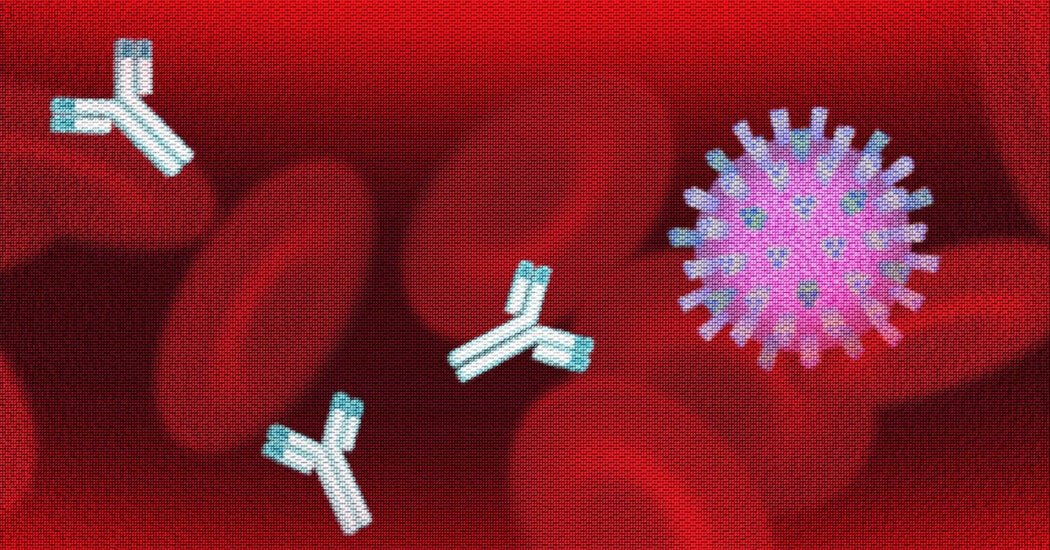
AdvertisementSKIP ADVERTISEMENTThe United States is losing its measles-elimination status, signaling the return of a virus that can cause lasting health consequences.VideoCreditCredit...By Irene SuosaloDavid QuammenDavid Quammen is a science journalist and author of 19 books. This piece is part of “Disease States,” his series on evolution and disease.Nov. 17, 2026, 5:02 a.m. ETMeasles is a uniquely human affliction, like smallpox and hubris. It’s a disease caused by a remarkable virus that emerged roughly 2,500 years ago and inhabits no hosts other than us.And yet in recent decades, Americans have been allowed to forget how deadly the virus can be. It doesn’t just cause a bit of fever and a rash; in severe cases, it can bring on pneumonia and encephalitis (brain inflammation), leading to hospitalization and sometimes death, especially for small children.In the years just before 1963, when the modern vaccine was introduced, severe measles epidemics occurred about every two or three years and caused, by estimate of the World Health Organization, as many as 2.6 million deaths each year. By another reckoning, measles killed nearly 200 million humans between 1855 and 2005. The W.H.O. also calculates that measles vaccination prevented nearly 59 million deaths between 2000 and 2024.Despite the efficacy of the vaccine, though, measles case numbers and deaths have risen and fallen over the years, in the United States and elsewhere, as vaccination coverage has also fallen or risen, in response to a variety of factors such as anti-vaccine activism, fear, confusion and changes of leadership at federal health institutions. Now again, case numbers are rising.By the latest count, there have been over 5,410 confirmed measles cases so far this year in the United States. That’s more than double the number from last year, and the highest since 1991. Back in 2000, the United States certifiably “eliminated” cases of measles transmission within its borders. But such “elimination” is a temporary and fragile distinction, given that measles can still be brought into the country by travelers and then transmitted locally, mainly among unvaccinated people. Now, the United States stands to lose its measles-elimination status because of the ongoing spread of the virus.The return of measles is bad in the obvious ways — its direct toll in misery, deaths and societal costs — and bad also in more complicated ways, because measles is such a tricky virus. Some scientists have noted that it presents several paradoxes, reflecting weird intricacies of its biology. Two of those are of special interest.First paradox: A case of measles (assuming the person survives it) generates lifelong immunity against the measles virus, but it can also suppress the person’s existing immunity to other infectious diseases. Scientists have called this suppression “immune amnesia.”It happens because the measles virus selectively targets immune cells in the blood and the lymph system, including T cells, which attack invaders such as viruses and bacteria, and B cells, which produce antibodies that help neutralize invaders. The B cells even remember how to ramp up custom antibodies against a repeat invader. Without them, the immune system loses some of its capacity for a fast response. A pair of researchers at the University of Iowa described it as “a condition in which the immune system ‘forgets’ previously acquired memory against other pathogens.”Another group of scientists, at Harvard Medical School, the Erasmus University Medical Center in the Netherlands and elsewhere, studied 77 Dutch children who became naturally infected with measles during an outbreak. The children came from communities with low vaccination rates, and all 77 were unvaccinated. With agreement from them and their families to participate in such a study, the children gave blood samples before the outbreak struck. They gave samples again in the weeks after their recovery from measles.Screening the blood, the scientists found big decreases in the diversity of their antibodies and in the quantity (therefore the force) of particular antibodies that did remain. Some of the children had lost up to 70 percent of their protection against certain pathogens. A related study reported that such immune amnesia might last two or three years — representing a dangerous window of jeopardy, especially for young children exposed to, and imperiled by, other life-threatening contagions during that period.The authors of the study in the Netherlands note that comprehensive coverage with the measles vaccine would not only help prevent the annual toll of measles-caused deaths but, by preventing immune amnesia, “could also avert potentially hundreds of thousands of additional deaths attributable to the lasting damage to the immune system” during that two- to three-year window of jeopardy.Second paradox: Measles is an RNA virus, a type of virus that tends to acquire more mutations than DNA-based viruses do. Typical RNA viruses, such as the influenzas and the coronaviruses, are always changing randomly, and therefore can evolve very quickly. The virus that causes Covid-19 exemplifies just how fast: We need frequent boosters (I’ve had at least nine, but I think I’ve lost count), many with an updated vaccine recipe, to keep us protected against it. But do you recall your doctor ever saying, “You need a measles booster?” Probably not, especially if you received a standard two-dose vaccination back in the day. The measles vaccine doesn’t generally require boosters because, despite having a proclivity toward mutation, the virus today is still so similar to the virus from which the first vaccine was derived.How can that be? Why hasn’t the virus evolved resistance to the original vaccine? It’s because the mechanisms by which the measles virus achieves infection are exceptionally complex, involving multiple different molecular elements working together to grab hold of and enter target cells. The weakened virus in the vaccine carries those elements, too, so the human immune system responds by producing multiple different antibodies that can gum up the grab-and-enter mechanisms and prevent infection. For the virus to evade that rich crossfire of antibodies, it would need to evolve new variants of those elements, each one different enough to evade the antibodies but similar enough to achieve the original purpose. Even the wondrous capacity of evolution by natural selection makes that, in the words of one team of scientists at the Mayo Clinic, “extremely unlikely.”Yes, the measles virus may be continually and randomly producing alternate grabbing and entering elements. But unless one lineage of the virus acquires new versions of at least five of the required elements, the Mayo team found, that virus is incapable of penetrating human cells and propagating itself. It goes extinct, culled by natural selection.So we’re lucky to have it, that vaccine, luckier than we might recognize. The W.H.O. estimates that 95,000 measles deaths occurred globally in the year 2024, mostly among unvaccinated and under-vaccinated children. It’s a shockingly high number, but it represents a minimum. These are deaths caused directly by measles and its immediate complications, such as pneumonia and encephalitis — and not including the aftermath among measles survivors left vulnerable to other life-threatening viral or bacterial infections.Immune amnesia, as we’re told, might account for hundreds of thousands of additional deaths. But it can’t explain the societal amnesia: why we seem to have forgotten to take measles seriously.David Quammen is a science journalist and author of 19 books, including “Breathless,” about the origins and evolution of Covid-19, and the forthcoming “Devil on the Run,” about cancer as an evolutionary phenomenon. This piece is part of “Disease States,” his new series on evolution and disease.A version of this article appears in print on , Section D, Page 3 of the New York edition with the headline: The Many Dire Consequences of Measles. Order Reprints | Today’s Paper | SubscribeRelated ContentAdvertisementSKIP ADVERTISEMENT
How the Measles Virus Makes Your Immune System Forget
Full Article
Original Source
Read the full article at Nytimes →KhanList aggregates and links to publicly available news content. We do not host full articles from third-party sources. Always verify important information with original sources.