
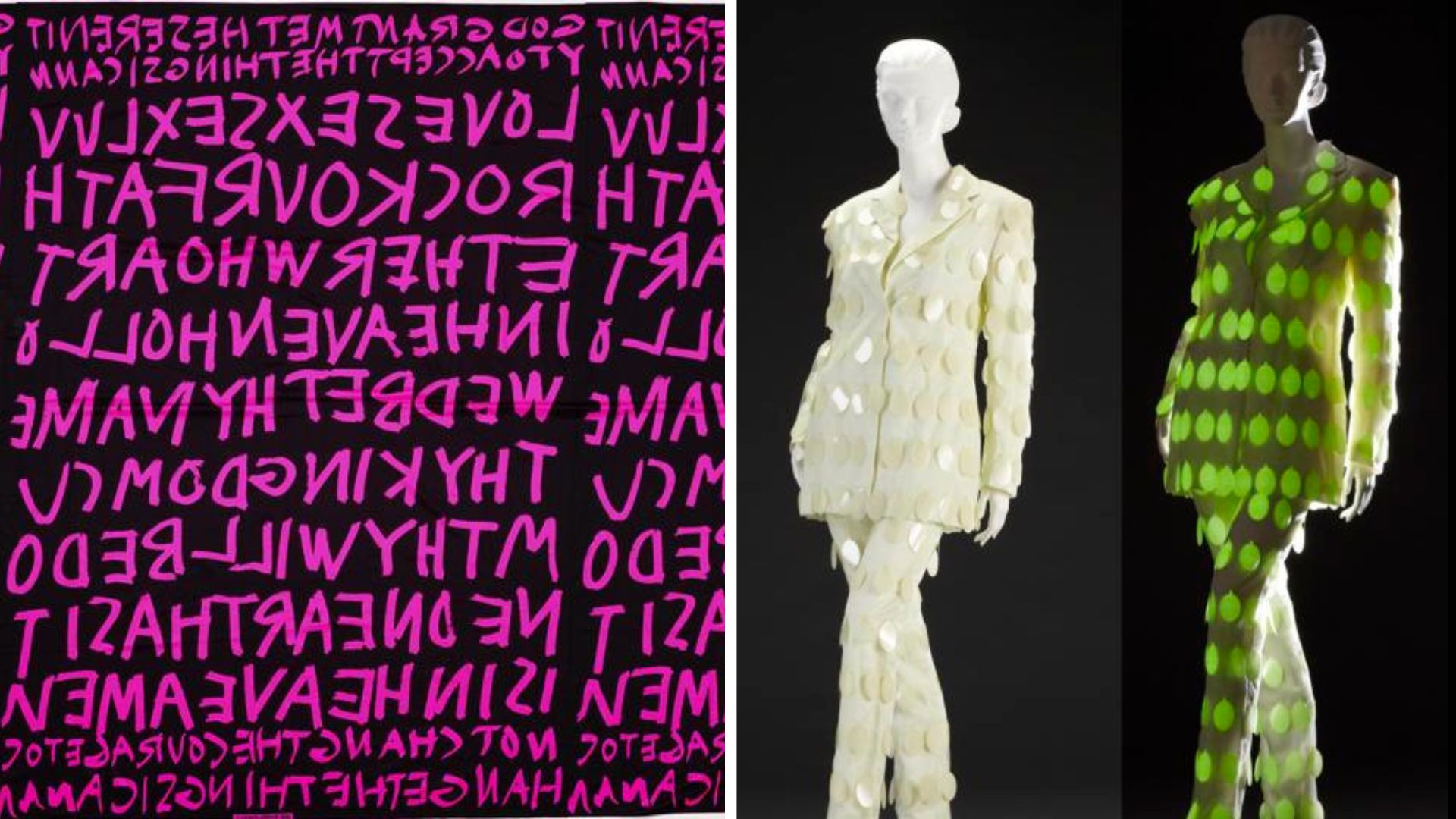
1980s neon pop art, glow-in-the-dark museum dresses, and midnight runway lights might seem unrelated, but they all share the same illuminating technology. Neither just reflects light, but creates it. Researchers presenting at the American Chemical Society (ACS) Fall 2026 meeting in McCormick Place have uncovered the hidden mechanisms that cause glow-in-the-dark pigments to fade. Fluorescent and phosphorescent pigments create glowing colors by absorbing and re-emitting light, rather than just bouncing visible light back. Typically, UV light has been blamed for fading colors, but now humidity control is recognized as vital. The findings could help preserve delicate art and drive the development of highly durable phosphorescent materials across fashion, infrastructure, and beyond. Degradation factors Artists favor bright, emissive colors like fluorescent and glow-in-the-dark pigments because they absorb light and re-emit it as a vivid glow, creating unique visual effects standard paints cannot replicate. But these materials naturally degrade over time, causing the colors to dull and diminishing the artwork’s intended visual impact. Building on the importance of emissive materials in both art and high-visibility safety applications, photochemist Sarah Schmidtke Sobeck and senior conservation scientist Gregory Smith focused on extending the lifespan of these pigments. The new research details how glow-in-the-dark phosphorescent materials age by analyzing their chemical composition and changing photophysics over time. The study examined lithopone, which is a inorganic white mineral pigment powder. It helped to track how long phosphorescent mixtures retain their charge and glow after light exposure. Most artwork succumbs to harsh light, but researchers found that high humidity can destroy phosphorescent pigments faster than ambient light exposure. In neon fluorescent art, such as Stephen Sprouse’s legendary 1980s fashion collections, the color dyes themselves remain intact. However, unseen additive molecules called optical brighteners break down rapidly, causing bright canvases to turn prematurely dark. Extending the glow-in-the-dark objects’ lifespan The researchers analyzed featured items from the Indianapolis Museum of Art at Newfields, including a high-contrast Day-Glo pink graffiti spandex swath (1984–1985), a pantsuit adorned with phosphorescent paillettes, and more such items. Understanding this molecular decay solves two problems at once. For museum conservators, it establishes strict temperature and humidity standards to preserve priceless modern art. For industrial chemical manufacturers, it gives an idea to design ultra-durable luminescent paints that won’t fade on airplane runways, highway signs, or emergency gear These findings highlight the unique challenges of modern art conservation, as restorers will need to match colors under both visible and ultraviolet light as the pigments change over time. Aside from the technical preservation insights, the researchers view their interdisciplinary work as a compelling model to demonstrate to students how chemistry connects with diverse fields like art history and materials science. The new study could help manufacturers create longer-lasting luminescent products, from preserved museum collections to safer airplane runway markings.The human eye detects fluorescent colors much faster than conventional shades because these pigments convert invisible ultraviolet light into added visible brightness. This exceptional visibility is important in various settings like powering emergency signs, safety gear, and airport runway markings.Get the latest in engineering, tech, space & science - delivered daily to your inbox.Mrigakshi is a science journalist who enjoys writing about space exploration, biology, and technological innovations. Her work has been featured in well-known publications including Nature India, Supercluster, The Weather Channel and Astronomy magazine. If you have pitches in mind, please do not hesitate to email her.
How studying fading pop art could lead to longer-lasting runway safety paints
Full Article
Original Source
Read the full article at Interestingengineering →KhanList aggregates and links to publicly available news content. We do not host full articles from third-party sources. Always verify important information with original sources.