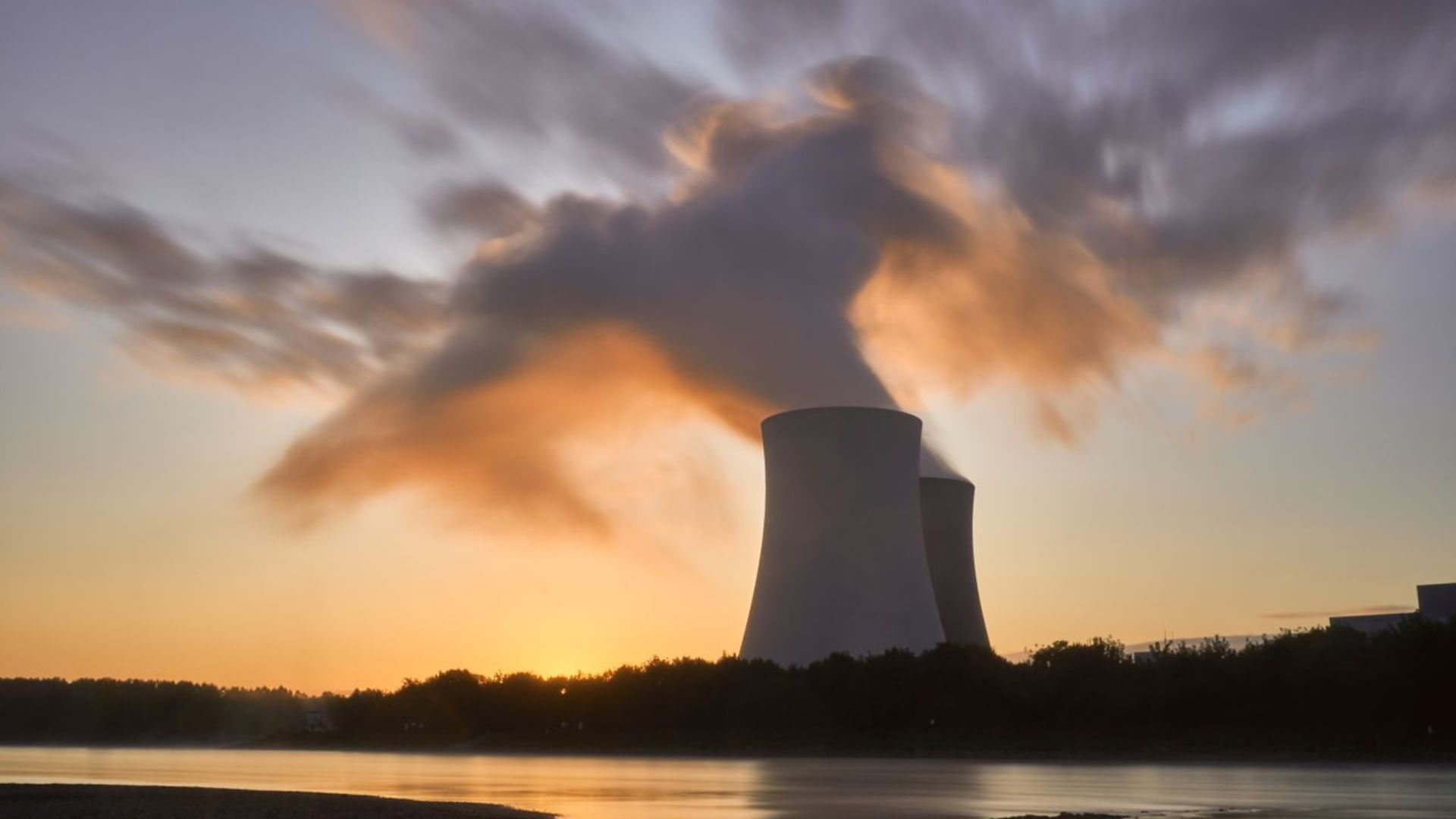
A nuclear power plant on the Danube river in Hungary is at risk of a total shutdown. The Hungarian Prime Minister has now declared that authorities will begin a controlled sinking of two barges to raise the water level so that the nuclear plant can continue to work at reduced capacity. This is a short term arrangement till a more permanent construction is completed in the coming weeks that will manage water flow in the receding river. The recent spate of heatwaves and increased summer temperatures has resulted in a drought situation in many parts of Europe. Major rivers like Rhine, Danube, Po and Loire in Europe are seeing record historic lows, where flow rates have reduced to a fraction of what they typically are and have affected functions from irrigation to transport, drinking water to power output. Extreme weather events occurring in Europe during summers are a result of human-induced climate change. While much of the conversation in recent weeks has been around whether homes and offices need to install air-conditioning systems, there are much bigger policy decisions that governments need to take, with regards to power generation through nuclear energy too. Forced shutdown of reactors It is not just Hungary that is facing these questions. Neighbouring Romania was forced to shutdown its Cernavoda nuclear power plant after the Danube recorded a 90-year low in water levels. Attempts at redirecting water were not sufficient to maintain the cooling needs of the reactor, forcing a shutdown. In France, the Gravelines nuclear reactor uses water from the North Sea via a dedicated channel system. While higher water temperatures were a concern during the heatwaves, a swarm of jellyfish blocked water inlets to the plant, forcing the shutdown of three reactors at once. At the Paks nuclear reactor, Hungary decided to reduce output to 25 percent in the wake of reduced water levels. Dumping thousands of cubic meters of rocks into the river to slow down the flow of water and increase water levels did not help the cause. Now, authorities are sinking two barges to increase water levels, while another intervention is executed in a few weeks time. Why Paks must run With four Soviet-built VVER-440 pressurized water reactors, the Paks nuclear plant in Hungary has a combined capacity of 2,000 megawatts. As the sole nuclear facility in the country, it is also responsible for up to 50 percent of the national electricity generation, making it a critical component in the energy mix. The nuclear power plant relies heavily on the water flow in the Danube for its cooling and historic low water levels have hit the facility hard. The government has already reduced electricity output from the plant in response to low water levels but cannot afford to shut down the facility completely either. In the long term, the government plans to build a riverbed sill which is much like a submerged dam at the bottom of the river channel to keep a steady flow of water into the nuclear plant. The plan announced recently will take a few weeks to complete but during this time, the nuclear power plant still need water to continue operating. This is where the sinking of two 260-feet (80 meter) long, barges will be used to temporarily increase the water levels near the nuclear plant. The controlled sinking will raise water levels in the river sufficiently enough to allow the turbines in the nuclear power plant to continue working. Once the riverbed sill is completed in a few weeks time, the water level in the river could increase by as much as three feet (one meter), media reports said. Get the latest in engineering, tech, space & science - delivered daily to your inbox.Ameya is a science writer based in Hyderabad, India. A Molecular Biologist at heart, he traded the micropipette to write about science during the pandemic and does not want to go back. He likes to write about genetics, microbes, technology, and public policy.
How sinking 260-feet barges could keep a 2,000 MW nuclear plant operational
Full Article
Original Source
Read the full article at Interestingengineering →KhanList aggregates and links to publicly available news content. We do not host full articles from third-party sources. Always verify important information with original sources.