
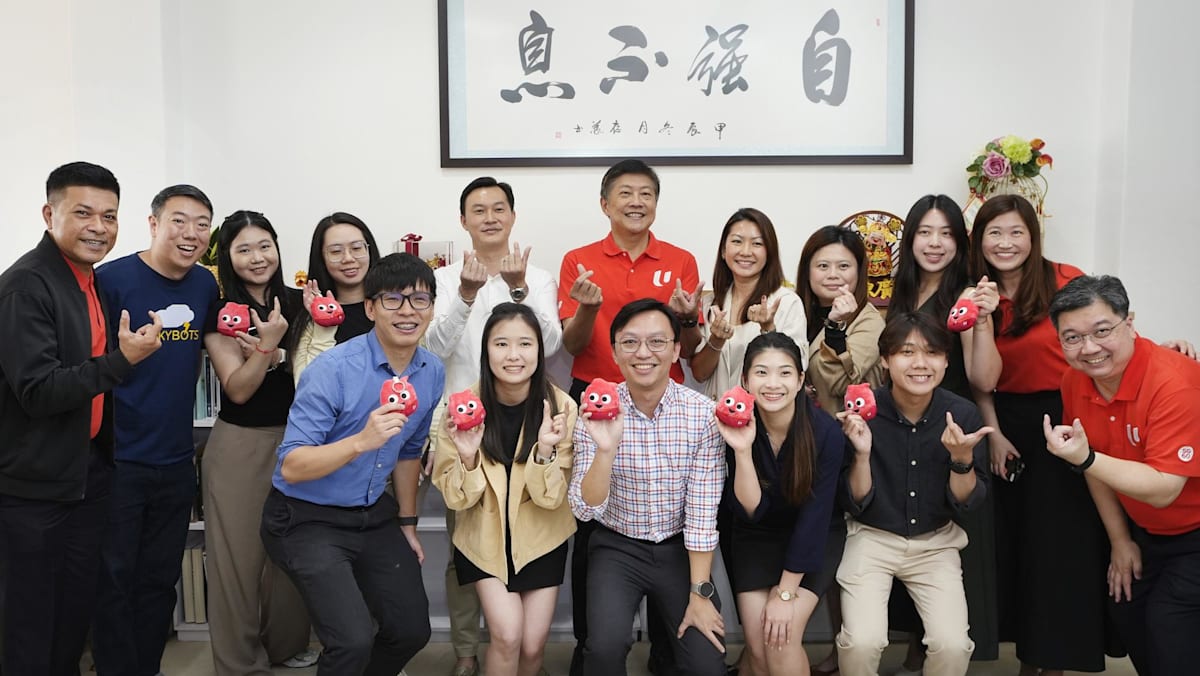
At audit firm Sin Assurance Pac, auditors now spend less time combing through journal entries and more time on items that need closer scrutiny. By combining automation and artificial intelligence (AI) with job redesign and structured training, the firm said it had halved the time its professionals spent on routine work.Previously, auditors also spent substantial time preparing audit documentation and seeking technical guidance from managers. Now, automated testing flags higher-risk items for review, while an AI chatbot answers common technical questions. This allows managers to focus more on risk assessment, team development and audit quality oversight.Some employees were initially sceptical. Would the new tools genuinely reduce effort and improve audit quality – or add another process? Hands-on training, pilot runs and practical use cases helped them see how the technology could support their day-to-day work.Employees were trained to use the new tools, apply AI responsibly, validate AI-generated outputs and interpret automated test results. These capabilities helped prepare them for redesigned roles involving more analysis and risk assessment.Some employees received wage increases as they developed new skills and moved into redesigned roles.CHANGING THE WORK, NOT JUST THE TOOLSThe pressure to change had been building as Sin Assurance grew. Rising regulatory expectations and a competitive talent market made it harder to maintain audit quality as the firm scaled. Onboarding and developing junior auditors also took up managers’ and partners’ time.Its general manager, Ms Kath Lye, summed up the shift: “To scale sustainably, we needed to redesign work so that our staff could focus more on risk assessment, professional judgment and client advisory work while leveraging technology to handle routine processes.”The firm began its transformation last year after technology partner Skybots connected Sin Assurance with the National Trades Union Congress’ (NTUC) Employment and Employability Institute (e2i). Through the Company Training Committee (CTC) Grant, the firm introduced new technology alongside changes to jobs and training.Sin Assurance introduced three main tools: an automation system for journal entry testing, an AI chatbot trained on financial reporting standards and audit methodologies, and a dashboard based on the Institute of Singapore Chartered Accountants’ quality management standards. One of the firm’s new tools automates journal entry testing, reducing manual checks and flagging exceptions for auditors to review. (Photo: Sin Assurance) Together, the tools enabled broader testing coverage and gave managers real-time visibility of quality risks and monitoring activity.WHAT CAN HELP COMPANIES GET STARTED Sin Assurance’s experience shows some of the potential gains from AI adoption. But many businesses have yet to adopt the technology.A KPMG survey found that 81 per cent of Asia-Pacific businesses reported benefits from AI, including productivity gains, cost savings, revenue growth and better decision-making. Yet in Singapore, 71.5 per cent of private-sector companies with at least 10 employees had not adopted AI, according to the Ministry of Manpower.Mr Gary Goh, deputy CEO of e2i, said three practical barriers often stood in the way: uncertainty about where to start, implementation costs and whether employees had the skills to adapt as jobs changed. “Transformation should deliver better outcomes for both businesses and workers,” he added. “As companies become more productive, workers should also benefit through better wages, clearer opportunities for career progression and the ability to remain relevant as jobs evolve.”MAKING THE SHIFT POSSIBLE For Sin Assurance, the process began with forming a CTC comprising management and employee representatives, followed by a road map linking technology adoption to job redesign and workforce development. This covered digitalised audit processes, stronger quality management and new digital capabilities for employees.Administered by e2i, the CTC Grant provides funding of up to 70 per cent of qualifying project costs. Sin Assurance paired automation with job redesign and training to help employees build new skills and take on more complex work. (Photo: Sin Assurance) The grant also requires companies to commit to worker outcomes such as wage increases, career development plans or skills allowances. Ms Lye said e2i’s guidance helped Sin Assurance look beyond buying technology and consider how jobs and training should change alongside it. The firm is also interested in recruiting career switchers and is exploring an internship for a learner from the next SkillsFuture Career Transition Programme intake. For companies unsure where to begin, Ms Lye advised starting with the problem they wanted to solve. “Start with a clear business challenge rather than technology for technology’s sake,” she said.Thinking about adopting AI or redesigning work? Find out how e2i and the NTUC CTC Grant can support your business transformation and workforce development.
How one audit firm halved the time spent on repetitive tasks
Full Article
Original Source
Read the full article at Channelnewsasia →KhanList aggregates and links to publicly available news content. We do not host full articles from third-party sources. Always verify important information with original sources.