
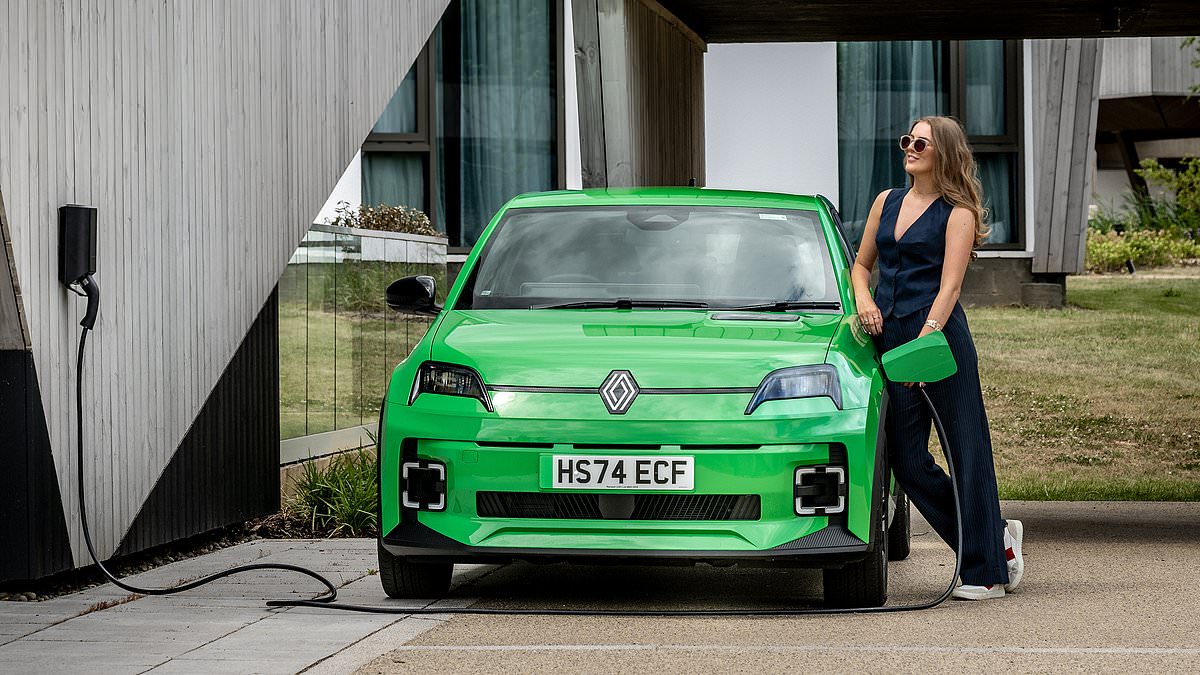
A major perk of owning an EV is the money saved on charging if you can do it at home.However, for many EV owners, this perk is about to become more expensive. That's because charging costs for those on a standard energy tariff will rise after Ofgem announced an increase to the price cap.The watchdog has confirmed the energy price cap will rise 26 per cent in January, which means EV owners not on an EV-specific energy tariff will see the cost of a full home charge increase by as much as £9.The electricity unit rate for customers on standard variable tariffs will rise from 26.32p to 32.69p per kWh between January 1 and March 31, 2027.The cost of charging a typical 60kWh EV will rise by nearly £4, while owners of larger-battery models will see costs increase by almost £9, according to new analysis by Auto Express. The study compares the cost of a full charge across a range of electric cars using their usable battery capacities and the new electricity rate.Price increases will be significantly lower for drivers using specialist EV tariffs, which offer cheaper off-peak electricity in return for higher peak-time rates, with some as low as 6.5p per kWh.It means if you're not on a specialist tariff charging it obscure hours, it is prime time to find one as the gap widens. So, how much more will it cost to charge your electric car from January? Here's how much charging costs will increase for some popular models. The BYD Dolphin Surf costs just under £2 more to charge after the price cap rise than before - the smallest increase in cost on this listBYD Dolphin Surf Active (30kWh)Total cost per charge in 2027: £9.81Extra cost per charge: £1.91Off-peak EV tariff: £3Charging a BYD Dolphin Surf costs £7.90 between October and December 2026 (at 26.32p/kWh), but this will rise to £9.81 (at 32.69p/kWh), the smallest increase of any EV on this list.From next year, those on a typical off-peak EV tariff of 10p/kWh will pay around £3 for a full charge of the Dolphin Surf. The Renault 5 costs £3.31 more to charge after the price cap rise than beforeRenault 5 Comfort Range (52kWh)Total cost per charge in 2027: £17Extra cost per charge: £3.31Off-peak EV tariff: £5.20Between October and December, the popular Renault 5 costs owners £13.69 for a full charge on a standard variable tariff. From January, that will rise to £17.Drivers using an off-peak EV tariff will pay only £5.20, almost £12 less per charge than someone on a standard tariff. The Telsa Model Y costs £3.82 more to charge after the price cap rise than beforeTesla Model Y RWD (60kWh)Total cost per charge in 2027: £19.61Extra cost per charge: £3.82Off-peak EV tariff: £6The Tesla Model Y RWD will cost owners on a standard variable tariff £19.61 for a full charge from January. This is up from £15.79 in the final quarter of 2026.However, owners using a dedicated off-peak EV tariff will still pay only £6 for a full charge, giving them 309 miles of range for little more than a fiver. The Skoda Enyaq costs just over £5 more to charge after the price cap rise than beforeSkoda Enyaq 85 (79kWh)Total cost per charge in 2027: £25.83Extra cost per charge: £5.04Off-peak EV tariff: £7.90From January, owners of a Skoda Enyaq 85 will pay £25.83 for a full charge on a standard variable tariff, up from £20.79.Using an EV tariff during off-peak hours reduces that cost substantially to just £7.90. The Mercedes CLA costs just under £5.50 more to charge after the price cap rise than beforeMercedes-Benz CLA 250+Total cost per charge in 2027: £27.79Extra cost per charge: £5.42Off-peak EV tariff: £8.50The new Mercedes-Benz CLA will see a sizeable increase in the cost of a full charge when the standard variable tariff rises. The difference is more than £5 per charge, which can soon add up over time.However, drivers looking to cut costs would pay just £8.50 on an off-peak EV tariff, compared with £27.79 on a standard tariff. The BMW iX5 costs just under £9 more to charge after the price cap rise than before - the largest increase in this listBMW iX5 60 xDrive (141kWh)Total cost per charge in 2027: £46.09Extra cost per charge: £8.98Off-peak EV tariff: £14.10The most expensive EV to charge on this list is the BMW iX5 60 xDrive, which is unsurprising given the large electric SUV's huge 141kWh battery.The new EV would still have been expensive to charge even if the energy price cap hadn't risen, costing £37.11 on the current standard variable tariff. However, from January, a full charge will cost £46.09, almost £9 more.Drivers on an off-peak EV tariff will be able to charge the SUV for just £14.10 on average. When the model arrives, that will deliver up to 528 miles of range, enough to drive from London to Inverness on a single charge. Despite rising energy prices if you can charge your car at home it is considerably cheaper to top up than filling a petrol car with fuelIt's still cheaper to charge your EV at home than fill up a petrol car... for nowDespite the rise in electricity prices, driving an electric car remains considerably cheaper than running a comparable petrol model, particularly when using off-peak charging.Using the projected January energy rates, a Mercedes-Benz CLA 250+ AMG Line achieving its WLTP range of 478 miles will cost around 6p per mile at the price cap, or just 2p per mile on an off-peak tariff.An equivalent petrol CLA 200 returning its official 56.5mpg would cost around 13p per mile, based on a petrol price of 160.3p per litre.A full charge of the CLA 250+ EV will cost either £27.79 on a standard tariff or £8.50 on an off-peak tariff, compared with the £68.81 required to fill the CLA 200's 43-litre fuel tank.Tom Jervis, ofAuto Express, said: 'The rise in the energy price cap will undoubtedly affect low-income households the most. However, EV drivers are also set to feel the pinch.'Most EV drivers can expect to pay at least a few pounds more per charge if they are on standard tariffs, while long-range EVs with the largest batteries could cost as much as £9 more to charge.'Thankfully, drivers can make use of EV-specific tariffs which, while carrying higher peak-time electricity rates, can charge a car for as little as 6.5p per kilowatt-hour.'
How much more will it cost to charge your electric car? EV owners face £9 price rise from January
Full Article
Original Source
Read the full article at Dailymail →KhanList aggregates and links to publicly available news content. We do not host full articles from third-party sources. Always verify important information with original sources.